We're loading the full news article for you. This includes the article content, images, author information, and related articles.
KRA clarifies that your "gig" income is not tax-free, issuing a strict guide on how to declare extra earnings alongside your salary.
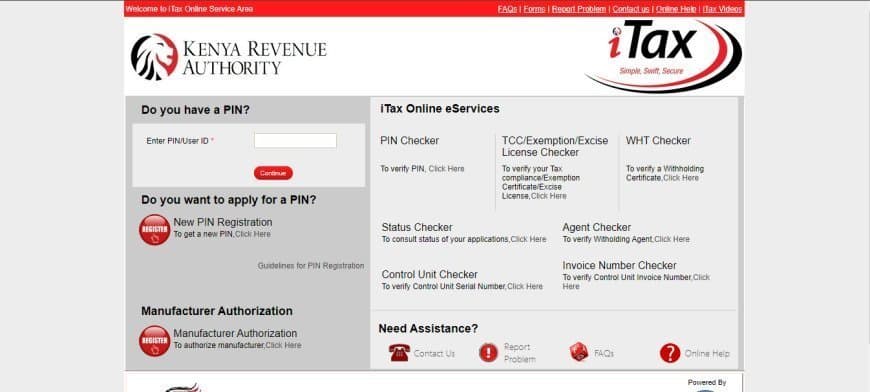
The days of flying under the radar are over for Kenya’s gig economy workers. As the filing window for the 2025 income tax returns opens, the Kenya Revenue Authority (KRA) has issued a stern reminder: your "side hustle" is not tax-free. In a comprehensive guide released this week, the taxman clarified that all additional income—whether from online writing, consultancy, or selling wares on Instagram—must be declared alongside your formal employment salary.
Many Kenyans operate under the misconception that since their employer deducts PAYE, their tax obligations are settled. KRA’s new advisory dismantles this myth. "You must declare both your employment income and all additional income earned during the year in your annual return," the authority stated. This includes the thousands of Kenyans who moonlight as Uber drivers, digital content creators, or consultants after their 9-to-5 jobs. The directive is part of a wider push to expand the tax base and capture the elusive informal sector.
The mechanism is simple but strict. If you have a KRA PIN, you are a single taxpayer entity, regardless of how many income streams you have. When filing on iTax, you are required to aggregate your employment income (from your P9 form) with your business or freelance income. The total sum determines your final tax liability. This means that a "side hustle" could push you into a higher tax bracket, resulting in a top-up tax that must be paid by the June 30th deadline.
For those running full-time businesses, the requirement is even more rigorous. You must maintain books of accounts, including an income statement and records of allowable expenses. "Have records of business income and allowable expenses for the year," KRA advises. This documentation is crucial for validating your declarations, especially with the new "Validation of Income and Expenses" feature on iTax designed to flag discrepancies.
With the KRA enhancing its data-matching capabilities, hiding that M-Pesa revenue is becoming increasingly risky. The message to the Kenyan "hustler" is clear: legitimize your side business, file your returns, and pay your share. The era of the invisible income is coming to an end.
Keep the conversation in one place—threads here stay linked to the story and in the forums.
Sign in to start a discussion
Start a conversation about this story and keep it linked here.
Other hot threads
E-sports and Gaming Community in Kenya
Active 9 months ago
The Role of Technology in Modern Agriculture (AgriTech)
Active 9 months ago
Popular Recreational Activities Across Counties
Active 9 months ago
Investing in Youth Sports Development Programs
Active 9 months ago