We're loading the full news article for you. This includes the article content, images, author information, and related articles.
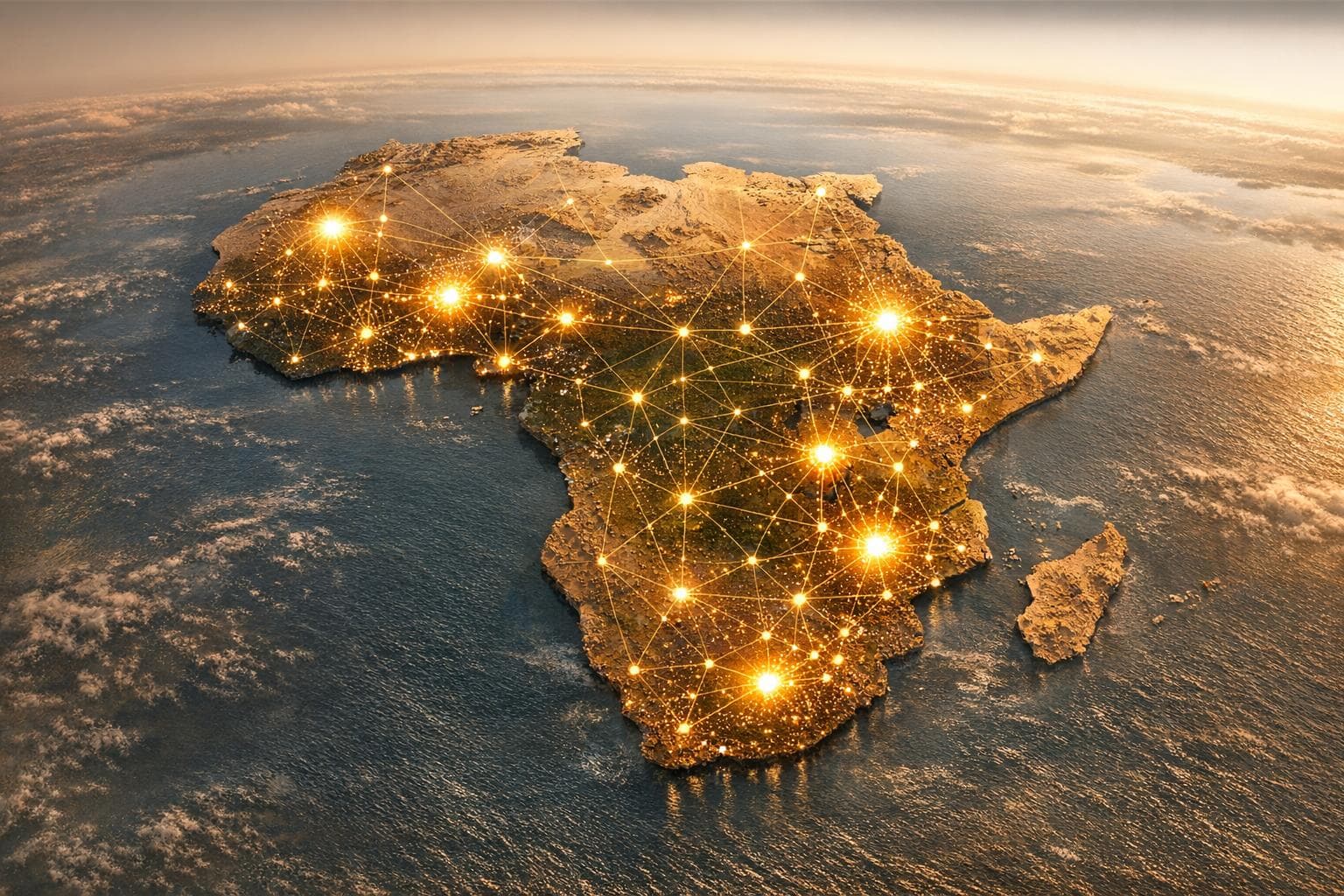
With the activation of the 2Africa cable and a surge in local data centers, Kenya’s digital economy has shifted from chasing connectivity to mastering latency. For businesses, the difference between profit and loss is now measured in the blink of an eye.
In a server room in Westlands, a trading algorithm executes a buy order for Safaricom shares. The transaction completes in 12 milliseconds—faster than the human brain can process a visual image. Three years ago, that same trade might have taken 200 milliseconds, a delay that, in today’s hyper-competitive Nairobi Securities Exchange (NSE), would mean missing the price point entirely.
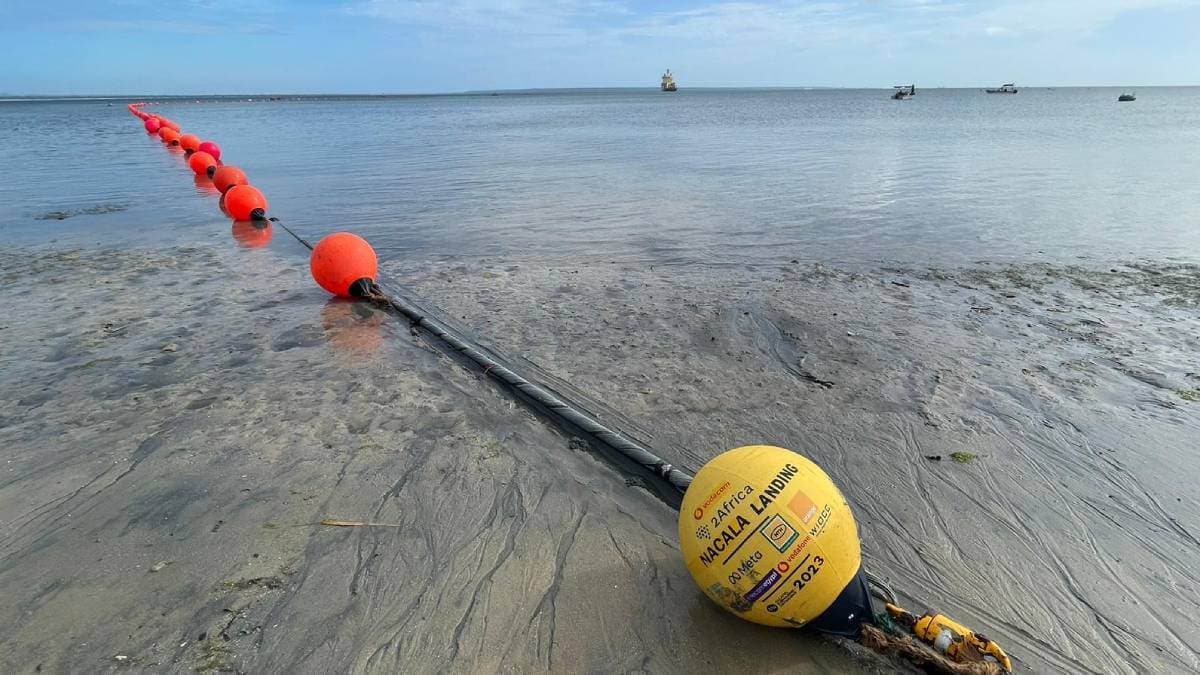
This is the new reality of Kenya’s digital economy. As 2025 draws to a close, the conversation has moved beyond simple internet access to the brutal economics of speed. With the full activation of the 2Africa subsea cable and a proliferation of edge data centers, Nairobi has cemented its status as East Africa’s digital engine room. For the Kenyan CEO, the gamer in Roysambu, and the fintech developer, speed is no longer a luxury—it is the primary currency.
The driving force behind this shift is "latency-first procurement," a trend noted by industry leaders like Adil El Youssefi. Businesses are no longer just buying bandwidth; they are buying proximity. The math is simple but ruthless: a 100-millisecond delay in loading a checkout page can drop e-commerce conversion rates by 1%. In an economy projected to move billions through digital channels, those lost percentages add up to a fortune.
"We used to celebrate just being online," says Sarah Mwangi, a cloud infrastructure analyst at a Nairobi-based tech consultancy. "Now, if your server is in London, you are already behind. The data has to live here, in Nairobi, or you lose the customer to someone whose data does."
This demand has fueled a construction boom. Nairobi now hosts 19 major data centers, with players like Africa Data Centres and iXAfrica expanding capacity to meet the needs of global giants. The arrival of the 2Africa cable—the longest subsea cable in the world—has effectively plugged Kenya directly into the global backbone, slashing the time it takes for data to travel between continents.
For the average Kenyan, this infrastructure overhaul is invisible, but its impact is felt in the wallet. The NSE’s recent reintegration into the East African Capital Markets Infrastructure (CMI) platform allows for seamless cross-border trading. A trader in Nairobi can now instantly buy stocks in Rwanda or Uganda, a feat made possible only by robust, low-latency connections.
"It’s about liquidity," explains James Kinyanjui, a forex trader. "When I can execute a trade with the same speed as a guy in Johannesburg, the playing field levels. We are seeing volumes increase because the friction of 'waiting' is gone."
The ripple effects extend to the creative economy. For Kenya’s burgeoning e-sports scene and streaming content creators, the drop in "ping" (latency) means competitive viability on a global stage. A gamer in Nairobi can now compete with a player in Dubai without the handicap of lag, opening doors to international tournaments and sponsorships.
While Nairobi enjoys the fiber-optic feast, the speed revolution is also bleeding into the counties. The aggressive expansion of Starlink has forced local ISPs to step up their game. With latency dropping to 26ms even in remote areas, businesses outside the capital—from tea farms in Kericho to logistics hubs in Eldoret—are running real-time ERP systems that were previously impossible.
However, challenges remain. Power reliability continues to be the Achilles' heel of this high-speed future. While data centers boast 99.99% uptime thanks to massive backup generators, the last mile to the consumer is still vulnerable to the vagaries of the national grid.
As we head into 2026, the message is clear: the infrastructure is built, the cables are lit, and the servers are humming. The winners of the next decade will not be those who just have data, but those who can move it the fastest. As Mwangi puts it, "In the digital age, slow is the same as broken."
Keep the conversation in one place—threads here stay linked to the story and in the forums.
Sign in to start a discussion
Start a conversation about this story and keep it linked here.
Other hot threads
E-sports and Gaming Community in Kenya
Active 9 months ago
The Role of Technology in Modern Agriculture (AgriTech)
Active 9 months ago
Popular Recreational Activities Across Counties
Active 9 months ago
Investing in Youth Sports Development Programs
Active 9 months ago