We're loading the full news article for you. This includes the article content, images, author information, and related articles.
A global decline in organ donor consent rates, driven by family refusals and mistrust, is leaving thousands like Matthew Smith in a life-or-death waiting game.
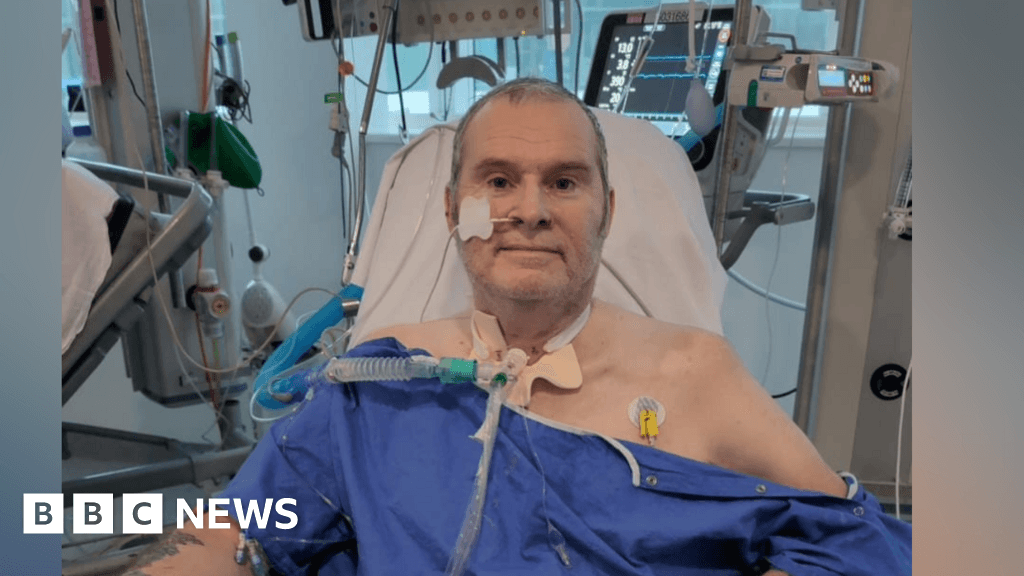
For ten agonising months, Matthew Smith lived by the phone, waiting for a ring that would decide whether he lived or died. His story, ending in a successful double lung transplant, is a rare flicker of hope in a darkening landscape. Across the globe, and increasingly in nations like the UK, the gap between the desperate need for organs and the number of donors is widening into a chasm of tragedy.
The statistics are grim. While medical science has advanced to perform miracles, the raw material—human generosity—is stalling. In the UK alone, over 8,000 people are currently on the waiting list, a record high. The paradox is cruel: despite "opt-out" systems designed to assume consent, families are increasingly blocking donations at the bedside. The consent rate has stagnated, leaving hundreds to die in the "silent waiting room" of dialysis wards and intensive care units.
Why are we saying no? The reasons are complex, rooted in fear, misinformation, and a lack of trust in healthcare systems. Snippets of doubt—fears that doctors won’t fight as hard to save a registered donor, or cultural taboos around bodily integrity—are proving stronger than legislation. The result is a systemic failure where the wishes of the deceased are often overridden by the grief and confusion of the living.
The shortage is further exacerbated by the changing nature of death itself. With fewer fatal road accidents and better trauma care, the pool of "ideal" donors (brain-dead but physically supported) is shrinking. This forces surgeons to rely on "Donation after Circulatory Death" (DCD), which yields fewer viable organs and carries higher risks. It is a biological supply chain crisis that no amount of funding can easily fix.
The organ shortage is not a medical failure; it is a societal one. It requires a shift in how we view death—not as a final shut-down, but as a potential for legacy. Until we normalise the conversation about donation at the dinner table, people like Matthew Smith will continue to wake up every morning, checking their phones, hoping for a miracle that fewer and fewer of us are willing to give.
Keep the conversation in one place—threads here stay linked to the story and in the forums.
Sign in to start a discussion
Start a conversation about this story and keep it linked here.
Other hot threads
E-sports and Gaming Community in Kenya
Active 9 months ago
The Role of Technology in Modern Agriculture (AgriTech)
Active 9 months ago
Popular Recreational Activities Across Counties
Active 9 months ago
Investing in Youth Sports Development Programs
Active 9 months ago