We're loading the full news article for you. This includes the article content, images, author information, and related articles.
**Dr. John Mugo’s mother never smoked, yet she died with the lungs of a two-decade smoker. Her story reveals a national crisis hidden in plain sight: the deadly toll of household air pollution from cooking fires.**
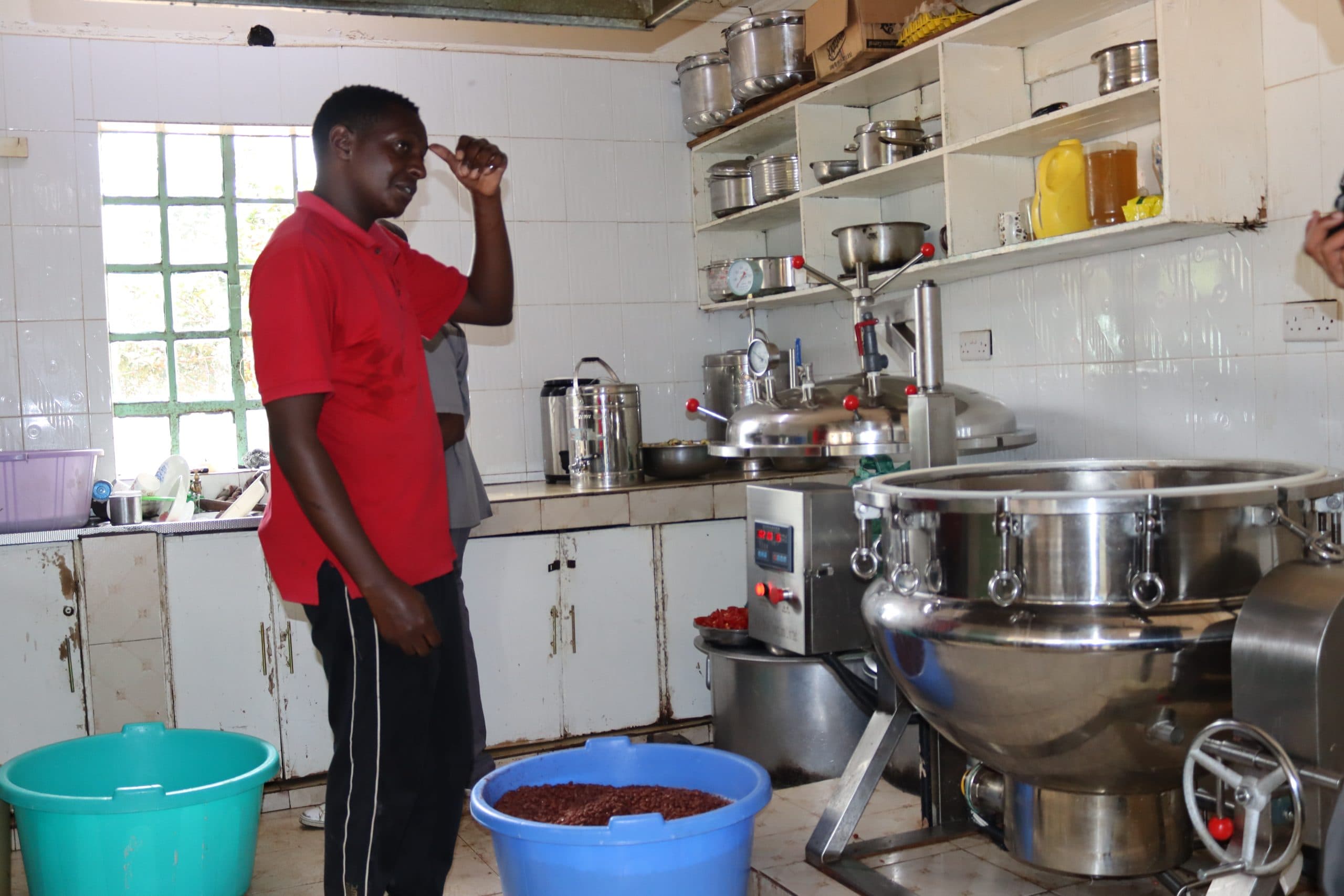
She was a devout Catholic who never touched a cigarette in her 78 years. Yet, when Dr. John Mugo’s mother passed away, an X-ray revealed lungs ravaged as if by a 20-year smoking habit. “She died as a smoker when she had never smoked,” Dr. Mugo, executive director of the Zizi Afrique Foundation, recounted at a recent forum in Nairobi. His mother’s death from an asthma attack five years ago was a direct consequence of a lifetime spent cooking over an open wood fire, a daily reality for millions of Kenyan women.
This personal tragedy spotlights a silent, nationwide energy crisis. Household air pollution (HAP) from burning solid fuels like firewood, charcoal, and animal dung is now one of Kenya's leading causes of premature death, claiming over 26,300 lives annually. This figure, which surpasses the combined mortality from malaria and HIV, has tragically risen by 4,000 in just four years, according to the Clean Air Africa research programme.
The smoke inhaled in millions of kitchens is a toxic cocktail of particulate matter (PM2.5), carbon monoxide, and other carcinogens. These invisible killers lodge deep in the lungs and bloodstream, causing a cascade of non-communicable diseases including stroke, heart disease, cancers, and chronic obstructive pulmonary disease (COPD). The Kenya Medical Research Institute (KEMRI) has explicitly linked this prolonged exposure to the rise in respiratory illnesses, which have been the most prevalent diseases in the country for the last six years.
Women and children are disproportionately affected. They spend the most time in poorly ventilated kitchens where pollution levels can be ten times higher than the World Health Organization's safety limits. More than half of all pneumonia-related deaths among children under five are attributed to soot from household fires.
The reliance on biomass fuels is deeply entrenched, with firewood and charcoal accounting for over two-thirds of all household cooking fuel. For many, like 68-year-old Josephine Butasi from Bungoma County who has cooked with firewood for 41 years, the choice is dictated by economics. “I have been suffering from persistent cough and chest pain... but I don’t have an alternative,” she noted.
Even when cleaner alternatives like Liquefied Petroleum Gas (LPG) are available, cost remains a significant barrier. A recent report from the National Gender and Equality Commission found that 72% of households who had tried green energy sources switched back to traditional fuels, citing unaffordability and unavailability as primary reasons. Despite government tax incentives, the average price of a 13kg LPG cylinder stood at KES 3,158 in August 2025, a 10-month high that keeps it out of reach for many.
The government has acknowledged the crisis, launching the Kenya National Cooking Transition Strategy with the ambitious goal of achieving universal access to clean cooking solutions by 2028. The strategy aims to transform the sector by promoting technologies like improved cookstoves, biogas, and solar power, requiring an estimated KES 65 billion ($435 million) over five years.
Grassroots organizations are also stepping in. GROOTS Kenya, a women-led network, is mobilizing its members to champion safer cooking methods. However, overcoming decades of tradition and the harsh economic realities that force families to choose between their health and their next meal remains a monumental challenge.
For Dr. Mugo, the regret is personal. He had bought his mother a gas cooker, but the transition never fully took hold. His story is a powerful reminder that solving this crisis requires more than just technology; it demands a systemic shift in policy, infrastructure, and economic empowerment to ensure no more lives are silently lost in the heart of the Kenyan home.
Keep the conversation in one place—threads here stay linked to the story and in the forums.
Sign in to start a discussion
Start a conversation about this story and keep it linked here.
Other hot threads
E-sports and Gaming Community in Kenya
Active 9 months ago
The Role of Technology in Modern Agriculture (AgriTech)
Active 9 months ago
Popular Recreational Activities Across Counties
Active 9 months ago
Investing in Youth Sports Development Programs
Active 9 months ago