We're loading the full news article for you. This includes the article content, images, author information, and related articles.
New data reveals a stunning disparity: Factories west of the Rift Valley are spending 31% more to process tea than their Mt. Kenya counterparts, eating into farmers' bonuses and fueling regional anger.
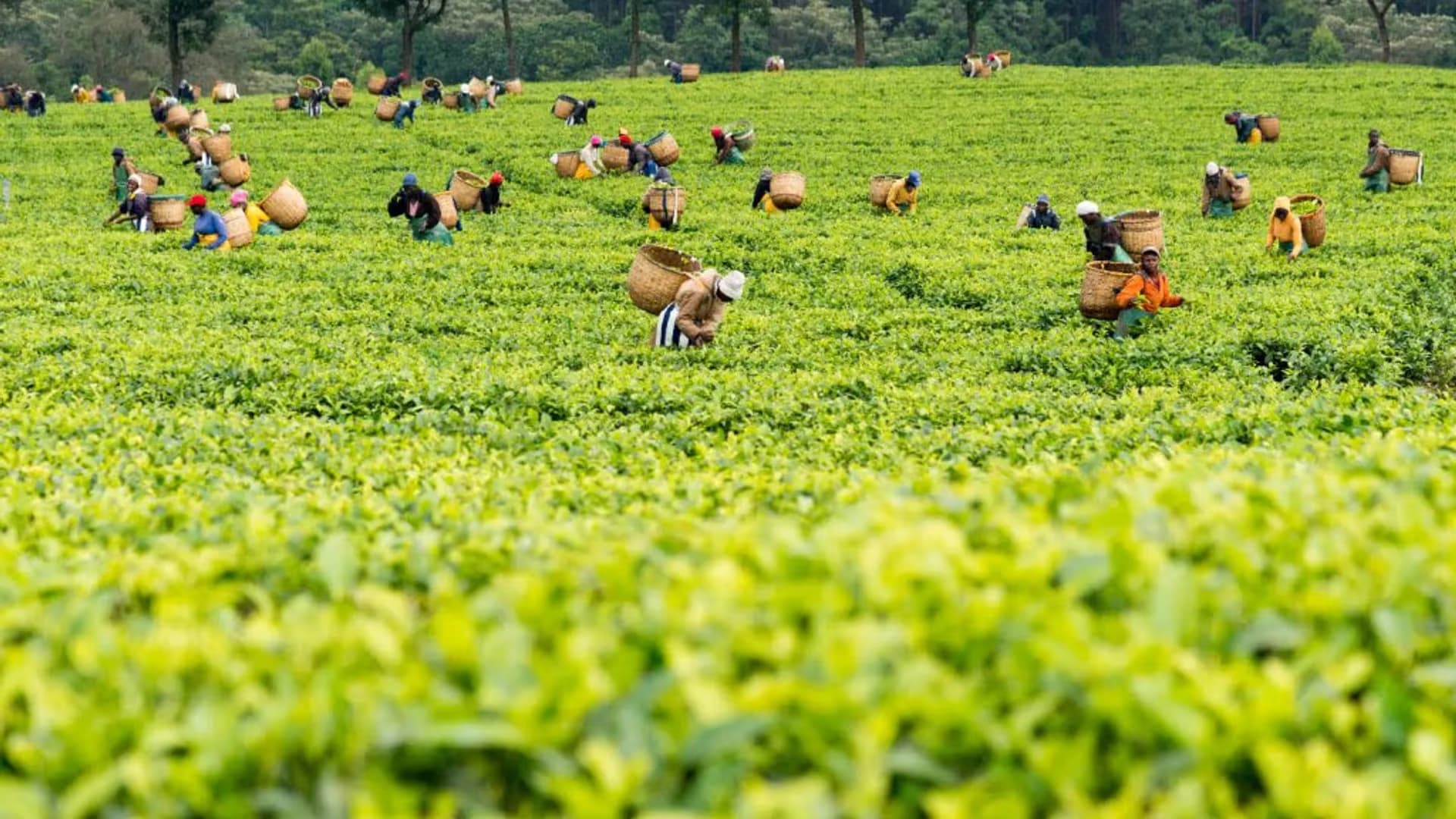
For a tea farmer in Kericho or Kisii, the morning dew feels just as cold as it does in Nyeri. The leaves are just as green. But when the factory gates close, the economics shift drastically. A startling new report has laid bare a painful reality: it costs an extra Sh32 to process every kilogram of tea in the West of Rift compared to the East, a disparity that is literally skimming the cream off the farmers' earnings.
This isn't just a rounding error. It is a systemic hemorrhage. According to the Tea Board of Kenya (TBK), the cost of production in western factories has ballooned to Sh134.35 per kilogram of made tea. In stark contrast, factories in the Mt. Kenya region (East of Rift) are operating at a leaner Sh102.27. This Sh32.08 gap is the difference between a family paying school fees on time and sinking deeper into debt.
Why is the West paying such a heavy premium? The TBK report, presented to the Departmental Committee on Agriculture, points to a toxic cocktail of archaic technology and bloated overheads. While many eastern factories have modernized, 70 percent of the Kenya Tea Development Agency (KTDA) factories in the West are reportedly running on obsolete equipment that guzzles power and slows throughput.
TBK Chief Executive Officer Willy Mutai did not mince words. He attributed the disparity to:
“It is apparent that the cost of production in the West of Rift factories is 31 percent higher,” Mutai noted. “This signifies the pain for farmers who have to shoulder the higher cost of production.”
The impact of this inefficiency is felt most acutely when the "bonus" slip arrives. The production cost is deducted directly from the tea's sale price before the farmer sees a cent. Consequently, the earnings gap is widening into a chasm.
Data shows that while farmers in the East took home an average of Sh69 per kilogram of green leaf, their counterparts in the West were left with a meager Sh38. In a sector where margins are already tight, a 45 percent earnings gap is catastrophic.
“We are farming in the same country, selling to the same global market, yet we are paid as if we are in a different league,” said a factory director from Nyamira who requested anonymity. “Our machines are old, yes, but we also feel there is a lack of political will to fix the roads and infrastructure that drive our costs up.”
The Ministry of Agriculture has acknowledged the crisis, unveiling a reform strategy aimed at doubling farmers' earnings to Sh100 per kilogram by 2027. The plan includes strict enforcement of quality standards and a push for factory modernization. However, for the farmer in Bomet watching their earnings evaporate into electricity bills and repair costs today, 2027 feels a lifetime away.
The disparity also raises uncomfortable questions about the management of KTDA-run factories in the West (Zones 8 to 12). With the removal of reserve prices at the auction leaving the West more vulnerable to market fluctuations, the need for internal efficiency has never been more critical.
Until the factories in the West can trim the fat and upgrade their gears, the Sh32 tax will remain—a silent levy on every cup brewed from the Rift's green gold.
Keep the conversation in one place—threads here stay linked to the story and in the forums.
Sign in to start a discussion
Start a conversation about this story and keep it linked here.
Other hot threads
E-sports and Gaming Community in Kenya
Active 9 months ago
The Role of Technology in Modern Agriculture (AgriTech)
Active 9 months ago
Popular Recreational Activities Across Counties
Active 9 months ago
Investing in Youth Sports Development Programs
Active 9 months ago