We're loading the full news article for you. This includes the article content, images, author information, and related articles.
A new IEA report reveals a Sh116 billion funding gap in Kenya’s Social Health Authority, driving patients to expensive private hospitals and leaving the healthcare system on the brink of collapse.
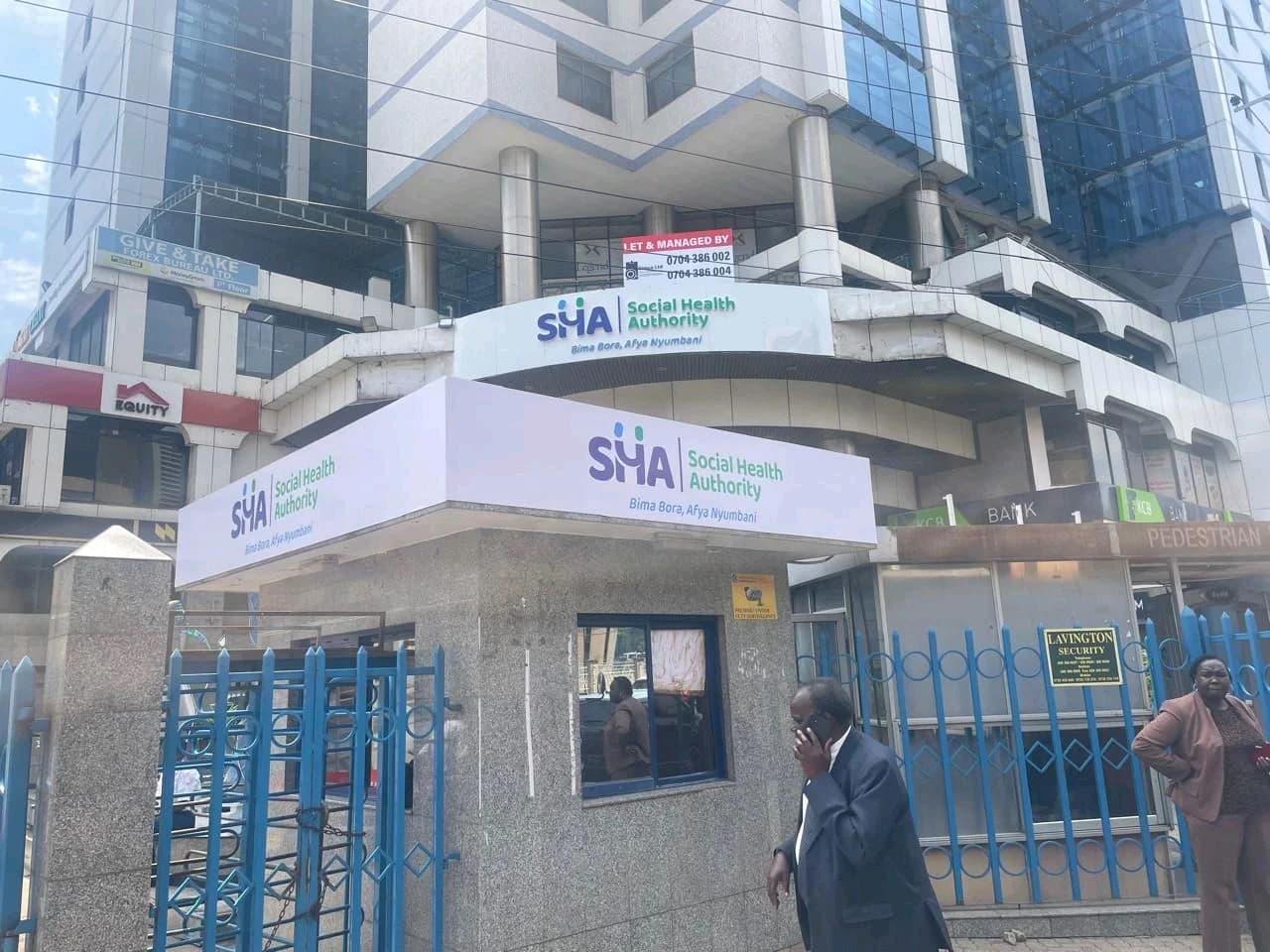
Kenya’s healthcare system is haemorrhaging. A damning new report by the Institute of Economic Affairs (IEA) has revealed a staggering Sh116 billion funding shortfall within the Social Health Authority (SHA), a gap that is effectively dismantling the country’s promise of universal health coverage. The report exposes a system in "financial ICU," where low compliance, rampant fraud, and ghost debts are forcing sick Kenyans to pay cash or die trying.
The findings are a devastating indictment of the transition from NHIF to SHA. IEA Programme Coordinator John Mutua laid bare the statistics: only 18% of the targeted population is compliant with contributions. This massive revenue deficit means the SHA cannot honor its obligations. The result? A "bypass" crisis where patients are ignoring local Primary Healthcare (PHC) clinics—which are broke and under-resourced—and flooding Level 4 and 5 hospitals, overwhelming the referral system and locking out critical cases.
"People who are seeking services from private health facilities are being asked to pay," Mutua confirmed. The report details how private hospitals, owed billions in unpaid claims, have quietly instituted "cash-only" policies for SHA patients. This is a direct violation of the scheme’s premise, but for facilities facing insolvency, it is a survival tactic. The IEA notes that 91% of SHA-linked hospitals are in financial distress, with faith-based institutions being hit the hardest—100% of them reporting an inability to pay suppliers or staff.
The crisis is compounded by the "ghost of NHIF." The Sh116 billion gap is partly driven by inherited debts that the government has failed to clear, despite presidential directives. Fraudulent claims, estimated at Sh11 billion in just six months, continue to siphon off what little money remains, turning the healthcare fund into a feeding trough for cartels.
The IEA report paints a picture of a reform that was rushed, underfunded, and poorly executed. The SHA was meant to be the silver bullet for Kenya’s health woes; instead, it has become a liability. By forcing patients to big private hospitals that they cannot afford, the system is driving families deeper into poverty—the exact opposite of its intended goal.
Unless the government urgently plugs the Sh116 billion hole and restores trust with service providers, the SHA risks collapsing entirely, leaving millions of Kenyans with a worthless card and a medical bill they cannot pay.
Keep the conversation in one place—threads here stay linked to the story and in the forums.
Sign in to start a discussion
Start a conversation about this story and keep it linked here.
Other hot threads
E-sports and Gaming Community in Kenya
Active 10 months ago
The Role of Technology in Modern Agriculture (AgriTech)
Active 10 months ago
Popular Recreational Activities Across Counties
Active 10 months ago
Investing in Youth Sports Development Programs
Active 10 months ago



