We're loading the full news article for you. This includes the article content, images, author information, and related articles.
While drought ravages Eastern Kenya, a community in Matungulu has turned a seasonal stream into a permanent lifeline using seven strategic sand dams.
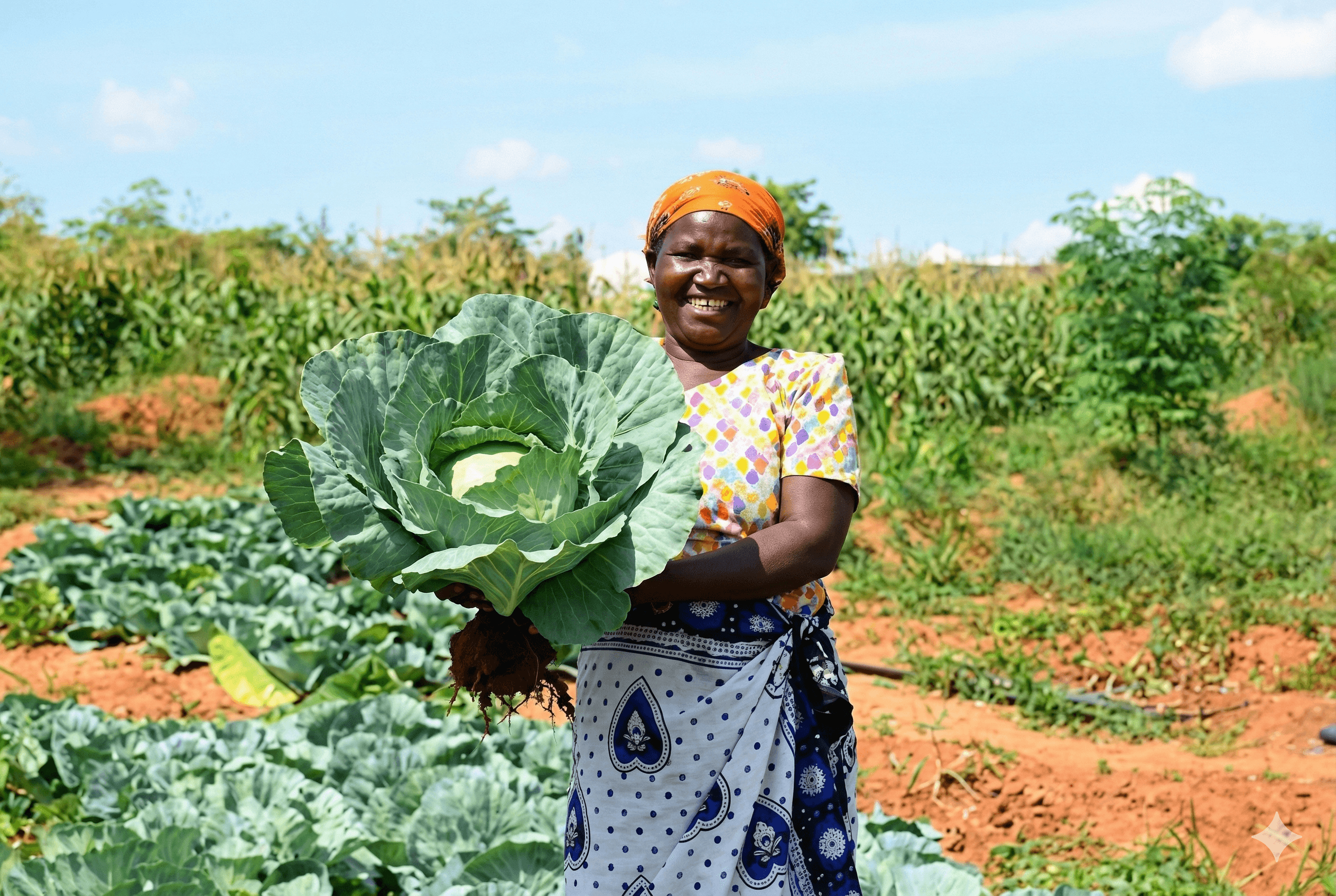
In Kisitimani village, the contrast is jarring enough to make you rub your eyes. To the east and west, the land is a scorched tapestry of withered maize and dust—the familiar, heartbreaking signature of yet another failed rainy season in Eastern Kenya. But cut through the center, along the banks of the River Maindaindu, and the landscape abruptly shifts to high-definition green. Here, bananas hang heavy, bean stalks stand tall, and cabbages swell with moisture, defying the scorching sun that has drained the Christmas cheer from neighboring communities.
This oasis isn't a stroke of luck; it is a feat of engineering and stubborn hope. While thousands across Machakos, Kitui, and Makueni brace for hunger, farmers along this 25-kilometer stretch of the Maindaindu are harvesting bumper crops. The secret lies buried beneath the riverbed: a series of seven newly constructed sand dams that have refused to let the river die, turning a seasonal flash-flood channel into a year-round lifeline.
For decades, the Maindaindu was a source of anxiety rather than abundance. It would roar to life during the rains, sweeping away topsoil, only to vanish weeks later, leaving women to trek kilometers for water and men to drive livestock over 20 kilometers to the Athi River. Today, that narrative has been rewritten.
“We are not bothered by the dry spell reported in other parts of the county,” says Veronica Wambua, a smallholder farmer in Kisitimani. Standing beside her thriving plot, she points to the concrete weir that has changed her life. “Previously, we relied on hope. Now, we rely on the water stored right here.”
The intervention, spearheaded by the Utooni Development Organisation (UDO) and funded by the Asian Foundation and APA Apollo Foundation, is a masterclass in climate adaptation. Unlike conventional dams that store open water (which evaporates quickly), sand dams trap water within the sand itself. As the river flows, the concrete wall holds back heavy sand, creating an artificial aquifer. Water stored in this sand is protected from evaporation and contamination, ready to be scooped up or pumped out even when the surface is bone dry.
What makes the Maindaindu project unique is its density. Typically, restoration projects build one or two dams in isolation. However, Snehar Shah, a board member of the Asian Foundation, explained that the strategy here was to create a cascade effect.
“We saw an opportunity to concentrate seven sand dams in one river so that we can study their impact on the environment,” Shah noted. “The throwback from each sand dam reaches the previous one, effectively creating a continuous chain of water storage.”
This "chain" has raised the water table across the entire valley. Shallow wells that used to run dry are now recharging, and the micro-climate along the banks has stabilized. For a region where agriculture contributes to over 70% of household income, this stability is not just an environmental win—it is an economic revolution.
However, the project’s success hangs on a delicate balance. The very sand that stores the water is a lucrative commodity for the construction industry, making the river a target for illegal harvesters. Regina Kamau, CEO of Utooni Development Organisation, warned that community vigilance is the only firewall against degradation.
“We are working with the Maindaindu riparian community to grow trees and set up terraces to minimize soil erosion,” Kamau emphasized. “Importantly, the riparian community must shun wanton sand harvesting. If you sell the sand, you sell the water.”
The community seems to have heeded the call. Under the banner of the Sustainable Community Initiative for Rural Development, led by Chairman Daniel Kimondiu, locals have taken ownership of the project. They understand that in a warming world, their wealth is no longer just in their granaries, but in the riverbed that keeps them full.
As the sun sets over Matungulu, the Maindaindu is no longer just a stream on a map. It is a proof of concept for a thirsty nation—evidence that with the right investment and community will, we can stop waiting for rain and start building our own resilience.
Keep the conversation in one place—threads here stay linked to the story and in the forums.
Sign in to start a discussion
Start a conversation about this story and keep it linked here.
Other hot threads
E-sports and Gaming Community in Kenya
Active 10 months ago
The Role of Technology in Modern Agriculture (AgriTech)
Active 10 months ago
Popular Recreational Activities Across Counties
Active 10 months ago
Investing in Youth Sports Development Programs
Active 10 months ago



