We're loading the full news article for you. This includes the article content, images, author information, and related articles.
The expiration of US health tax credits triggers domestic cost spikes, signaling likely cuts to foreign aid and serving as a warning for Kenya’s own insurance sustainability.
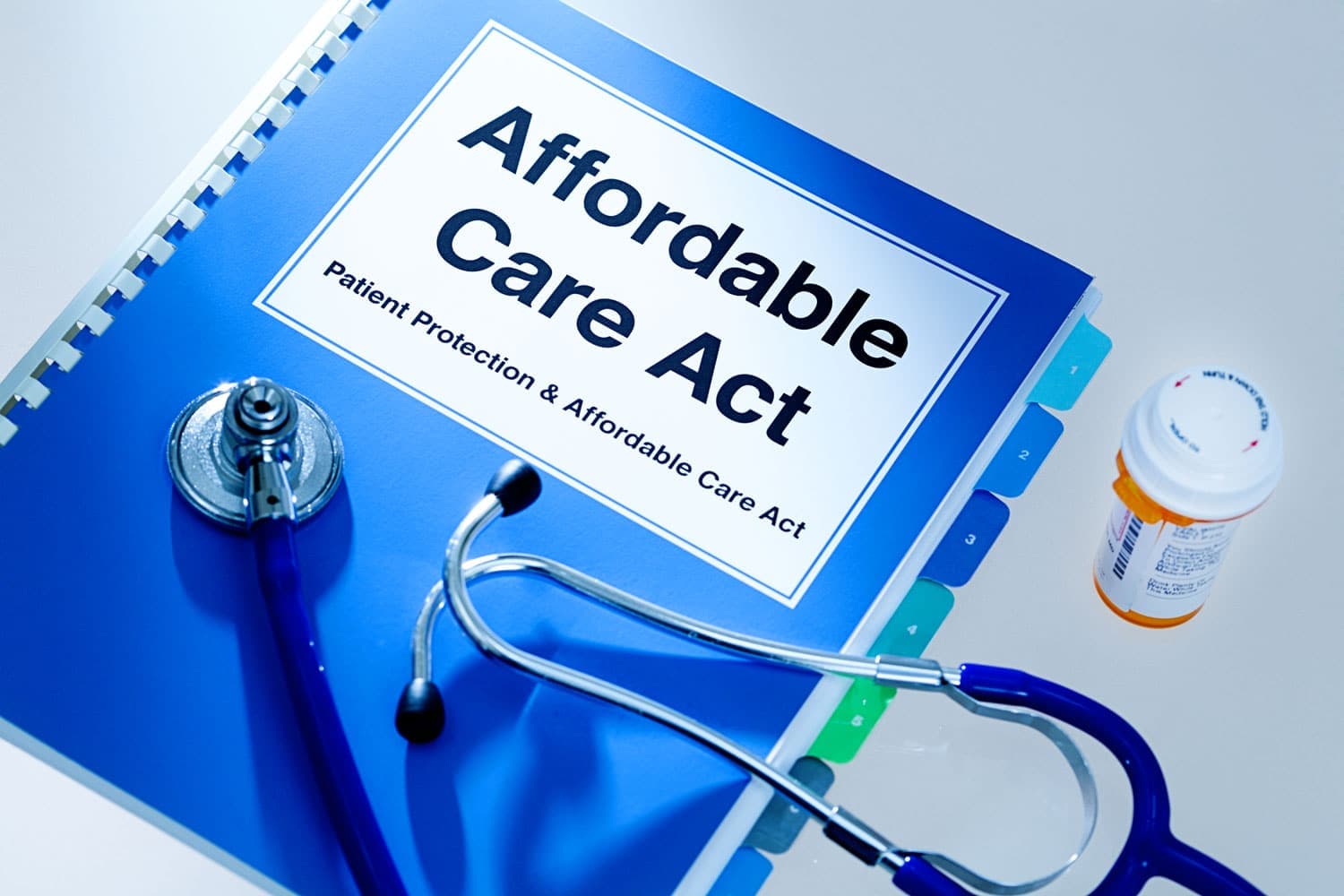
When America sneezes, the world catches a cold. But when the American health system catches a fever, the developing world risks pneumonia. The expiration of enhanced premium tax credits in the United States at the end of 2025 has triggered a domestic crisis with profound implications for Kenyan health policy.
In the U.S., the expiry of these Affordable Care Act (ACA) subsidies has caused premiums to spike by an estimated 114% in 2026. Millions of Americans are dropping coverage or facing financial strain. Why does this matter for a patient in Kisumu? Because a U.S. government grappling with a domestic healthcare cost crisis and an angry electorate is a government that cuts foreign aid.
The domestic pressure to subsidize American patients is diverting political will and capital away from global health. The political narrative in Washington has shifted to "taking care of our own." This directly impacts the PEPFAR and USAID budgets that keep millions of Kenyans on ARVs. As U.S. lawmakers scramble to find money to stabilize their own insurance markets, the "foreign ops" budget is the easiest target for cuts.
Kenyan policymakers are watching with alarm. The instability of the U.S. insurance market serves as a grim warning for Kenya’s own SHIF rollout: if a superpower cannot sustain subsidized coverage, can a developing economy? It reinforces the urgent need to decouple Kenya’s essential health services from U.S. fiscal cycles.
The debate over "who is covered" is now global. In the U.S., the premium spikes are forcing a re-evaluation of the social contract. In Kenya, we are having the exact same conversation. Both nations are discovering that insurance schemes without robust, sustainable financing mechanisms are destined to fail the people they are meant to protect.
The global village is interconnected. The premium notice in an American mailbox is arguably the most dangerous piece of paper for the future of global health equity.
Keep the conversation in one place—threads here stay linked to the story and in the forums.
Sign in to start a discussion
Start a conversation about this story and keep it linked here.
Other hot threads
E-sports and Gaming Community in Kenya
Active 10 months ago
Popular Recreational Activities Across Counties
Active 10 months ago
The Role of Technology in Modern Agriculture (AgriTech)
Active 10 months ago
Investing in Youth Sports Development Programs
Active 10 months ago