We're loading the full news article for you. This includes the article content, images, author information, and related articles.
The battle for Nairobi’s gubernatorial seat intensifies as political factions align for the 2027 election, raising questions about governance and service delivery.
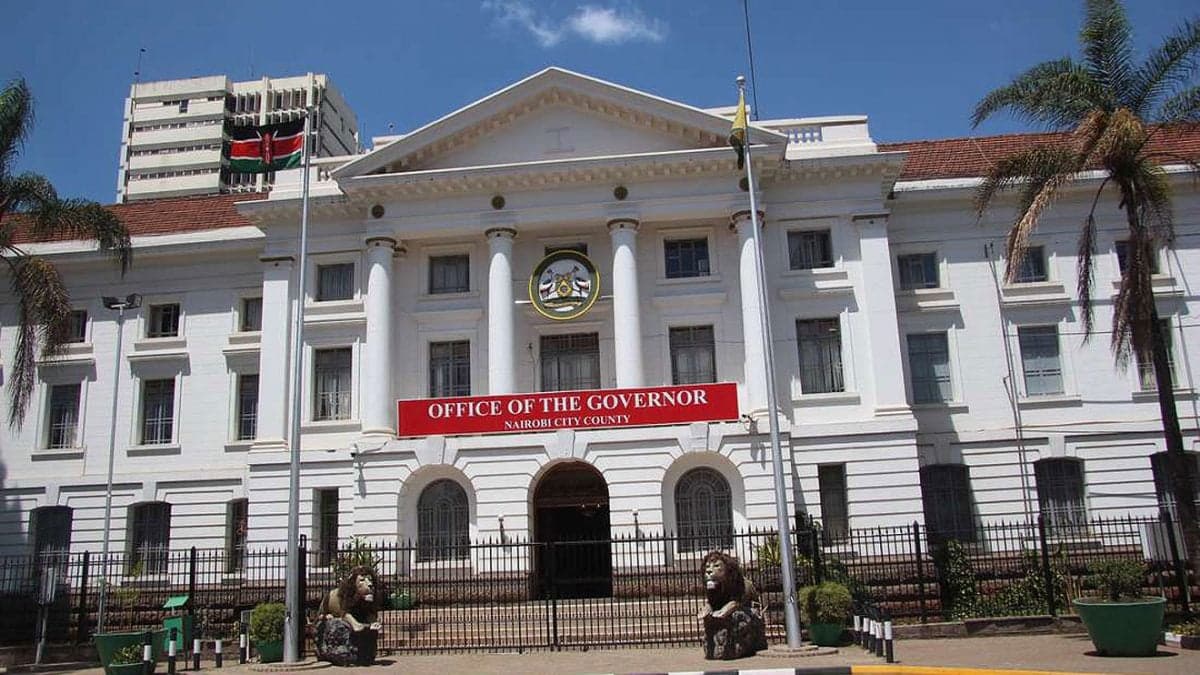
Political machinery in Nairobi has shifted into overdrive as the 2027 electoral cycle approaches, with City Hall serving as the primary theater for power realignments. While citizens grapple with immediate service delivery hurdles, the political class is already focused on securing the county’s gubernatorial seat, effectively turning the capital into a permanent campaign zone.
The push for control of Nairobi is not merely about local administration it is a battle for the political soul of Kenya. With the county’s contribution to national GDP estimated at over 25 percent, whoever commands City Hall commands the most significant economic bloc in East Africa. As alliances solidify and rival camps mobilize, the gap between political rhetoric and the tangible needs of the city’s five million residents is widening, creating a volatile landscape for Governor Johnson Sakaja and his challengers.
Governor Sakaja’s administration finds itself at a critical juncture, facing intense scrutiny regarding collaboration with the national government. Recent agreements involving waste management, sewerage, and road maintenance have drawn sharp comparisons to the defunct Nairobi Metropolitan Services (NMS), reigniting the constitutional debate over devolved functions. For the Governor, these partnerships are pragmatic solutions to a budget deficit that has constrained development projects. For his political adversaries, they are evidence of a surrender of county autonomy.
The numbers behind the current administration’s performance reveal a complex picture:
The reality on the ground, particularly in informal settlements like Kibera and Mathare, is that residents are less concerned with constitutional debates and more focused on basic amenities. The rising cost of living has made the provision of affordable water and electricity the primary metrics by which the electorate will judge incumbents and challengers alike.
The opposition, led by a coalition of key political figures including Senator Edwin Sifuna and other party heavyweights, is positioning itself to challenge the UDA-led county administration. The rhetoric from the opposition benches in the County Assembly has intensified, focusing on issues of accountability and transparency in procurement. Political analysts observe that the opposition is not just attacking the Governor they are testing the strength of the ruling coalition’s hold on the capital.
Behind the scenes, coalition-building is underway. There are whispers of a potential realignment that could see ODM and UDA supporters finding common ground on national issues, while diverging sharply on Nairobi’s governance. This creates a confusing landscape for voters, who must navigate a political environment where yesterday’s rivals are today’s partners. The danger for the electorate is that this elite-focused negotiation neglects the grassroots reality of the city.
As the campaign clock ticks toward 2027, the political bandwidth of Nairobi’s leadership is being consumed by electioneering rather than long-term policy formulation. Critics argue that the fixation on the next ballot is hindering the implementation of the Nairobi Integrated Urban Development Plan. If the focus remains on optics over substance, the city risks a stagnation that could stifle economic growth for years to come.
The upcoming months will be defined by how the electorate responds to this high-stakes chess match. Will voters stick with established figures who promise stability through national partnerships, or will they turn to insurgent candidates who prioritize devolution and a break from the status quo? The answer will not only decide the next Governor of Nairobi but will also send a clear signal to the rest of the country about the priorities of urban Kenyans as the nation prepares for the next general election.
Ultimately, Nairobi stands at a crossroads. The city requires more than just political mobilization it demands a clear, executable roadmap for growth that transcends the five-year election cycle. Whether the current occupants of City Hall or their challengers can provide that vision remains the defining question of this political year.
Keep the conversation in one place—threads here stay linked to the story and in the forums.
Sign in to start a discussion
Start a conversation about this story and keep it linked here.
Other hot threads
E-sports and Gaming Community in Kenya
Active 9 months ago
The Role of Technology in Modern Agriculture (AgriTech)
Active 9 months ago
Popular Recreational Activities Across Counties
Active 9 months ago
Investing in Youth Sports Development Programs
Active 9 months ago
Key figures and persons of interest featured in this article