We're loading the full news article for you. This includes the article content, images, author information, and related articles.
Kenya signs a historic $2.5bn deal with the U.S., securing health funding in exchange for pathogen access, marking the dawn of transactional "America First" health diplomacy.
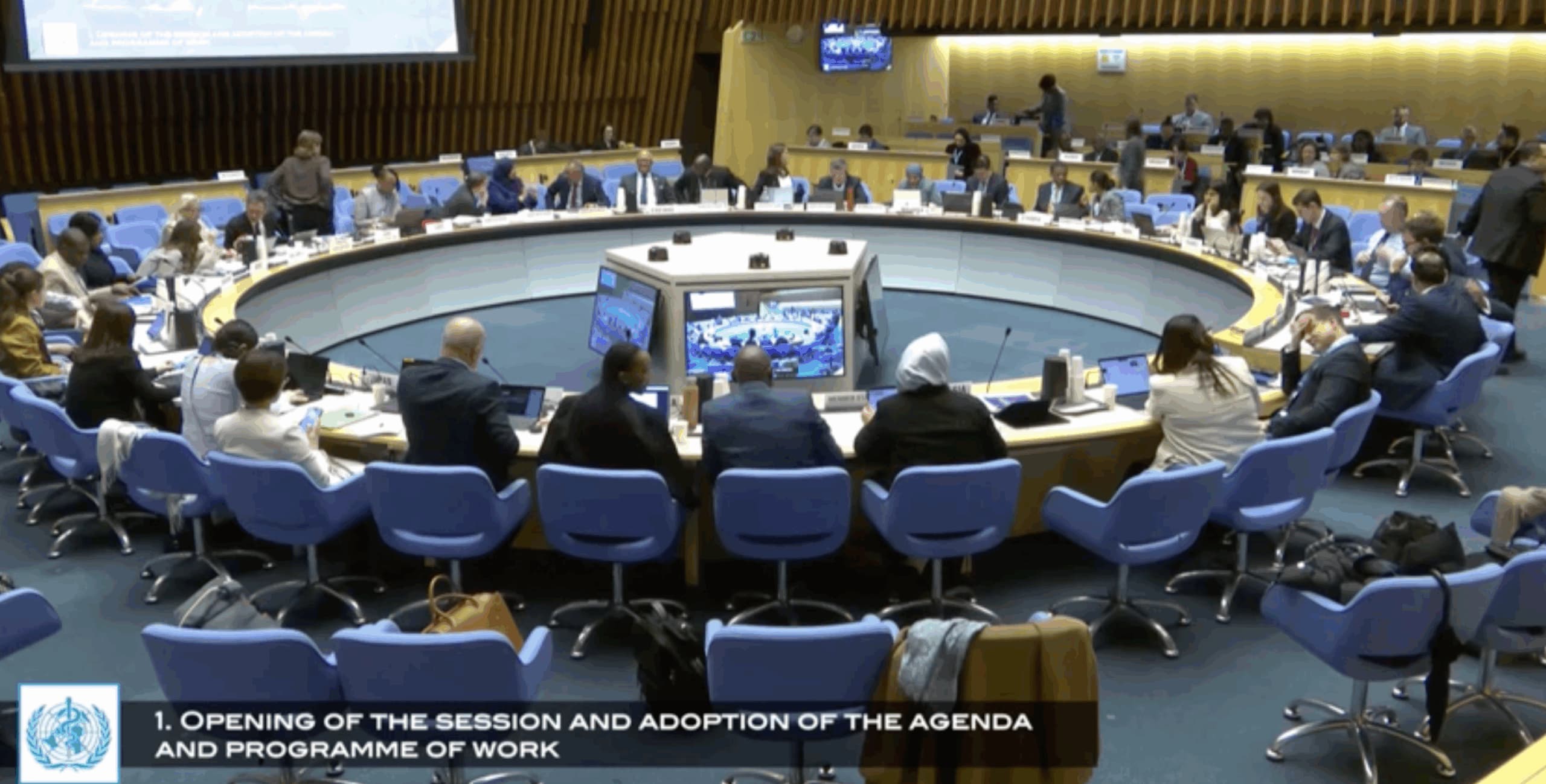
In a landmark shift that redefines the rules of health diplomacy, Kenya has become the first nation to sign a bilateral deal under the United States’ new "America First Global Health Strategy." The agreement, inked in December 2025, secures $2.5 billion in funding but comes with a controversial price tag: exclusive pathogen access.
The deal, signed by President William Ruto and U.S. officials, is a departure from the altruistic aid models of the past. It is a transactional partnership. In exchange for five years of guaranteed funding for HIV, malaria, and TB programs, Kenya agrees to "incentive-based" cooperation that includes sharing biological samples and surveillance data directly with U.S. agencies. This move effectively bypasses multilateral bodies like the WHO, creating a direct pipeline of biological intelligence from Nairobi to Washington.
The U.S. administration describes the strategy as "eliminating dependency and ideology." The goal is to bypass the "NGO industrial complex" and fund national governments directly—provided they align with U.S. biosecurity interests. For Kenya, facing a fiscal cliff and declining global aid, the cash infusion is a lifeline. It promises to modernize labs, digitize health records, and keep the supply chain of antiretrovirals flowing.
However, critics view the "pathogen access" clause as a matter of biosecurity sovereignty. By locking Kenya into a bilateral data-sharing arrangement, the deal raises questions about who owns the genetic data of African diseases and who profits from the vaccines and treatments developed from them. It is a stark example of health aid evolving into national security strategy.
Kenya is the test case. U.S. diplomats are already in talks with Nigeria, Uganda, and Rwanda for similar pacts. The strategy aims to build a ring of biosecurity allies, effectively creating a two-tier global health system: those inside the U.S. bilateral tent, and those outside relying on a shrinking multilateral pot.
"This is business, not charity," noted a diplomatic source in Nairobi. As Kenya navigates this new terrain, it must ensure that in trading data for dollars, it does not mortgage its future health security.
Keep the conversation in one place—threads here stay linked to the story and in the forums.
Sign in to start a discussion
Start a conversation about this story and keep it linked here.
Other hot threads
E-sports and Gaming Community in Kenya
Active 9 months ago
The Role of Technology in Modern Agriculture (AgriTech)
Active 9 months ago
Popular Recreational Activities Across Counties
Active 9 months ago
Investing in Youth Sports Development Programs
Active 9 months ago