We're loading the full news article for you. This includes the article content, images, author information, and related articles.
He champions East African unity, yet the Ugandan President’s iron-fisted longevity may be the very wall blocking the region’s integration.
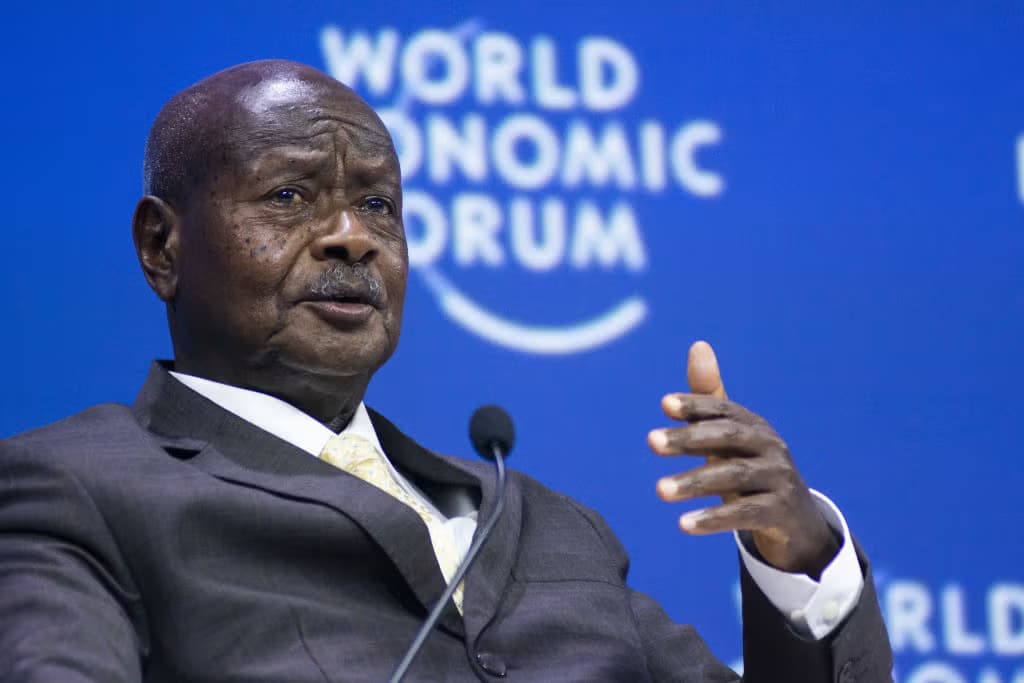
He champions East African unity with the fervor of a convert, yet the Ugandan President’s iron-fisted longevity may be the very wall blocking the region’s integration.
In the twilight of his rule, Yoweri Museveni has dusted off his oldest and most ambitious map: the East African Federation. Speaking from his Rwakitura ranch, the veteran leader describes a super-state stretching from the Indian Ocean to the Congo rainforest, a geopolitical titan capable of negotiating on equal footing with Washington and Beijing. It is a seductive vision. It is also a delusion. The uncomfortable truth, whispered in diplomatic enclaves from Nairobi to Dodoma, is that the primary obstacle to the East African Federation is not economics, or language, or infrastructure. It is Museveni himself.
“You cannot build a democracy on the foundation of a life-presidency,” argues Norman Nyagah, a seasoned observer of regional politics. The paradox is blinding: Museveni preaches the gospel of a unified federal government, yet his domestic track record—characterized by the suppression of dissent and the militarization of politics—terrifies his neighbors. Tanzania, with its fierce tradition of rotational leadership and constitutional adherence, views the Ugandan model with deep suspicion.
The fear is palpable: would a Federated East Africa be a democracy, or would it simply become a larger stage for the NRM’s patronage politics? Museveni’s recent maneuvers to secure a seventh term have only deepened these anxieties. To his counterparts in Kenya and Tanzania, the Federation looks less like a partnership and more like a retirement plan for a leader who has outgrown his own country.
The cracks in the East African Community (EAC) are widening, even as the summits grow more lavish. The entry of the DRC and Somalia has diluted the bloc’s cohesion, turning it into a sprawling, unmanageable entity rather than a tight-knit economic union.
Museveni is right about one thing: the region is stronger together. A unified East Africa could unlock immense potential, creating a market of 300 million people and a powerhouse economy. But this dream requires a surrender of sovereignty that no sitting president is willing to make to a peer they do not trust.
As the 2026 elections approach, the rhetoric of unity will grow louder. But until the region’s leaders can look past their own survival and build institutions that outlast them, the East African Federation will remain a phantom—a magnificent idea held hostage by the egos of the men who claim to serve it.
Keep the conversation in one place—threads here stay linked to the story and in the forums.
Sign in to start a discussion
Start a conversation about this story and keep it linked here.
Other hot threads
E-sports and Gaming Community in Kenya
Active 9 months ago
The Role of Technology in Modern Agriculture (AgriTech)
Active 9 months ago
Popular Recreational Activities Across Counties
Active 9 months ago
Investing in Youth Sports Development Programs
Active 9 months ago



