We're loading the full news article for you. This includes the article content, images, author information, and related articles.
The rise of 45 new AI-focused billionaires on the 2026 Forbes list signals a massive global economic shift with deep implications for emerging tech hubs.

The global economic landscape has undergone a seismic shift, mirroring the industrial revolutions of the past, as a new class of ultra-wealthy individuals emerges from the crucible of artificial intelligence. According to the 2026 Forbes Billionaires List, 45 individuals have joined the ranks of the world's wealthiest people, fueled primarily by the explosive valuation of generative AI, large language models, and the proprietary hardware required to sustain them. This rapid accumulation of capital by a handful of tech architects represents not just a personal fortune, but the structural reorganization of the global digital economy.
This development is not merely a marker of market speculation it is an indicator of where the world’s power is concentrating. As these 45 individuals command firms that effectively control the infrastructure of human knowledge, they are simultaneously dictating the terms of engagement for every national economy. For a Kenyan reader in Nairobi, this creates a pressing reality: the digital divide is no longer just about broadband access, but about sovereignty over the algorithmic intelligence that will drive the GDPs of the next decade.
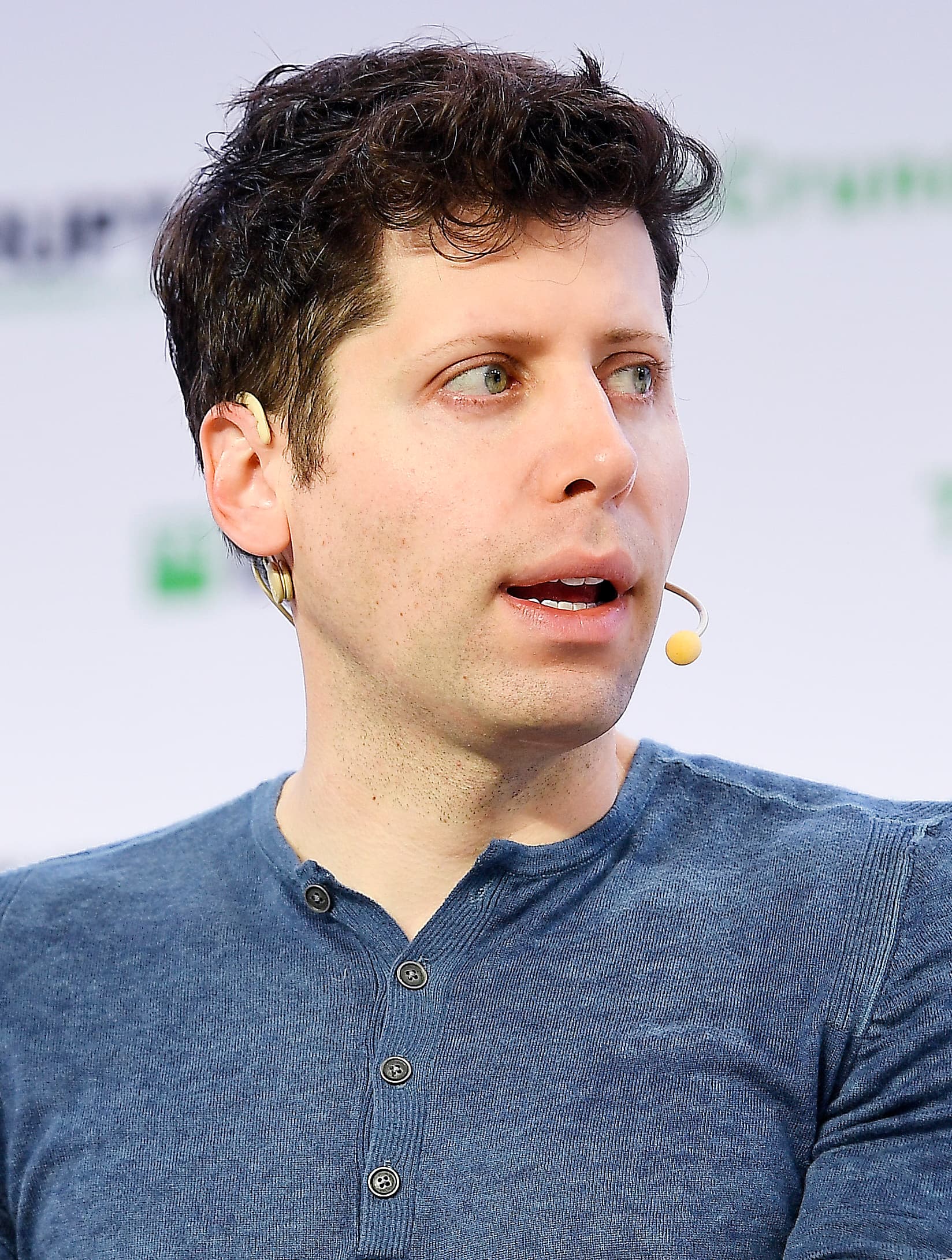
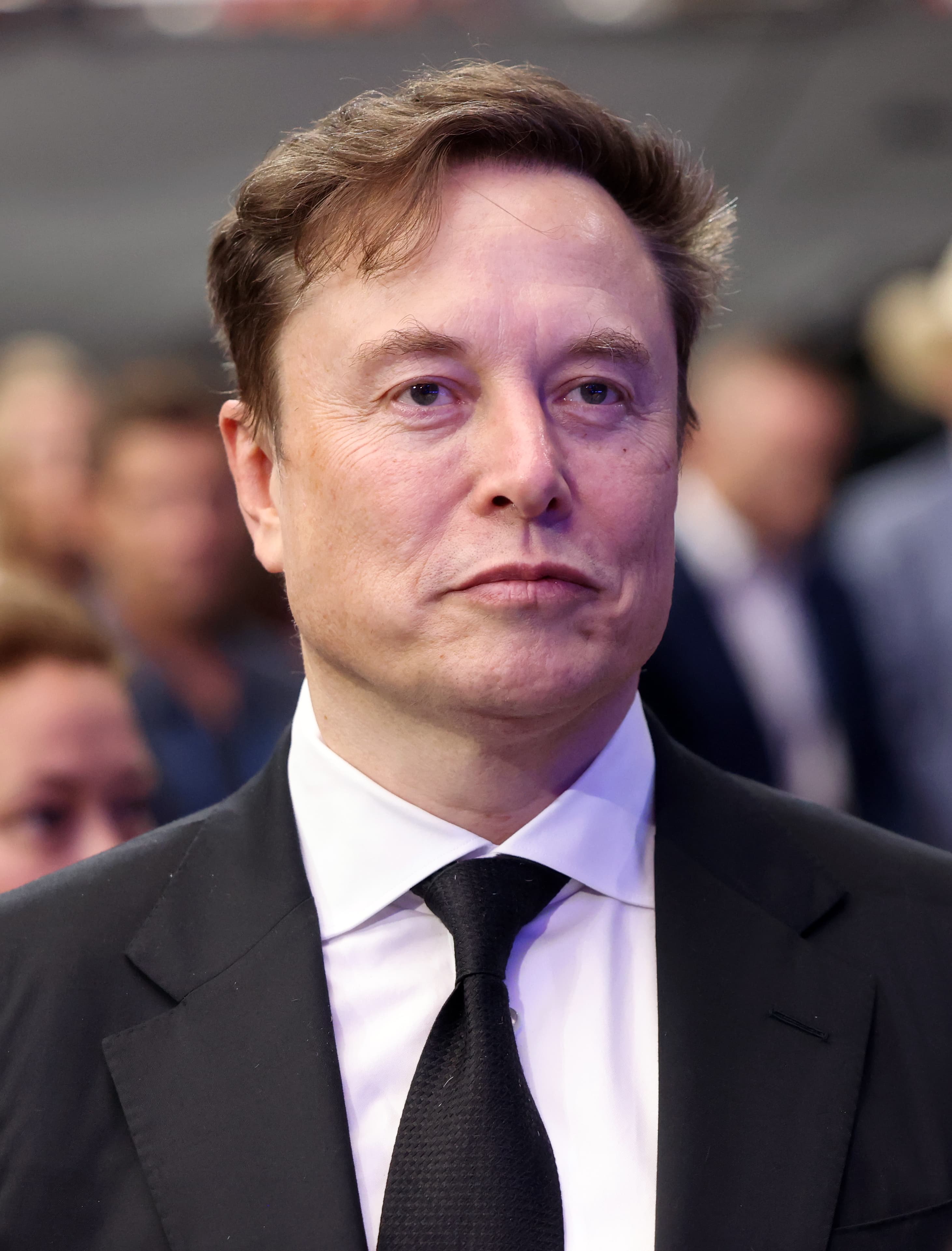
At the center of this wealth surge are the pioneers who moved AI from academic theory to corporate necessity. Figures such as Sam Altman, whose work with OpenAI has catalyzed a multitrillion-dollar industry, and Dario Amodei, the CEO of Anthropic, have seen their personal valuations soar alongside their firms. They are joined by the polarizing yet pervasive influence of Elon Musk, whose xAI venture has aggressively challenged established competitors, effectively creating a high-stakes race for artificial general intelligence that mirrors the Cold War arms race in its intensity and capital requirements.
The wealth accumulation is not distributed evenly. It follows a predictable pattern of early investment, high-risk capital deployment, and monopolization of the energy and hardware supply chains. The market capitalizations of companies led by these individuals now routinely exceed the total GDP of many emerging nations, creating a dynamic where private corporate strategy often supersedes national policy.
For Kenya, the rise of the AI billionaire class presents a paradox. Nairobi has long been heralded as the "Silicon Savannah," a hub of innovation and mobile-first technology. However, as global wealth concentrates in the hands of those controlling the primary AI models, local developers risk becoming mere users of foreign-controlled tools rather than architects of indigenous solutions. The concern among local economists is that the intellectual property generated in Kenya will be harvested to train global models, with the profits accruing to the 45 new billionaires in the United States and China, rather than the local ecosystem.
Economists at the University of Nairobi suggest that if the current trajectory holds, the dependency on proprietary APIs from firms led by these new titans could cost the Kenyan private sector significant capital in subscription and access fees. Estimates suggest that small to medium enterprises (SMEs) across East Africa could spend upwards of KES 50 billion (approximately $385 million) annually on AI-integration services by 2028, effectively siphoning capital away from domestic R&D. The challenge, therefore, is not to resist AI, but to foster a robust local infrastructure that can utilize these models while maintaining digital autonomy.
Critics, including ethicists and global policy analysts, argue that the Forbes list highlights a dangerous consolidation of power. The ability to define the values, biases, and outputs of AI systems gives these 45 individuals unprecedented influence over public discourse, education, and labor markets. Unlike the oil barons of the early 20th century, whose product was tangible, these new titans deal in information and cognition.
Furthermore, the environmental cost of this wealth is significant. The data centers required to train these massive models demand electricity equivalent to the consumption of mid-sized nations. In Kenya, where the national grid is undergoing expansion, the prospect of energy-intensive data centers competing with rural electrification efforts is a looming policy tension. Government regulators must balance the desire to attract foreign tech investment with the need to ensure that the infrastructure supports the local populace first.
The 2026 billionaire list is a testament to the speed of technological disruption, but it is also a warning. Wealth has historically followed the resources that fuel an era—land, gold, oil, and now, intelligence. As these 45 individuals consolidate their grip on the future, the global community must decide whether it will allow AI to be an extractive industry or a platform for inclusive growth. The next decade will define whether the benefits of this artificial intelligence boom are widely shared or whether they remain locked behind the walls of the world’s newest corporate fortresses.
Keep the conversation in one place—threads here stay linked to the story and in the forums.
Sign in to start a discussion
Start a conversation about this story and keep it linked here.
Other hot threads
E-sports and Gaming Community in Kenya
Active 9 months ago
The Role of Technology in Modern Agriculture (AgriTech)
Active 9 months ago
Popular Recreational Activities Across Counties
Active 9 months ago
Investing in Youth Sports Development Programs
Active 9 months ago
Key figures and persons of interest featured in this article