We're loading the full news article for you. This includes the article content, images, author information, and related articles.
It is politics that shapes where you live, where you study, how you access health care, who is silenced, and who is protected.
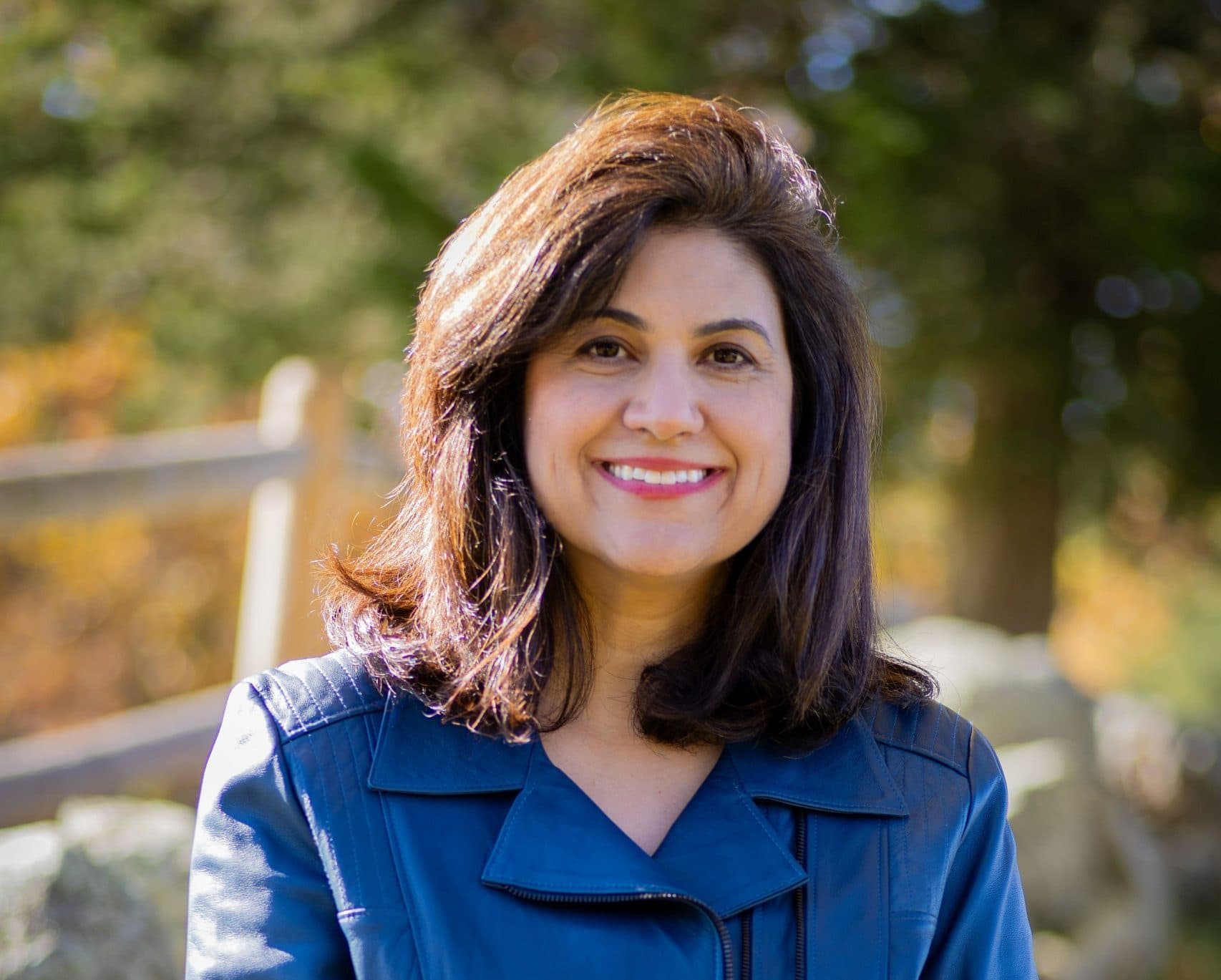
It is politics that shapes where you live, where you study, how you access health care, who is silenced, and who is protected.
Marjan Kamali’s latest literary triumph, "The Lion Women of Tehran," serves as a poignant, unyielding reminder that attempting to live entirely outside the political sphere is a dangerous illusion. The personal, as her narrative masterfully demonstrates, is always profoundly political.
For readers navigating the complex, often volatile political landscapes of East Africa, Kamali's sweeping narrative resonates with profound intensity. Choosing not to engage with the system does not magically shield you from its sweeping mandates; it merely dictates how you will inevitably suffer its consequences.
Set against the tumultuous backdrop of mid-20th-century Iran, the novel intricately tracks the evolving relationship between two young women whose lives are irrevocably altered by shifting national ideologies. Kamali meticulously details how the grand machinations of statecraft—revolutions, regime changes, and shifting cultural edicts—bleed directly into the domestic sphere. The characters cannot simply opt out of the prevailing political winds; their access to education, their freedom of movement, and their fundamental human rights are all negotiated at the altar of national politics.
The illusion of the "apolitical citizen" is systematically dismantled chapter by chapter. Kamali illustrates that silence or willful ignorance in the face of systemic shifts is, in itself, a definitive political stance—one that often inadvertently supports the status quo and leaves the most vulnerable populations utterly exposed.
While the setting is geographically distant, the thematic core of "The Lion Women of Tehran" strikes a powerful chord in Kenya and the broader East African region. In societies where political decisions intimately and immediately dictate daily realities—from the cost of basic commodities and the accessibility of universal healthcare to the integrity of democratic elections—the concept of remaining apolitical is a luxury few can afford.
Literature possesses the unique capacity to mirror our own societal struggles through the lens of another culture's history. "The Lion Women of Tehran" does not merely entertain; it compels the reader to critically examine their own relationship with the governance structures that surround them. It asks the uncomfortable question: If the political apparatus dictates the boundaries of your existence, how can you afford not to participate in its formation?
In Kenya, where robust civic engagement and spirited political debate are hallmarks of the national character, Kamali's work reinforces the absolute necessity of this vigilance. The ongoing struggles for equitable resource distribution, transparent governance, and the protection of constitutional rights require constant, active participation from the citizenry.
To declare oneself apolitical is to surrender agency over one's own destiny. Kamali’s protagonists learn this lesson through bitter experience and profound loss. Their journey is a testament to the fact that politics is not merely a game played by elites in distant capitals; it is the very air we breathe and the architecture of our daily lives.
As readers close the final pages of this evocative novel, the lingering message is unequivocally clear. We are all deeply embedded in the political fabric of our respective nations. "To ignore the political reality is to walk blindfolded through a minefield; engagement is not just a right, it is the fundamental duty of survival."
Keep the conversation in one place—threads here stay linked to the story and in the forums.
Sign in to start a discussion
Start a conversation about this story and keep it linked here.
Other hot threads
E-sports and Gaming Community in Kenya
Active 9 months ago
The Role of Technology in Modern Agriculture (AgriTech)
Active 9 months ago
Popular Recreational Activities Across Counties
Active 9 months ago
Investing in Youth Sports Development Programs
Active 9 months ago



