We're loading the full news article for you. This includes the article content, images, author information, and related articles.
Illicit financial flows, fueled by rampant corruption in public procurement, are bleeding the nation dry. This isn't just a crime; it's a direct assault on every Kenyan's access to healthcare, jobs, and a secure future.
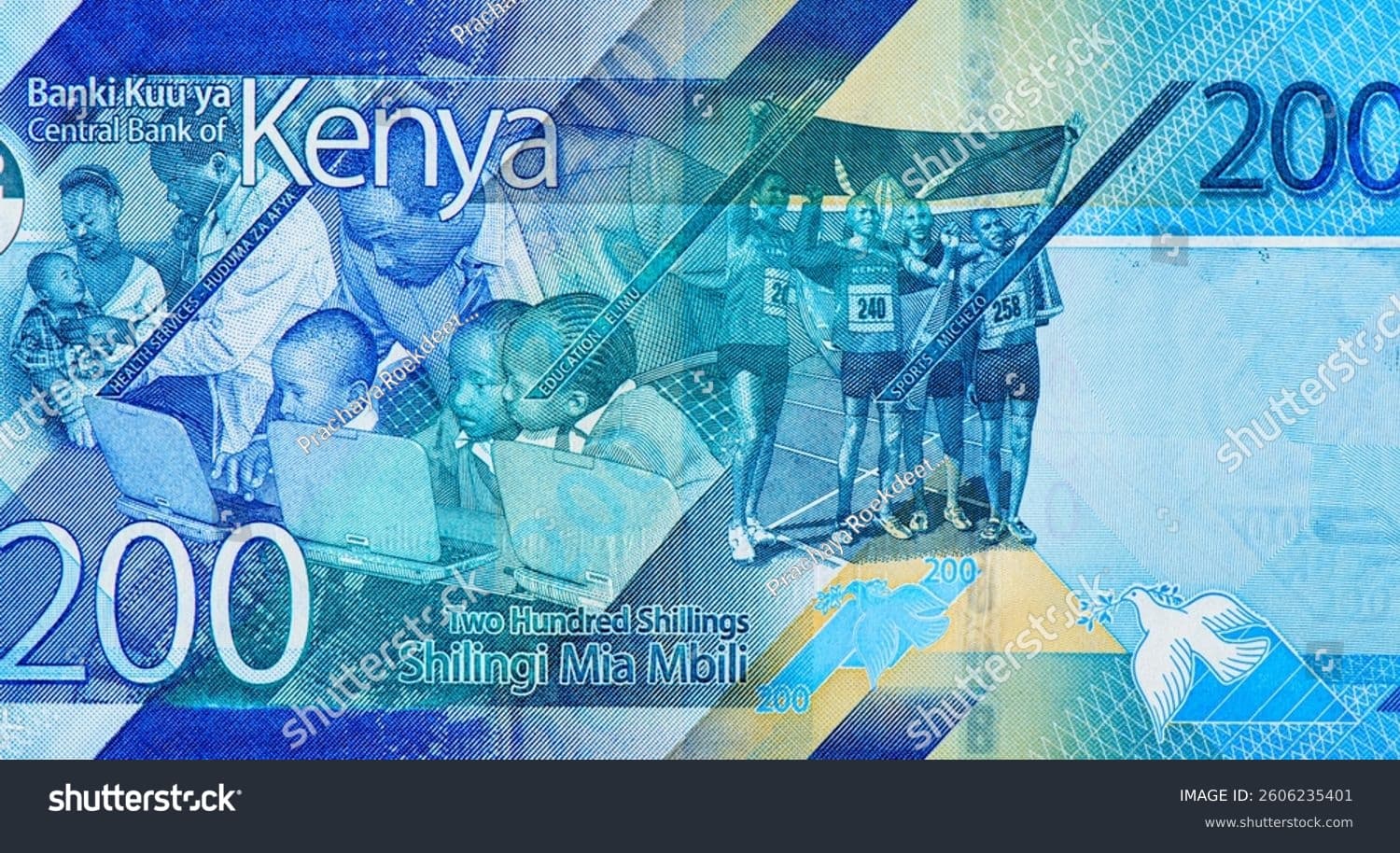
A staggering KES 200 billion is being siphoned out of Kenya annually through illicit financial flows, a recent assessment by the African Development Bank (AfDB) revealed. This is not a victimless crime. It is a quiet theft from public coffers, directly starving the nation of funds needed for critical development and placing a heavier burden on every taxpayer.
This colossal sum, lost to schemes like fraudulent trade invoicing and opaque offshore deals, represents the missing medicines in our rural clinics, the impassable roads after the rains, and the stalled projects that were meant to create jobs for millions of youth. To put it in perspective, KES 200 billion is more than the entire development budget for energy, infrastructure, and ICT combined, and could significantly finance the nation's Universal Health Coverage goals. Instead, it lines the pockets of a corrupt few through a well-oiled machine of public sector graft.
At the heart of this hemorrhage lies the public procurement system. The Ethics and Anti-Corruption Commission (EACC) has repeatedly flagged fraudulent procurement as the primary avenue for looting public funds. EACC Chief Executive Officer Twalib Mbarak has noted that corruption cases exist in all 47 counties, with irregular procurement and abuse of office being rampant. “Accounting and public officers who engage in fraudulent procurement practices or facilitate illicit payments of public funds will be held personally liable,” Mbarak warned, emphasizing the personal accountability of those involved.
These schemes, locally dubbed 'wash-wash', often involve the creation of shell companies to receive illicit funds, which are then laundered through legitimate-looking businesses, such as real estate or high-end vehicle imports, making the dirty money appear clean. The recent scandals at the Kenya Medical Supplies Authority (KEMSA) serve as a grim case study. The agency has been rocked by allegations of mishandling a KES 7.7 billion tender for COVID-19 protective gear and, more recently, bungling a KES 3.7 billion mosquito net tender funded by the Global Fund, which led to its cancellation. In another case, a Kenyan was indicted in the United States for a scheme involving the fraudulent diversion of over $650 million (approx. KES 84 billion) in USAID-funded medical supplies from KEMSA.
The systemic nature of the problem has not gone unnoticed internationally. In February 2024, the Financial Action Task Force (FATF), a global money laundering watchdog, placed Kenya on its 'grey list' for the second time in a decade. This designation signals to the world that the country has strategic deficiencies in its frameworks for countering money laundering and terrorist financing.
The consequences are dire and directly impact the economy.
As Nairobi-based economist Jared Osoro noted, the grey listing “undermines any potential confidence that might have been growing. Investors cannot have confidence in banks and regulatory authorities that have been found to be under-focused in terms of monitoring illicit flows.”
While the government has enacted new legislation, such as the Anti-Money Laundering and Combating of Terrorism Financing Laws (Amendment) Act of 2025, to address the deficiencies identified by FATF, experts argue the core issue is implementation and political will. Veteran anti-corruption campaigner John Githongo has long warned that corruption is “poisoning our politics” and is the ultimate cause of poverty and instability.
The fight against this economic sabotage cannot be won by legislation alone. It requires transparent procurement processes, robust enforcement by agencies like the EACC, and a judiciary that ensures the corrupt face swift and severe consequences. For the average Kenyan, the stakes are clear: until this KES 200 billion hole is plugged, the promise of quality public services and a thriving economy will remain just that—a promise.
Keep the conversation in one place—threads here stay linked to the story and in the forums.
Sign in to start a discussion
Start a conversation about this story and keep it linked here.
Other hot threads
E-sports and Gaming Community in Kenya
Active 9 months ago
The Role of Technology in Modern Agriculture (AgriTech)
Active 9 months ago
Popular Recreational Activities Across Counties
Active 9 months ago
Investing in Youth Sports Development Programs
Active 9 months ago
Key figures and persons of interest featured in this article