We're loading the full news article for you. This includes the article content, images, author information, and related articles.
A young Kenyan's ambition to buy a car in six months sparks a national conversation on financial reality, debt, and the true cost of ownership in today's economy.
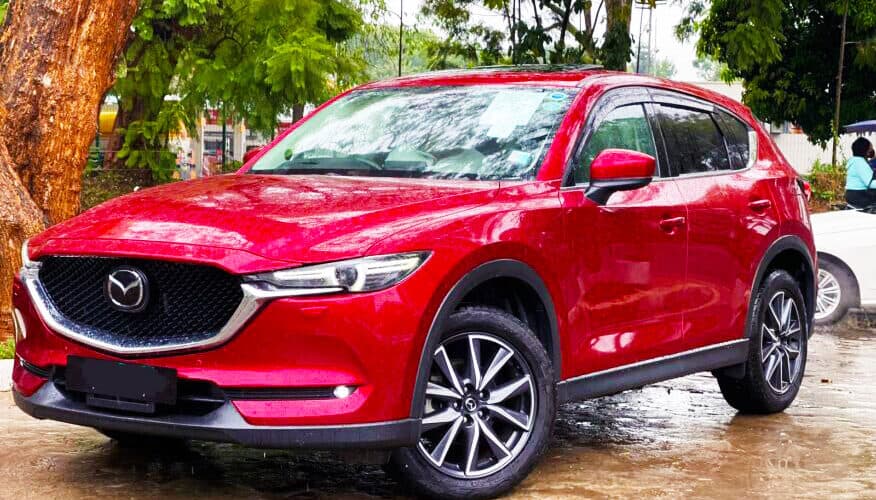
A 23-year-old's question has captured the attention of Kenyans online: How can I afford a KES 1.2 million car in six months on a KES 56,000 salary? The query, originally posed to a national newspaper, lays bare the immense pressure young people face to achieve milestones that seem increasingly out of reach.
The hard truth is, the goal is a mathematical impossibility through savings alone. To save KES 1.2 million in six months, one would need to put aside KES 200,000 every month. This is more than three times the total monthly salary, a stark illustration of the gap between aspiration and financial reality for many young professionals in the country.
Beyond the showroom price, the dream of car ownership carries significant, often overlooked, financial burdens. A car is not just a purchase; it's a recurring liability that demands a slice of your income long after the initial payment. For many, this turns the symbol of freedom into a source of financial stress.
Here’s a realistic breakdown of what it truly costs to keep a car on Nairobi's roads annually, even before the first drop of petrol is burned:
Financial experts who weighed in on the young man's dilemma were unanimous: the timeline is unrealistic and requires a complete rethink of the goal. Rather than chasing an impossible target, a more prudent approach involves patience, disciplined saving, and exploring sensible financing. The advice pivots from a six-month sprint to a multi-year marathon.
One of the most recommended paths is saving through a Sacco. Consistently saving even KES 7,000 to KES 10,000 for a period of three years can build a strong deposit history, making one eligible for affordable credit facilities, often at more competitive interest rates than commercial banks. Furthermore, Saccos often offer loan multipliers of up to three times a member's savings.
Alternative financing options exist but require caution:
Before committing, it is essential to assess the true purpose of the car. Is it a tool for generating income, like for a taxi service, or a convenience that will primarily consume income? This distinction, experts note, is the most critical factor in determining whether a car is a valuable asset or a debilitating liability.
Ultimately, the journey to car ownership for a young Kenyan on an average salary is not a race. It is a lesson in financial discipline, the power of delayed gratification, and the critical importance of distinguishing needs from wants.
Keep the conversation in one place—threads here stay linked to the story and in the forums.
Sign in to start a discussion
Start a conversation about this story and keep it linked here.
Other hot threads
E-sports and Gaming Community in Kenya
Active 9 months ago
The Role of Technology in Modern Agriculture (AgriTech)
Active 9 months ago
Popular Recreational Activities Across Counties
Active 9 months ago
Investing in Youth Sports Development Programs
Active 9 months ago