We're loading the full news article for you. This includes the article content, images, author information, and related articles.
For decades, they were dismissed as mere 'attendants.' Now, a quiet revolution is turning the custodians of the dead into recognized medical professionals—reshaping justice and dignity in the process.
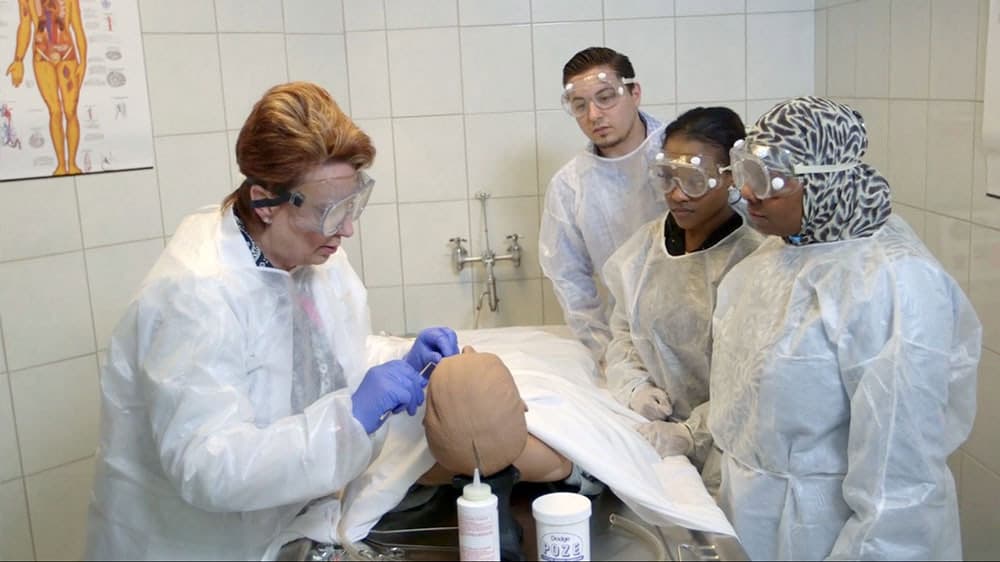
In the sterile, antiseptic chill of a Nairobi morgue, Harun’s hands move with the precision of a surgeon. He is not a doctor. He does not sign the death certificates. Yet, for decades, when Kenya’s most celebrated pathologists stepped up to the autopsy table, it was Harun who had already done the heavy lifting—literally and figuratively.
"The pathologist is the pilot, but we are the engineers who keep the plane in the air," says a senior mortician, reflecting on the role men like Harun have played in the shadows. For years, these essential workers operated in a legal and professional gray zone—self-taught, underpaid, and stigmatized as mere "body washers." Today, that narrative is being rewritten.
As the Kenya Medical Training College (KMTC) churns out its first cohorts of Diploma-holders in Mortuary Science, the country is witnessing a pivotal shift: the professionalization of the "Anatomical Pathology Technologist." This isn't just about titles; it is about the integrity of forensic evidence in criminal cases and the dignity afforded to every Kenyan family's final farewell.
Dr. Nelly Bosire, a prominent columnist and medical voice, recently highlighted the plight and power of these unsung heroes. She noted that while pathologists garner the headlines during high-profile investigations, it is the technologist who ensures the "ecosystem" of the mortuary functions. They are responsible for:
"Without a skilled technologist, a pathologist is working with one hand tied behind their back," notes a representative from the Morticians and Allied Professionals Association of Kenya (MAPA-Kenya). The association has been fighting a long war against the stigma that views their work as "unclean."
The transition to professional recognition cannot come soon enough. For years, mortuary staff have battled deep-seated cultural fears. Alice Owuor, a young female mortician, once revealed to local media that she was dumped by a partner simply for her choice of career. "People fear the dead," she said. "They forget that we are the last line of care for their loved ones."
This stigma has economic consequences. Many attendants in county facilities have historically earned meager wages, often below KES 30,000 a month, despite the psychological toll and health risks of the job. The new diploma qualification is expected to anchor demands for better pay scales and hazard allowances, aligning them closer to other medical technicians.
The stakes are highest in the courtroom. In Kenya, where unexplained deaths and police brutality cases often hinge on autopsy reports, the competence of the mortuary staff is critical. A body improperly stored or a sample mishandled by an untrained attendant can compromise a murder trial.
"We are moving from a time when anyone could be hired to guard the dead, to a time when you need a license to touch them," explains a KMTC lecturer. This shift promises to plug the gaps in Kenya’s criminal justice system, ensuring that the 'silent witnesses'—the bodies—tell their stories accurately.
As Harun and his younger, diploma-wielding colleagues continue their work behind the heavy steel doors, their message to the living is clear: Respect the dead, but value the living hands that care for them.
Keep the conversation in one place—threads here stay linked to the story and in the forums.
Sign in to start a discussion
Start a conversation about this story and keep it linked here.
Other hot threads
E-sports and Gaming Community in Kenya
Active 9 months ago
The Role of Technology in Modern Agriculture (AgriTech)
Active 9 months ago
Popular Recreational Activities Across Counties
Active 9 months ago
Investing in Youth Sports Development Programs
Active 9 months ago