We're loading the full news article for you. This includes the article content, images, author information, and related articles.
Journalists are celebrated for telling the nation's stories, but behind the byline, many are battling trauma, burnout, and anxiety in silence. A growing crisis now threatens not just their well-being, but the future of quality journalism.
They are the first responders to tragedy, the witnesses to history, and the voices for the voiceless. But for many Kenyan journalists, the relentless exposure to trauma is exacting a heavy, often invisible, price.
This is not just about the stress of deadlines. It is about the cumulative weight of covering graphic accidents, political violence, and profound human suffering, often without adequate support. The result is a growing mental health crisis within our newsrooms—a crisis of burnout, anxiety, and post-traumatic stress disorder (PTSD) that is no longer simmering beneath the surface.
The very nature of journalism exposes reporters to psychological harm. Counseling psychologist Dinah Kituyi describes it as one of the most emotionally demanding professions, where journalists absorb “secondary trauma” through interviews with victims and endure chronic stress from intense workloads. This constant exposure can lead to severe psychological injuries, including flashbacks, emotional numbness, and depression.
A study on Kenyan journalists revealed the stark reality: those who covered the 2007 post-election violence reported significantly more symptoms of PTSD. More recently, the COVID-19 pandemic took a heavy toll, with one award-winning health reporter, Eunice Omollo, publicly sharing her diagnosis of PTSD, anxiety, and bipolar disorder stemming from her coverage. These are not isolated incidents. A 2016 report by the Media Council of Kenya (MCK) found that 86% of journalists had witnessed traumatic events, and 29% showed symptoms of PTSD.
Despite the clear risks, a deeply ingrained culture of “toughing it out” prevents many from seeking help. Stigma and shame within newsrooms make it difficult to normalize conversations about mental health. This silence is compounded by precarious working conditions. A recent MCK report revealed that 52% of Kenyan journalists lack medical cover, and many work on temporary contracts, adding financial instability to emotional strain.
The consequences are dire. Without support, some journalists turn to substance abuse or leave the profession altogether. As Victor Bwire of the Media Council of Kenya warns, failure to address these issues leads to burnout, decreased productivity, and ultimately, harms the quality of journalism the public receives.
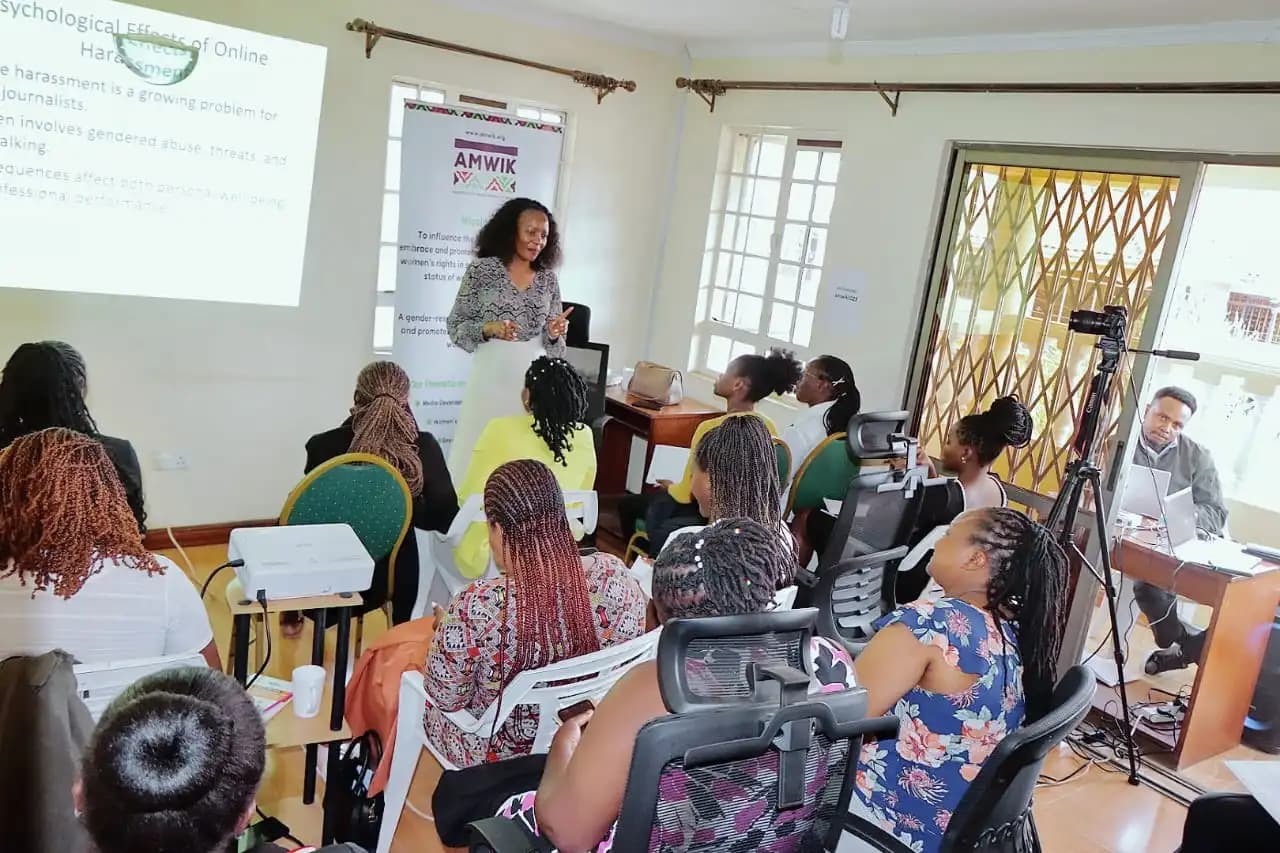
Thankfully, the conversation is beginning to shift. Organizations like the Association of Media Women in Kenya (AMWIK) and the Media Council of Kenya are taking the lead. AMWIK has introduced specialized mental health training for journalists, focusing on early detection and resilience-building. The MCK has emphasized the need for media houses to implement safety protocols, provide access to counseling, and foster open dialogue about well-being.
Experts agree on the critical next steps:
The well-being of journalists is not a luxury; it is essential for a healthy democracy. As one journalist aptly put it, “I want to keep telling stories that matter. But I also want to live to tell them.”
Keep the conversation in one place—threads here stay linked to the story and in the forums.
Sign in to start a discussion
Start a conversation about this story and keep it linked here.
Other hot threads
E-sports and Gaming Community in Kenya
Active 9 months ago
The Role of Technology in Modern Agriculture (AgriTech)
Active 9 months ago
Popular Recreational Activities Across Counties
Active 9 months ago
Investing in Youth Sports Development Programs
Active 9 months ago