We're loading the full news article for you. This includes the article content, images, author information, and related articles.
Over 500,000 refugees have crossed back into a liberated Syria, a massive reverse-migration that echoes the complex repatriation debates familiar to millions in East Africa.
The pull of home is a gravitational force, strong enough to drag a young man back to a land he cannot even remember.
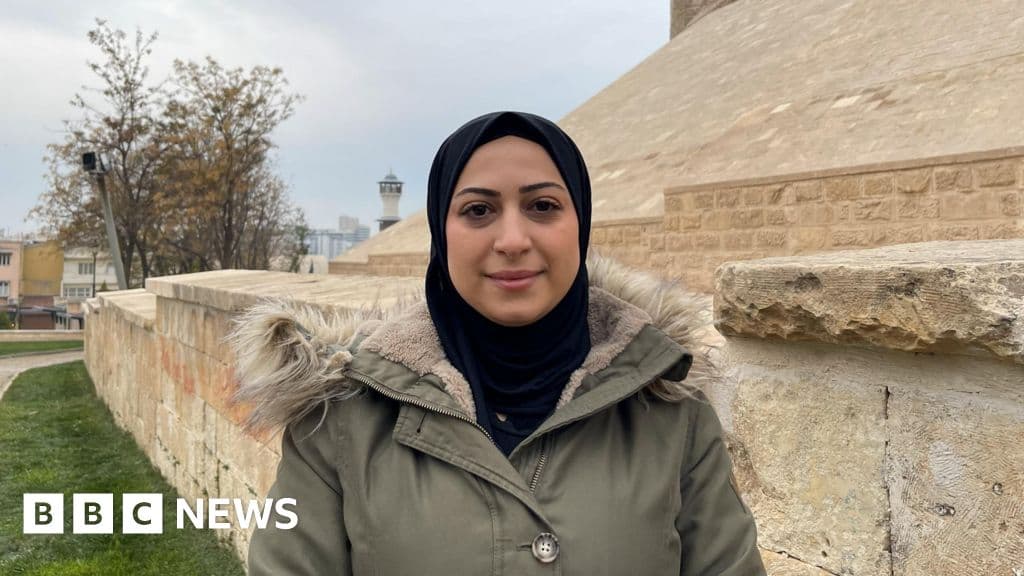
That is the reality for Ahmed, 18, who stands outside a mosque in Gaziantep, Turkey, wearing his allegiance on his chest—a black T-shirt emblazoned with "Syria." He was only five when his family fled the civil war, yet he is preparing to return to a country that, for him, exists more in stories than in memory.
Ahmed is not alone. He is part of a seismic demographic shift occurring one year after the collapse of Bashar al-Assad’s regime in December 2024. Since the dictator's ousting, over half a million Syrians have packed their bags and left Turkey, a movement that mirrors the repatriation challenges Kenya faces with its own refugee populations in Dadaab and Kakuma.
For the Kenyan reader, the scene in Gaziantep is strikingly familiar. Just as Somalis in Garissa County have often looked across the border with a mix of longing and trepidation, Syrians in southern Turkey are weighing their safety against their identity.
Turkey served as a critical sanctuary when the civil war began devouring Syria in 2011. At its peak, the country hosted 3.5 million Syrians—a population roughly equivalent to the entire Nairobi metropolitan area. However, that hospitality eventually frayed, leading to political tensions and sporadic xenophobic attacks.
Now, the flow has reversed. Ahmed told reporters he plans to return within a year or two. "I am impatient to get there," he said, despite having no recollection of the streets he plans to walk.
The decision to return is not merely sentimental; it is an economic calculation. Much like a Kenyan moving from the village to the city—or vice versa—the cost of living dictates the timeline. Ahmed is currently trying to save money in Turkey because wages in the newly liberated Syria remain depressed.
The reconstruction of Syria is a monumental task. While specific figures for the post-2024 rebuilding effort are still emerging, historical World Bank estimates for conflict recovery often run into the hundreds of billions of dollars (tens of trillions of Kenya Shillings). For the average returnee, the promise is simple yet risky:
While the optimism is palpable, analysts warn that the road ahead is paved with challenges. The infrastructure is shattered, and the economy is fragile. Yet, for half a million people, the risk is worth the reward of reclaiming a homeland.
Keep the conversation in one place—threads here stay linked to the story and in the forums.
Sign in to start a discussion
Start a conversation about this story and keep it linked here.
Other hot threads
E-sports and Gaming Community in Kenya
Active 9 months ago
The Role of Technology in Modern Agriculture (AgriTech)
Active 9 months ago
Popular Recreational Activities Across Counties
Active 9 months ago
Investing in Youth Sports Development Programs
Active 9 months ago



