We're loading the full news article for you. This includes the article content, images, author information, and related articles.
Uganda’s election pits the veteran Yoweri Museveni against pop star Bobi Wine, a generational battle between stability and the demand for change.
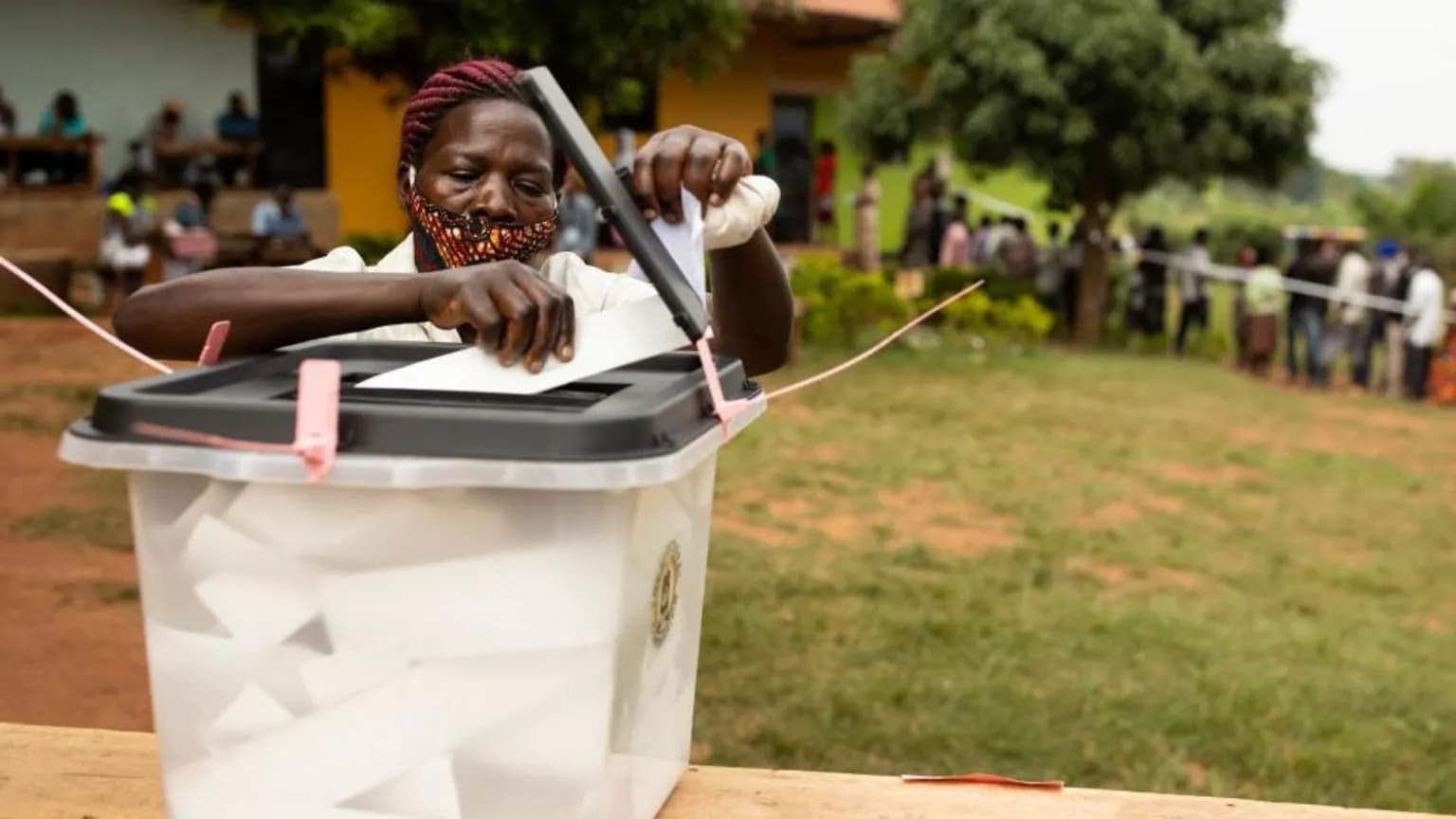
As polling stations open across Uganda, voters are being asked to make one of the most consequential choices in the country’s post-independence history. On the ballot is not merely a contest between two candidates, but a referendum on power, time, and the direction of the nation itself.
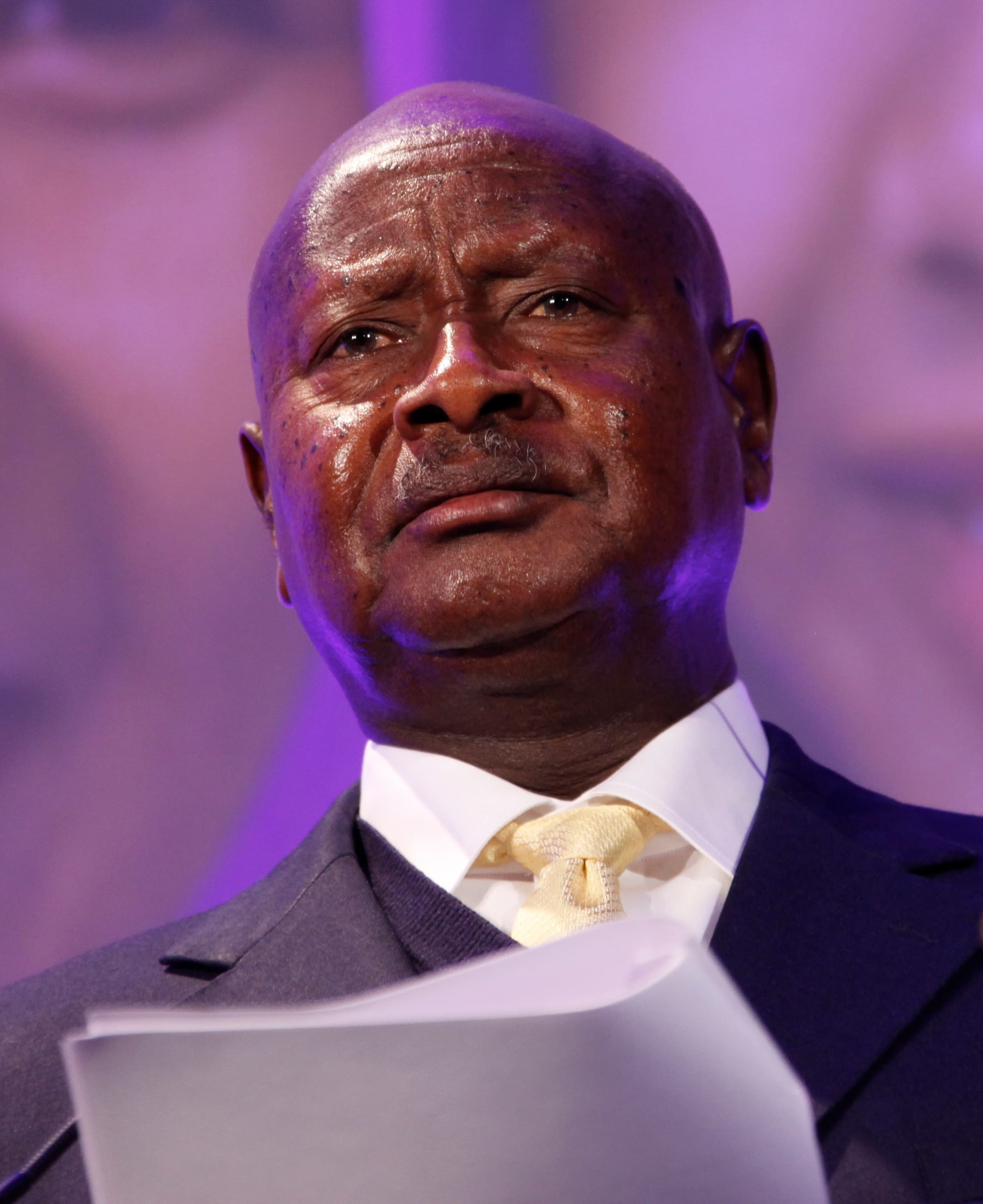
On one side stands President Yoweri Kaguta Museveni, 81, a former guerrilla commander who has governed Uganda since 1986. For nearly four decades, Museveni has defined the Ugandan state—its security doctrine, its political culture, and its relationship with the military. To supporters, he remains the “Old Man of the Hat,” the leader who restored order after years of instability under Idi Amin and Milton Obote. To critics, he has become the embodiment of entrenched power, presiding over an increasingly authoritarian system that resists political change.
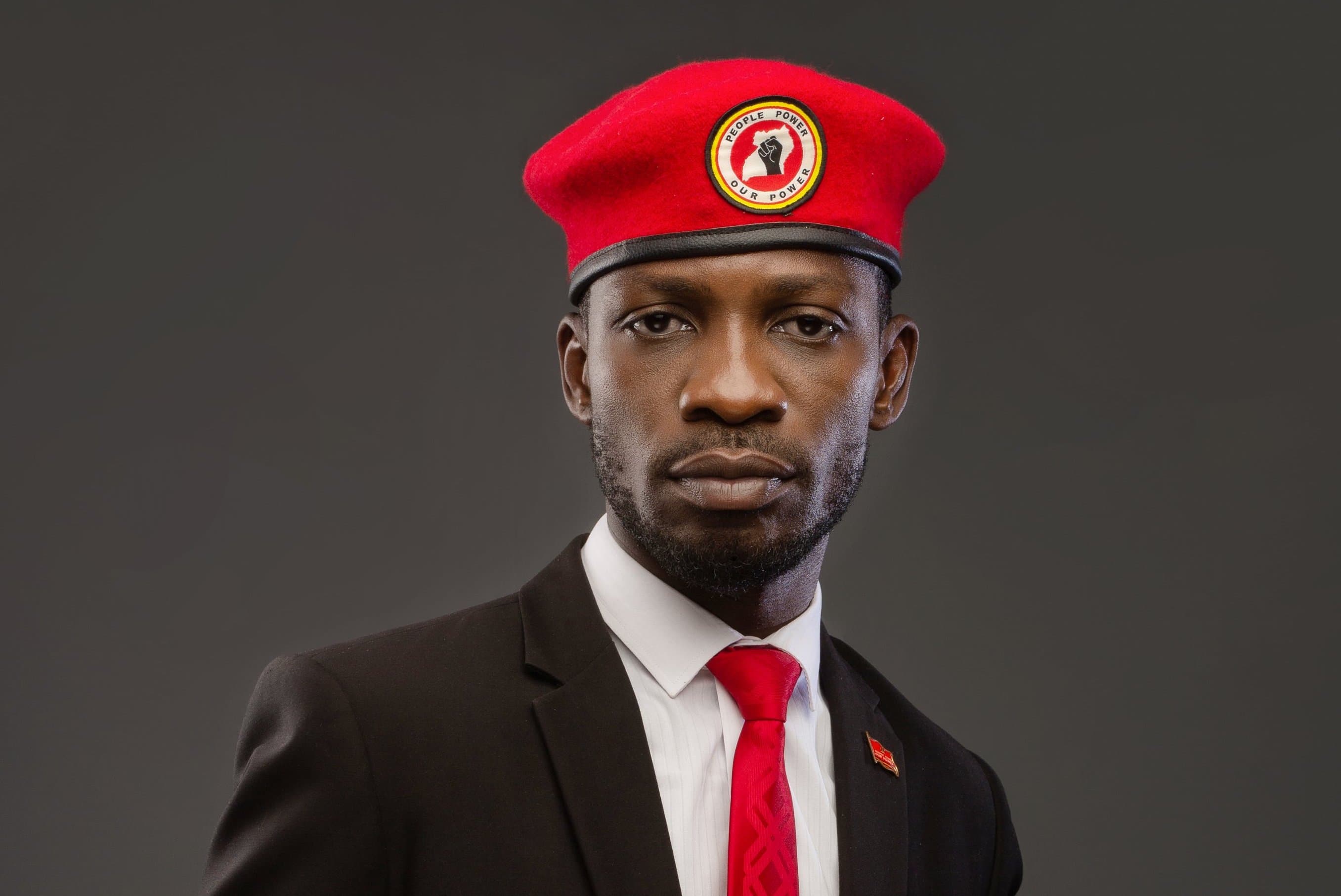
Challenging him is Robert Kyagulanyi Ssentamu, popularly known as Bobi Wine, a 43-year-old musician-turned-politician whose rise has reconfigured Uganda’s opposition politics. Branding himself the “Ghetto President,” Wine has transformed popular frustration—particularly among young Ugandans—into a potent political movement. His signature red beret has become a symbol of resistance, especially for a generation that has known no other president but Museveni.
Uganda is one of the youngest countries in the world, with more than 75 percent of its population under the age of 35. Youth unemployment remains high, the cost of living has risen steadily, and political space has narrowed through restrictive laws, arrests of opposition figures, and heavy-handed policing of protests.
Museveni’s campaign leans heavily on his record. He points to decades of relative stability, economic reforms in the 1990s and 2000s, and Uganda’s role as a regional security partner in East Africa. His message is clear: continuity equals peace, and change risks chaos.
Bobi Wine, by contrast, speaks the language of exclusion and aspiration. His rallies and speeches focus on dignity, opportunity, and democratic renewal. He argues that stability without freedom has become stagnation, and that a government sustained by military force cannot indefinitely claim legitimacy. For his supporters, Wine represents not just opposition, but possibility—a chance to break a cycle of political permanence.
Critics of Bobi Wine have questioned his readiness to govern, arguing that charisma and popular appeal do not substitute for policy depth or administrative experience. Museveni and his allies frequently portray him as a populist figurehead lacking a clear economic or governance blueprint.
Yet Wine’s strength lies precisely where the establishment is weakest: emotional credibility with ordinary citizens. His background in Kampala’s informal settlements, his history of police harassment, and his frequent clashes with security forces have cemented his image as a symbol of lived resistance rather than elite politics.
For Museveni, the challenge posed by Wine has been met less with debate and more with force. The deployment of the military during elections, internet restrictions, and repeated arrests of opposition leaders have drawn criticism from human rights groups and international observers. While the president dismisses Wine as inexperienced, the state’s response suggests deep concern about the appeal of his message.
What Ugandans are deciding today goes beyond personalities. It is a choice between two visions of nationhood: one rooted in security, hierarchy, and a liberation-era legacy; the other driven by generational change, uncertainty, and democratic hope.
Whether the outcome reinforces Museveni’s long-standing grip on power or signals a turning point driven by youth and popular pressure, the election marks a defining moment. Uganda is not simply choosing a president—it is confronting the question of how long liberation credentials can substitute for accountability, and whether a new political era can emerge from the weight of the old.
As votes are cast and counted, the world watches closely. For millions of Ugandans, the result will shape not just the next term of office, but the future character of their state.
Keep the conversation in one place—threads here stay linked to the story and in the forums.
Sign in to start a discussion
Start a conversation about this story and keep it linked here.
Other hot threads
E-sports and Gaming Community in Kenya
Active 9 months ago
The Role of Technology in Modern Agriculture (AgriTech)
Active 9 months ago
Popular Recreational Activities Across Counties
Active 9 months ago
Investing in Youth Sports Development Programs
Active 9 months ago
Key figures and persons of interest featured in this article