We're loading the full news article for you. This includes the article content, images, author information, and related articles.
The first month of life is the most fragile. This guide explains newborn danger signs, why illness escalates quickly, and when immediate care is essential.

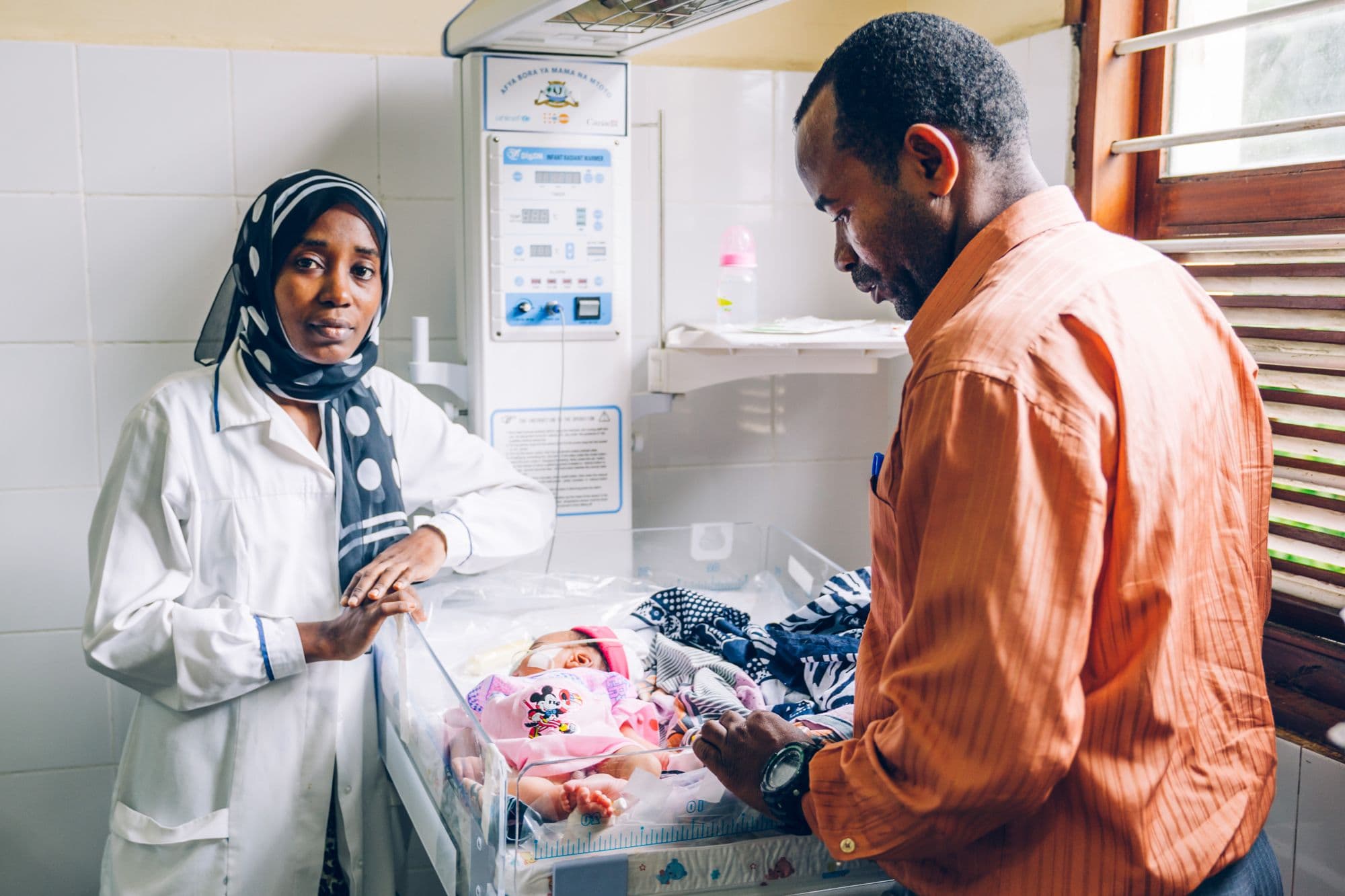
The newborn period — the first 28 days of life — carries the highest risk of death and serious illness in childhood. Most newborns appear healthy at birth, but when problems develop, they can escalate rapidly. This is why early recognition of danger signs is one of the most powerful tools parents and caregivers have.
Medical experts emphasise that newborns do not have the physiological reserves of older children or adults. A condition that might be mild later in life can become life-threatening within hours in a newborn. Waiting for symptoms to “settle” is often the most dangerous response.
Newborn immune systems are immature. Their ability to regulate temperature, fight infection, and maintain blood sugar is limited. As a result, infection, dehydration, or breathing problems can overwhelm the body faster than caregivers expect.
Serious bacterial infections, birth-related complications, breathing disorders, and metabolic problems are among the leading causes of newborn illness. Early treatment dramatically improves survival and long-term outcomes.
Traditional practices and home remedies are often used with good intentions, but they can delay life-saving treatment. In newborns, time lost is tissue lost.
Bottom line: Newborn danger signs are not subtle suggestions. They are alarms. Prompt medical care saves lives and prevents lifelong disability.
Keep the conversation in one place—threads here stay linked to the story and in the forums.
Sign in to start a discussion
Start a conversation about this story and keep it linked here.
Other hot threads
E-sports and Gaming Community in Kenya
Active 9 months ago
The Role of Technology in Modern Agriculture (AgriTech)
Active 9 months ago
Popular Recreational Activities Across Counties
Active 9 months ago
Investing in Youth Sports Development Programs
Active 9 months ago