We're loading the full news article for you. This includes the article content, images, author information, and related articles.
The Federal Reserve’s leadership uncertainty and the stalled nomination of Kevin Warsh are creating global market volatility, impacting economies from Washington to Nairobi.

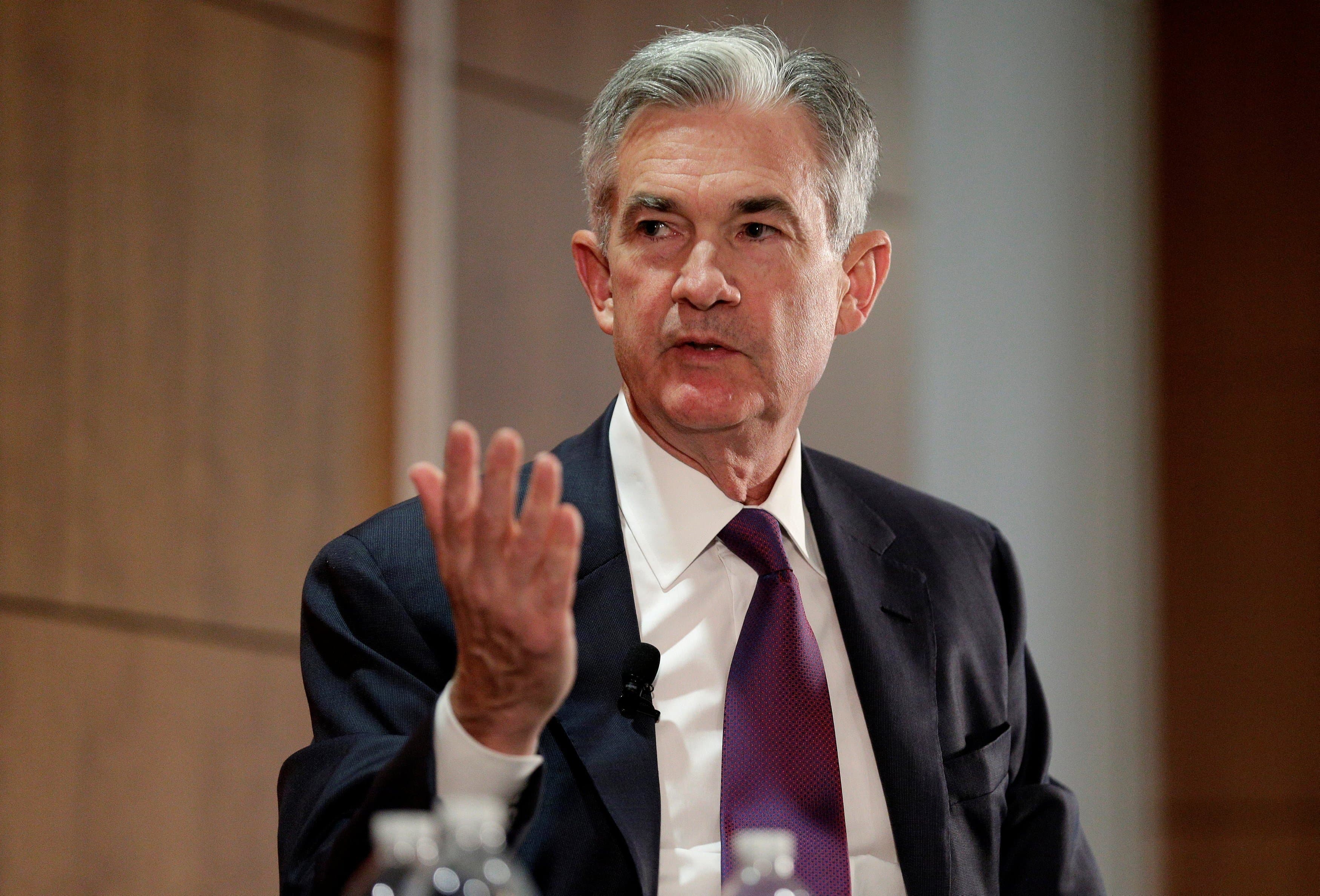
In the quiet, wood-paneled corridors of the Federal Reserve’s Washington headquarters, the atmosphere is not one of a graceful transition, but of a high-stakes standoff that threatens to spill over into the global financial architecture. Federal Reserve Chair Jerome H. Powell has signaled he will remain at the helm beyond his May 15, 2026, term expiration, triggering a constitutional and institutional crisis that has left Wall Street, Nairobi, and every major capital in between bracing for volatility.
This political friction is no longer a localized American spectacle. For global markets and emerging economies like Kenya, the uncertainty surrounding the leadership of the world’s most powerful central bank directly translates to unpredictability in dollar liquidity, interest rate regimes, and international debt servicing. With the United States presidential administration actively maneuvering to install a successor and the legislative branch locked in a partisan bottleneck, the resulting leadership vacuum is effectively freezing critical monetary policy decisions during a time of global economic fragility.
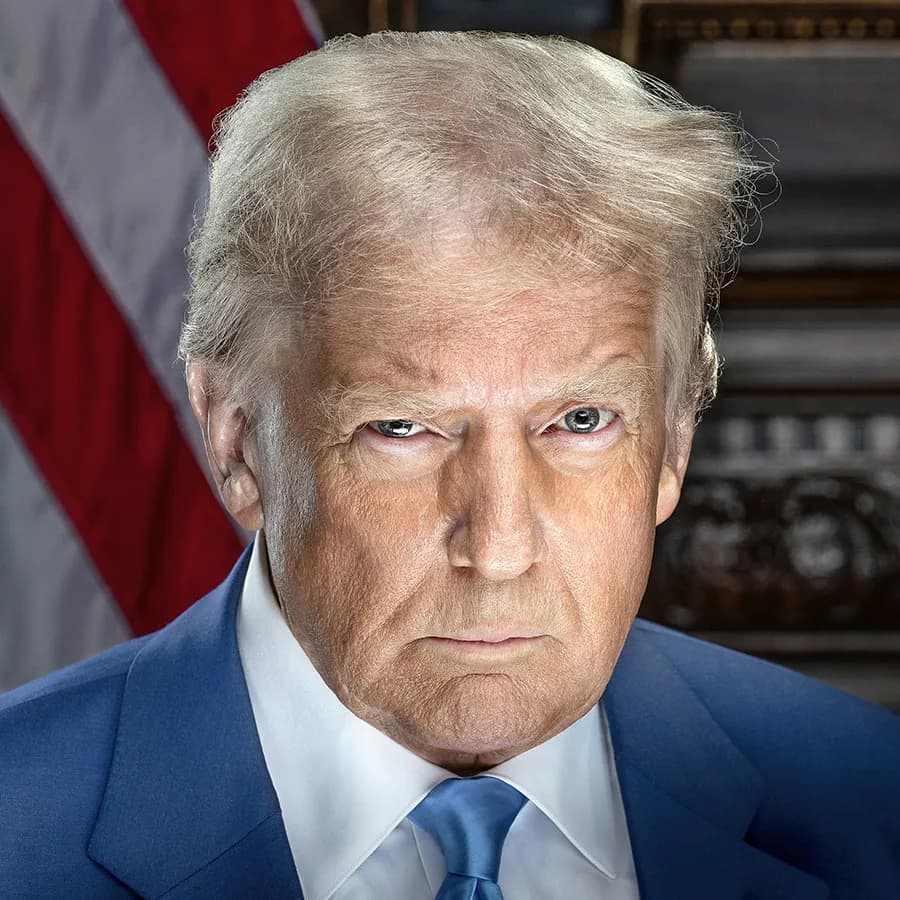
The core of the crisis lies in a bitter dispute between the White House and the Federal Reserve’s entrenched leadership. President Donald J. Trump has nominated former Fed governor Kevin Warsh to succeed Powell, aiming to overhaul the institution’s approach to interest rates and fiscal policy. However, the nomination has hit a hard wall in the Senate. Senator Thom Tillis, a key Republican on the Banking Committee, has effectively blocked the confirmation process, insisting that the Senate cannot proceed while a Justice Department investigation into Jerome Powell’s congressional testimony regarding Fed building renovations remains active.
Powell has leaned into this deadlock, publicly declaring his intention to stay on as Chair should no successor be confirmed by mid-May. This decision has infuriated the administration and complicated the Federal Open Market Committee (FOMC) proceedings. For investors, the dilemma is clear: the Fed is currently a rudderless ship in turbulent waters. With the Iran conflict exacerbating energy costs and fueling inflationary pressures, the FOMC is forced into a cautious, neutral stance that satisfies no one.
For a reader in Nairobi, the political drama in Washington is not abstract it is a direct contributor to the cost of living and the stability of the Kenyan Shilling. The Federal Reserve’s inability to project a clear path for interest rates keeps the US dollar stronger for longer. When the Fed signals a pause rather than a pivot, global capital flows tend to retreat to the safety of US Treasury bonds, draining liquidity from emerging markets.
The Central Bank of Kenya (CBK) finds itself in a precarious position. When the US Federal Reserve keeps rates high, the CBK is often compelled to maintain similarly elevated benchmark lending rates to prevent capital flight and support the Shilling. This dynamic stifles credit growth for Kenyan SMEs, increases mortgage costs, and complicates the government’s efforts to service dollar-denominated external debt. Furthermore, as the Iran-related energy crisis drives up global oil prices, Kenya—an import-dependent economy—is hit with a double-edged sword: the cost of energy is rising, and the currency used to pay for it is under constant, Fed-induced pressure.
The refusal of Powell to step down until the DOJ inquiry concludes highlights a deeper structural vulnerability in the global financial system. Central banks are designed to operate independently of political cycles, but the aggressive politicization of the Fed chair position has undermined this autonomy. Analysts at major investment banks are now pricing in a period of extended policy paralysis. If the Senate cannot confirm a replacement by mid-May, the Federal Reserve will likely avoid any bold interest rate moves, fearful that such actions could be perceived as politically tainted or illegitimate.
This paralysis is being felt on trading floors from London to Tokyo. The market craves stability, and currently, the Fed is offering the opposite. The expectation of a rate cut, once widely anticipated for the summer of 2026, is now being pushed into the indefinite future, with some analysts suggesting that the only certainty for the remainder of the year is more uncertainty.
The endgame for this "Long Goodbye" remains elusive. Should the Justice Department drop its investigation—or should a judge force its hand—the political block in the Senate might dissolve, clearing the way for Warsh to take over. However, even if a new Chair is confirmed, the transition period will likely be marked by friction as the new leadership attempts to undo or recalibrate the legacy of the Powell era.
For global markets, the transition is a reminder that the post-pandemic recovery remains incomplete. The global financial system is not merely waiting for a new Fed Chair it is waiting for an end to the political maneuvering that has brought economic policy to a standstill. Until the leadership of the Federal Reserve is resolved, both domestic and international investors must prepare for a landscape where the primary driver of market behavior is not macroeconomic data, but the political calendar in Washington.
Keep the conversation in one place—threads here stay linked to the story and in the forums.
Sign in to start a discussion
Start a conversation about this story and keep it linked here.
Other hot threads
E-sports and Gaming Community in Kenya
Active 10 months ago
The Role of Technology in Modern Agriculture (AgriTech)
Active 10 months ago
Popular Recreational Activities Across Counties
Active 10 months ago
Investing in Youth Sports Development Programs
Active 10 months ago
Key figures and persons of interest featured in this article