We're loading the full news article for you. This includes the article content, images, author information, and related articles.
A new European Union digital border system is replacing the ink stamp with biometric scans. For Kenyan travellers, this means faster entry, but also new data requirements.
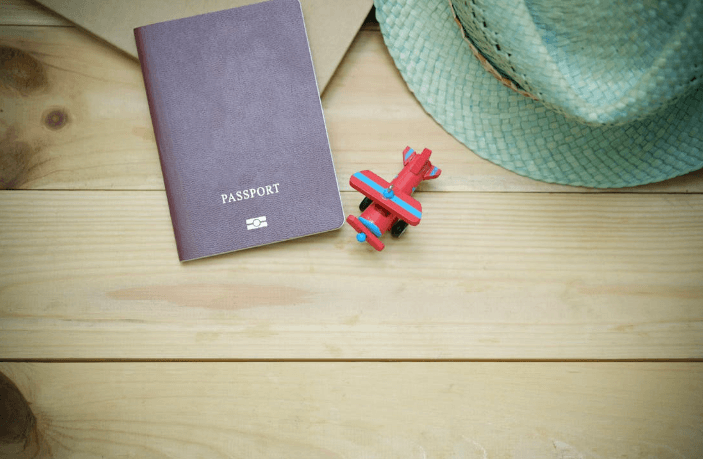
The familiar thud of a passport stamp, a cherished souvenir for many travellers, is fading into history. For Kenyans journeying to Europe, this marks a significant shift in border crossing, promising speed and efficiency at the cost of a long-held tradition.
Starting October 12, 2025, the European Union began phasing in its new Entry/Exit System (EES), an automated digital registry for all non-EU nationals. This system replaces manual passport stamping across 29 European countries, aiming to streamline border control, enhance security, and electronically track visitor stays. The full transition is expected to be complete by April 10, 2026.
Under the new rules, Kenyan citizens arriving in the Schengen Area for the first time will need to register their biometric data. This involves providing a facial image and four fingerprints at an automated kiosk or to a border officer. This digital profile will be linked to your passport and stored for three years, speeding up subsequent trips.
The EES will automatically calculate a traveller's permitted stay—a maximum of 90 days within any 180-day period—making it easier for authorities to identify anyone who overstays their visa. It is important to note that this system does not change Schengen visa requirements; Kenyans who need a visa to enter Europe must still apply for one.
The move towards digital borders is not unique to Europe. Countries like Australia, Singapore, and Argentina have already abandoned ink stamps in favour of more secure and efficient electronic systems. Proponents argue that digital systems reduce the risk of identity fraud, combat illegal migration, and ultimately make travel smoother for legitimate visitors.
For the Kenyan traveller, this means potentially shorter queues and a more modern travel experience. However, it also brings new responsibilities. Travellers are encouraged to ensure they have a biometric (chip-enabled) passport and to be prepared for the initial registration process, which could cause some delays during the rollout period.
While the romance of a stamped-filled passport may be ending, the EU emphasizes that the goal is a safer and more seamless journey. As this digital wave transforms global travel, the key for Kenyans will be to stay informed and prepared for the new procedures at Europe's front door.
Keep the conversation in one place—threads here stay linked to the story and in the forums.
Sign in to start a discussion
Start a conversation about this story and keep it linked here.
Other hot threads
E-sports and Gaming Community in Kenya
Active 9 months ago
The Role of Technology in Modern Agriculture (AgriTech)
Active 9 months ago
Popular Recreational Activities Across Counties
Active 9 months ago
Investing in Youth Sports Development Programs
Active 9 months ago



