We're loading the full news article for you. This includes the article content, images, author information, and related articles.
A sharp surge in non-communicable diseases is colliding with entrenched infectious epidemics, creating a devastating dual burden that threatens to overwhelm Kenya's critically understaffed healthcare infrastructure.
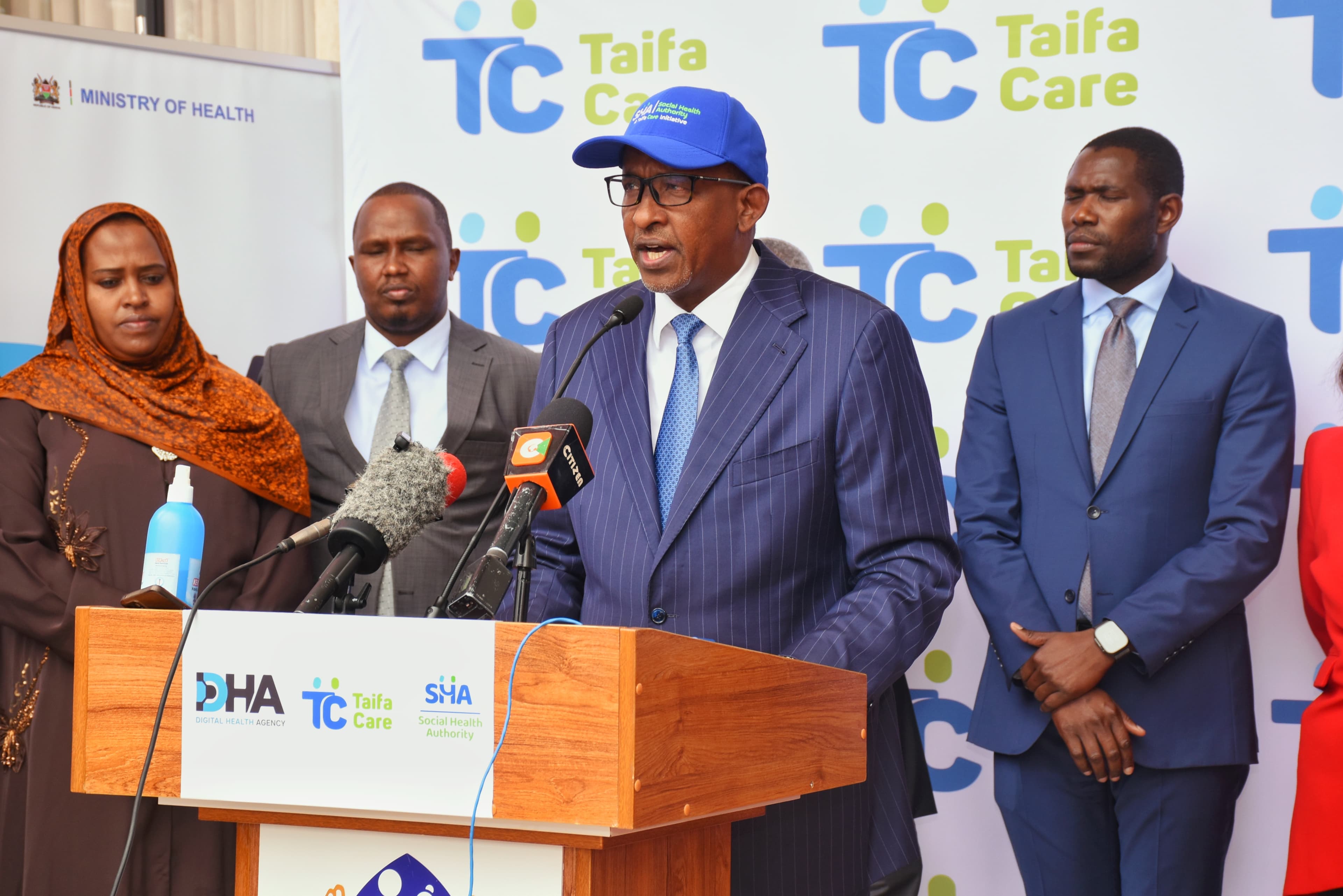
Kenya's hospital wards are painting a grim picture of a nation caught in a deadly epidemiological transition, where patients battling modern lifestyle diseases share scarce resources with those fighting ancient infections.
The newly released 2025 Population Situation Analysis Report serves as a harrowing wake-up call for health policymakers. With non-communicable diseases (NCDs) now responsible for 40 per cent of all national mortalities, and maternal death rates remaining five times above global targets, the government must radically overhaul its medical supply chains and workforce training to avert an imminent public health collapse.
For generations, Kenya's primary medical adversaries were malaria, tuberculosis, and HIV. While these infectious threats remain aggressively widespread, they have been joined by an equally lethal, yet stealthier opponent. Heart disease, diabetes, cancer, and severe mental health disorders are surging at unprecedented rates across both urban and rural demographics.
Health experts note that conditions once considered rare anomalies in public hospitals are now completely overwhelming the system. The infrastructure, originally designed and funded to combat acute infections, is structurally incapable of managing the chronic, lifelong care required by NCD patients.
Dr. Mohamed A. Sheikh, Director General of the National Council for Population and Development, emphasized that the simultaneous battle against old and new epidemics is being fought without adequate staffing or essential supplies.
Nowhere is this systemic fragility more tragic than in Kenya's maternity wards. The country's maternal mortality rate remains stubbornly anchored at 355 deaths per 100,000 live births, severely missing the Sustainable Development Goal target of 70.
Geography acts as a brutal determinant of survival. In arid northern counties like Mandera and Wajir, pregnant women face exponentially higher risks compared to those in Nairobi. The causes of death—post-partum haemorrhage, eclampsia, and obstructed labour—are universally preventable with timely medical intervention.
Even when patients reach facilities, they are frequently met with empty pharmacy shelves. Procurement delays and opaque administrative bottlenecks mean that critical medications—from antibiotics and anti-malarials to insulin—are routinely out of stock, forcing impoverished families into devastating out-of-pocket expenses.
The human cost is borne by the severely overstretched medical workforce. Single nurses often serve catchment areas exceeding 10,000 people, simultaneously delivering babies, administering vaccines, and attempting to manage complex chronic illnesses without the necessary diagnostic equipment.
"These deaths are not inevitable; they are a direct consequence of a system failing to adapt to a changing population, demanding integrated primary care immediately," Dr. Sheikh concluded.
Keep the conversation in one place—threads here stay linked to the story and in the forums.
Sign in to start a discussion
Start a conversation about this story and keep it linked here.
Other hot threads
E-sports and Gaming Community in Kenya
Active 9 months ago
The Role of Technology in Modern Agriculture (AgriTech)
Active 9 months ago
Popular Recreational Activities Across Counties
Active 9 months ago
Investing in Youth Sports Development Programs
Active 9 months ago