We're loading the full news article for you. This includes the article content, images, author information, and related articles.
An in-depth analysis of the 2025 KCSE results, arguing that the high failure rates in day schools reflect a systemic funding crisis that threatens to create a "lost generation."
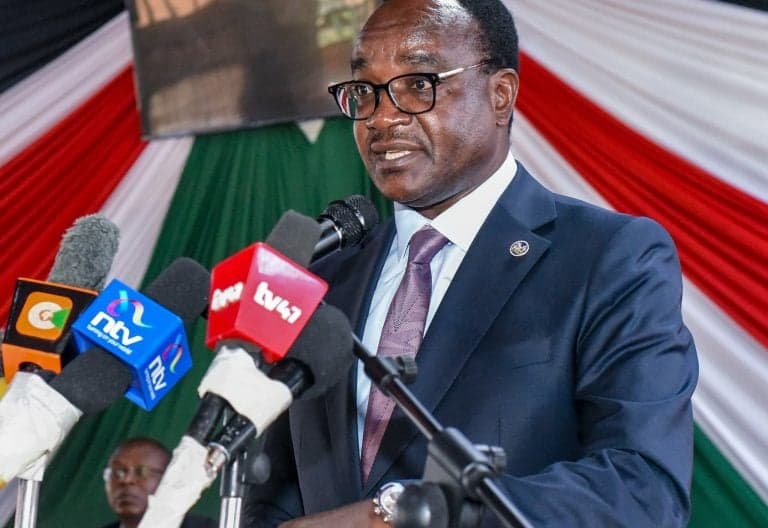
The dust has settled on the 2025 KCSE release, and the numbers tell a harrowing story. While we celebrate the 1,900 'A' students, a quiet tragedy is unfolding in the background: over 300,000 candidates scored a D+ or below. This "mass failure" is not a reflection of student incapacity, but of a system on the brink of collapse.
The case of St. Thomas Raganga, where an entire cohort failed to secure a single university entry grade, is not an outlier; it is the norm for day schools across the country. The data reveals a stark class divide: success is becoming the exclusive preserve of well-funded National Schools and private academies, while the "Free Day Secondary Education" sector is producing casual laborers.
Education experts point to the delayed capitation funds as the root cause. "You cannot teach Physics without a lab, and you cannot teach anything on an empty stomach," notes education analyst Dr. Wandia Njoya. Schools went for months in 2025 without operating funds, leading to a teacher shortage crisis where PTA-hired teachers were laid off en masse.
Kenya needs a "Marshall Plan" for its sub-county schools. Until we equalize the learning environment, the KCSE will remain an annual ritual of inequality, validating the privilege of the few while condemning the majority to the periphery of the economy.
Keep the conversation in one place—threads here stay linked to the story and in the forums.
Sign in to start a discussion
Start a conversation about this story and keep it linked here.
Other hot threads
E-sports and Gaming Community in Kenya
Active 9 months ago
The Role of Technology in Modern Agriculture (AgriTech)
Active 9 months ago
Popular Recreational Activities Across Counties
Active 9 months ago
Investing in Youth Sports Development Programs
Active 9 months ago