We're loading the full news article for you. This includes the article content, images, author information, and related articles.
The vibrant streets of East Africa are witnessing a fascinating sartorial evolution as the highly controversial, viral trend of the backless dera slowly fades, giving way to traditional modesty.
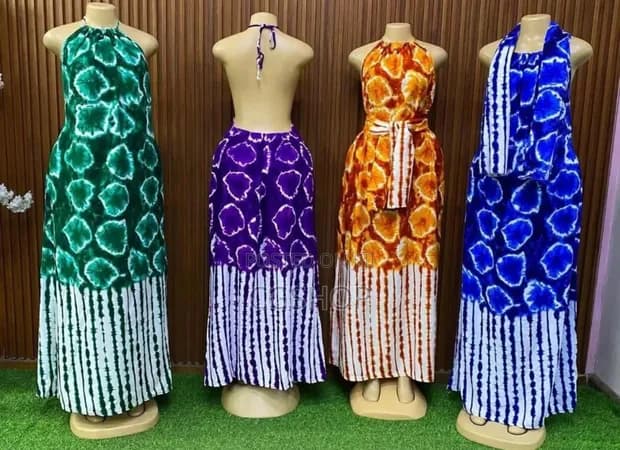
The vibrant streets of East Africa are witnessing a fascinating sartorial evolution as the highly controversial, viral trend of the backless dera slowly fades, giving way to a resurgence of traditional modesty and changing generational tastes.
What began as a daring online fashion statement is now confronting the realities of cultural durability.
For decades, the dera has served as the undisputed cornerstone of coastal Swahili and Somali feminine attire. Characterized by its loose, flowing silhouette and brilliantly dyed, breathable cotton fabrics, it was the ultimate symbol of dignified comfort. However, the relentless churn of the digital influencer economy temporarily hijacked this traditional garment, birthing a modified, highly provocative iteration that fractured public opinion from the beaches of Mombasa to the urban sprawl of Nairobi.
To understand the magnitude of the backless dera craze, one must first appreciate the garment's historical weight. The traditional dera is engineered for the sweltering coastal climate, offering full-body coverage while maintaining unparalleled thermal comfort. It transcended socio-economic barriers, worn with equal pride by market vendors and affluent matriarchs. Its primary architectural feature was modesty—a cultural non-negotiable in the predominantly conservative, Islamic-influenced coastal regions of East Africa.
However, the intervention of globalized Gen Z fashion aesthetics triggered a radical redesign. Young, urban tailors began aggressively modifying the neckline and entirely removing the rear panel of the garment, replacing it with intricate cross-stitching or leaving it completely bare. This hybrid garment retained the vivid, hypnotic prints of the traditional dera but weaponized its silhouette for the modern social media algorithm. The result was an overnight viral sensation that dominated TikTok feeds and high-end weekend parties.
The explosive popularity of the backless dera was a testament to the power of digital disruption in the regional textile industry. Almost immediately, local markets such as Eastleigh and Marikiti were flooded with ready-to-wear backless variations. The garment became the de facto uniform for urban nightlife and coastal vacations, celebrated for its bold synthesis of heritage print and contemporary audacity. It symbolized a youthful rebellion—a deliberate, aesthetic break from the strict sartorial expectations of the older generation.
Economically, the craze provided a massive, albeit temporary, stimulus to independent tailors and fabric merchants. The demand for custom modifications skyrocketed, allowing agile, youth-oriented fashion startups to capture significant market share. Yet, this rapid commercialization also stripped the garment of its cultural context, reducing a respected traditional item to a fleeting, mass-produced commodity engineered strictly for visual consumption on digital platforms.
Despite its meteoric rise, the backless dera craze is currently experiencing a precipitous decline. The primary catalyst for this fade is intense cultural pushback. Conservative community leaders and cultural purists mounted a sustained critique against the garment, arguing it was a gross bastardization of a dignified cultural artifact. This societal pressure gradually eroded the garment's appeal, rendering it socially unacceptable in many family and community settings.
Furthermore, the relentless, hyper-accelerated nature of modern fashion cycles guarantees that viral trends burn out as quickly as they ignite. As the novelty evaporated, consumers began migrating back to the authentic, full-coverage dera, recognizing its superior versatility and enduring elegance. The backless iteration, once the vanguard of rebellious fashion, is now being relegated to the archives of fleeting internet phenomena, a stark reminder that true cultural staples cannot be permanently rewritten by a momentary hashtag.
"Fashion trends dictate the weekend, but true cultural heritage dictates the century."
Keep the conversation in one place—threads here stay linked to the story and in the forums.
Sign in to start a discussion
Start a conversation about this story and keep it linked here.
Other hot threads
E-sports and Gaming Community in Kenya
Active 9 months ago
The Role of Technology in Modern Agriculture (AgriTech)
Active 9 months ago
Popular Recreational Activities Across Counties
Active 9 months ago
Investing in Youth Sports Development Programs
Active 9 months ago