We're loading the full news article for you. This includes the article content, images, author information, and related articles.
The world’s 20 richest people now hold $3.8 trillion, a 12-figure fortune club that challenges global equality and redefines economic power in 2026.

A new economic aristocracy has emerged. According to the 2026 Forbes World’s Billionaires list, a mere 20 individuals now command fortunes exceeding $100 billion each, a 12-figure threshold that was once the domain of legends but is now the standard for the modern tech elite. These 20 "centibillionaires" collectively hold an astonishing $3.8 trillion—a sum roughly equivalent to 493 trillion Kenyan Shillings (KES)—shaping a global financial landscape where the gap between the ultra-elite and the rest of the world has never been wider.
This unprecedented concentration of capital at the apex of the global economy is not merely a statistical anomaly. It is the defining feature of our era, representing a fundamental shift in how power is exercised. For a global citizen in Nairobi or elsewhere, these numbers are not just abstract wealth they represent the resources that could fund entire national health systems, climate resilience projects, and education initiatives, yet remain locked in the volatility of global equity markets and the monopolistic grip of a handful of tech giants.
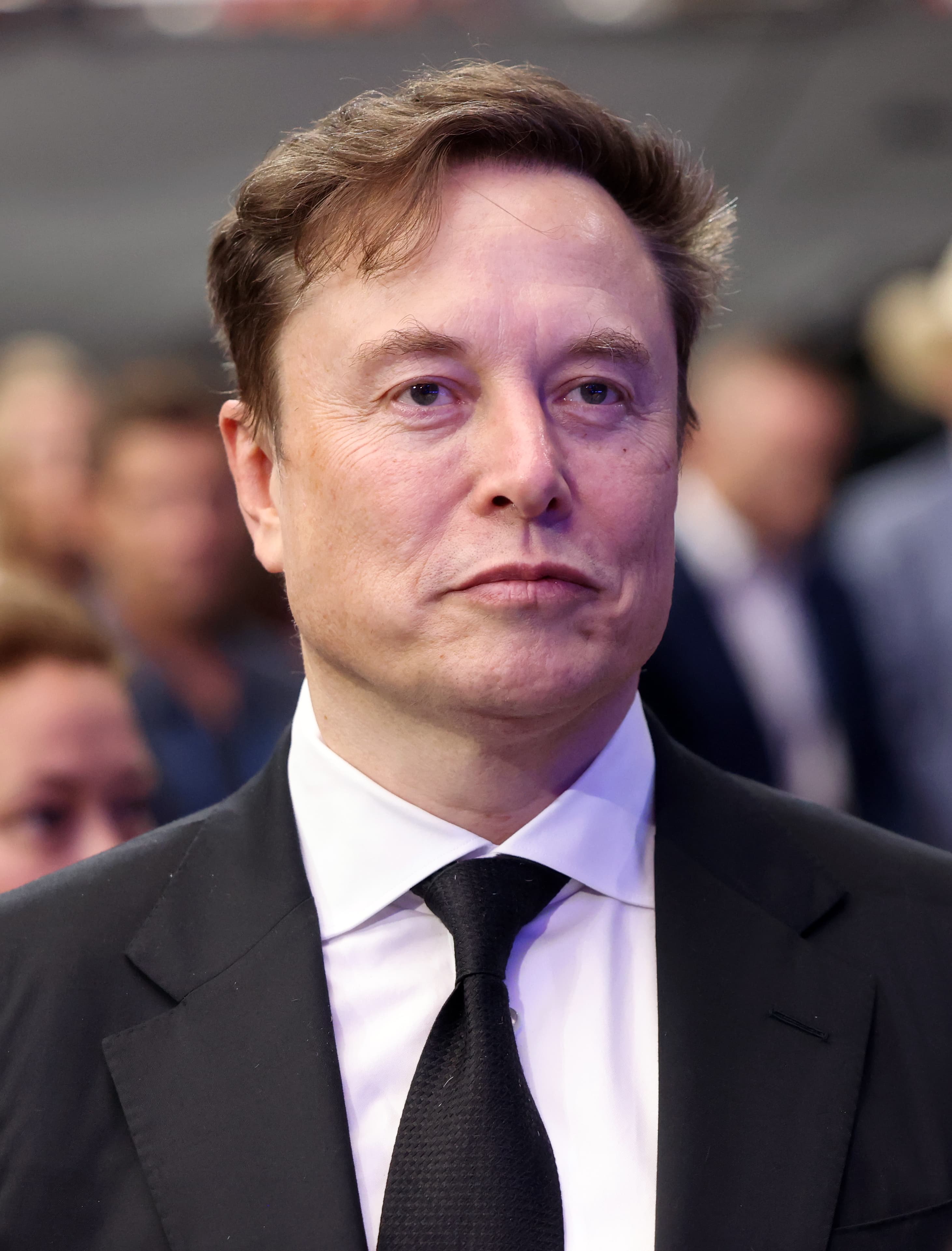
The entry requirements for this exclusive club have skyrocketed alongside the valuations of Artificial Intelligence and digital platform companies. Where wealth was once built on manufacturing, commodities, or retail over generations, these fortunes have been minted in years, driven by the hyper-scaling nature of software and cloud computing. The concentration is such that these 20 individuals, who represent less than 0.6 percent of the world’s 3,428 billionaires, now control nearly 19 percent of all billionaire wealth on the planet. The list, anchored by figures like Elon Musk, who has scaled his fortune to record heights, highlights a market reality where stock price surges in a single quarter can add the equivalent of a mid-sized nation’s GDP to a single person’s net worth.
In Nairobi, and across the East African region, this level of concentration poses a challenging intellectual and political question. When a single individual’s net worth—converted to local currency—dwarfs the national budget of a country like Kenya, which stands at approximately KES 3.9 trillion for the fiscal year, the structural disparity becomes impossible to ignore. This is not about resentment of success, but about the structural integration of these massive fortunes into the global economic framework. As these titans influence global policy, trade, and even the direction of AI development, the voices of the Global South often find themselves navigating a world defined by the investment priorities of these few, rather than the developmental needs of the many.
Economic analysts at leading institutions are increasingly flagging this trend. The World Inequality Report 2026, released earlier this year, highlights that while wealth at the very top has grown at nearly double the rate of the global middle class since the 1990s, the "geography of opportunity" remains stagnant for the bottom 50 percent of the global population. Education spending per child in sub-Saharan Africa, for instance, remains a fraction of that in North America, a disparity that prevents the kind of human capital accumulation that could challenge the current technological hegemony.
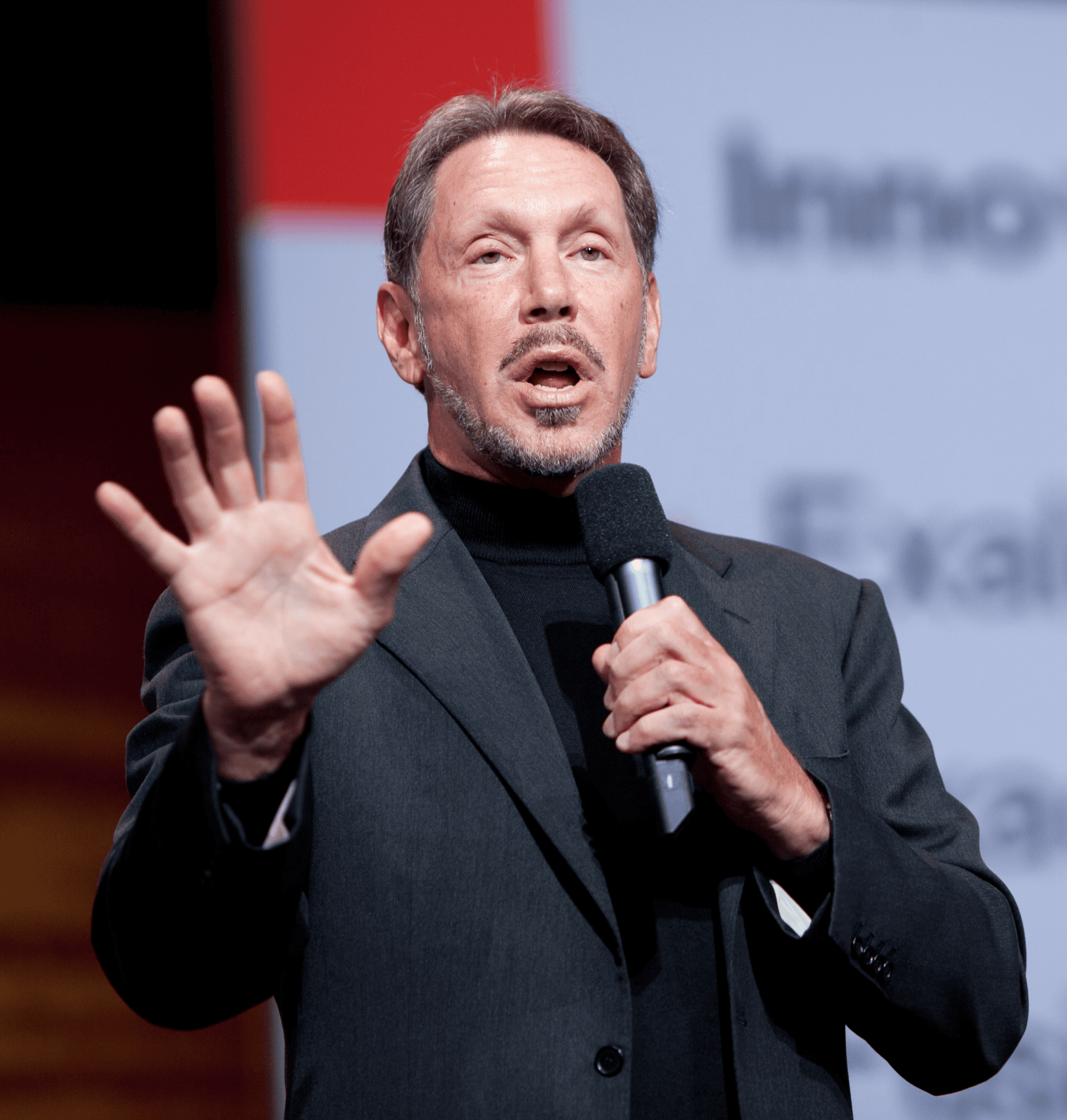
The vulnerability of this immense wealth lies in its heavy reliance on market valuation. These are not cash piles in a vault they are highly leveraged assets tied to the future performance of specific technology stocks. As seen with figures like Oracle’s Larry Ellison, who experienced a massive swing in his net worth within a six-month period, these fortunes are subject to the same volatility that keeps central bankers awake at night. However, unlike the average investor, these centibillionaires possess the ability to influence market sentiment through their public statements, social media platforms, and massive lobbying efforts.
Critics argue that the concentration of such wealth creates a "policy capture" environment. When a handful of individuals controls the infrastructure of modern communication, global trade, and information, democratic institutions struggle to enforce competitive fairness or equitable taxation. The debate over global minimum taxes and wealth redistribution is no longer a fringe academic topic it is at the center of the global policy agenda, with economists such as Joseph Stiglitz advocating for more aggressive monitoring of these assets, similar to how the global community monitors climate risks.
For entrepreneurs in hubs like Westlands or Kilimani, the reality of this 12-figure club feels distant yet omnipresent. The digital platforms used by local businesses—from ride-hailing apps to payment gateways—are often owned or heavily invested in by the very entities controlled by these centibillionaires. There is a palpable tension between the undeniable efficiency these platforms provide and the extractive nature of their business models, which frequently drain liquidity from local economies to serve centralized global hubs.
The path forward remains uncertain. As the 2026 data confirms, the trend towards concentration is not slowing it is accelerating. The question facing global policymakers is not just whether to tax this wealth, but how to ensure that the engine of global innovation—which produced these fortunes—does not become an engine of permanent structural inequality. The 20 members of the $100 billion club are not just the richest people in history they are the architects of the future, for better or for worse.
As these fortunes continue to swell, the world must decide if the current trajectory is sustainable. A global economy where 20 people possess more financial power than the GDP of entire continents may well be nearing a breaking point. The real measure of progress in the coming decade will not be how many more people join this exclusive list, but how effectively we can distribute the dividends of global growth to those who need them most.
Keep the conversation in one place—threads here stay linked to the story and in the forums.
Sign in to start a discussion
Start a conversation about this story and keep it linked here.
Other hot threads
E-sports and Gaming Community in Kenya
Active 9 months ago
The Role of Technology in Modern Agriculture (AgriTech)
Active 9 months ago
Popular Recreational Activities Across Counties
Active 9 months ago
Investing in Youth Sports Development Programs
Active 9 months ago
Key figures and persons of interest featured in this article