We're loading the full news article for you. This includes the article content, images, author information, and related articles.
Forbes 2026 celebrity billionaires list reveals shift from performance wages to ownership. Kenya`s creative economy observes with parallel growth.

The red carpet is no longer merely a venue for public appearance for the world’s elite, it has become a high-stakes boardroom. As Forbes released its 2026 ranking of celebrity billionaires this week, the data revealed a seismic shift in how fame is converted into enduring economic power. The era of the celebrity as a high-paid contractor, reliant on film studios or record labels for a paycheck, has definitively ended. In its place, a new archetype has emerged: the brand-owning mogul.
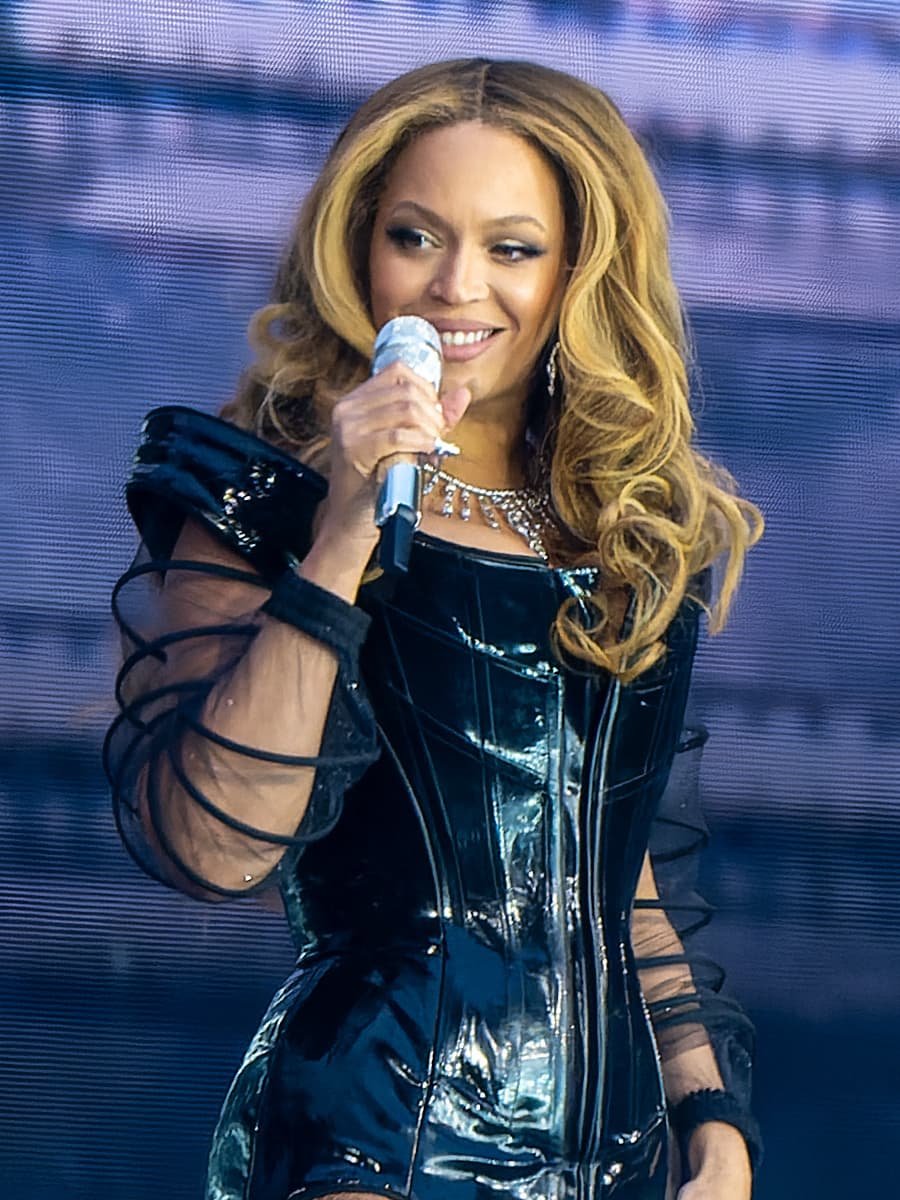
This year’s findings, which identify 22 celebrity billionaires worth a staggering collective $48.1 billion (approximately KES 6.3 trillion), are not just a measure of vanity. They represent the maturing of the attention economy. Where earlier generations of stars amassed wealth through performance fees, the current class of billionaires—including new entrants like Beyoncé Knowles-Carter, Roger Federer, and James Cameron—have leveraged their cultural influence to command equity. They are no longer the talent they are the owners, investors, and primary stakeholders in the platforms that distribute their work.
The transition from wages to ownership is the defining economic development of the entertainment sector in 2026. According to market analysis, the reliance on traditional studio contracts has plummeted in favor of direct-to-consumer pipelines, where stars retain intellectual property rights and use their platform to build multi-sector conglomerates. This phenomenon is perhaps best exemplified by the Skims model, which has transformed reality television fame into a $5 billion business valuation, and the music industry’s pivot toward independent label ownership.
The Forbes data confirms this trajectory:
For the average global citizen, this consolidation of wealth signals a narrowing pipeline of influence. When a single cultural figure controls both the creative output and the manufacturing platform, the competition for market share shifts from talent to sheer capital deployment. This is not just a trend for the American market it is a blueprint being exported globally, with significant implications for emerging economies like Kenya.
In Nairobi, the parallels to this global shift are becoming increasingly visible. Kenya’s creative economy, which now contributes an estimated 5% to the national GDP, is undergoing a similar maturation process. While Kenyan creators may not yet be striking ten-figure deals on the scale of their global counterparts, the move toward "creator-as-entrepreneur" is defining the local market. From the rise of digital-first content creators leveraging M-Pesa integrated platforms for monetization to the burgeoning fashion and design sectors, the objective remains the same: bypass intermediaries.
Economic analysts in Nairobi argue that the potential for local creators to reach billionaire status—or at least institutional-level wealth—rests on their ability to formalize their operations. Currently, a significant portion of Kenya’s creative output remains informal, limiting access to the kind of capital and legal protection that anchors the wealth of the Forbes 22. As the creative sector professionalizes, the challenge for Kenyan talent will be the same one faced by global stars: capturing the value of their own distribution networks.
However, the rise of the celebrity billionaire is not without its critics. Economists warn that the concentration of capital in the hands of individuals whose power derives from social influence rather than industrial productivity creates a volatile market. When a brand’s valuation is pegged to the personal reputation of an individual, the economic system becomes susceptible to the whims of public opinion. Furthermore, the blurring of lines between art and advertising risks commodifying cultural expression to an extent that suppresses dissenting voices.
There is also the matter of wealth disparity. As these 22 individuals amass fortunes exceeding the annual budgets of some mid-sized nations, the question of societal impact becomes unavoidable. Are these figures merely architects of their own empires, or do they carry a responsibility to the public spheres they dominate? As the world enters the second quarter of 2026, the global economy is watching closely to see if this new tier of billionaire will act as a stabilizing force or as a catalyst for further market fragmentation.
The era of the celebrity is far from over, but its nature has fundamentally changed. The stars of today are not just appearing on screens they are building the screens, the networks, and the economic infrastructure that defines our digital existence. Whether this centralization of power will ultimately serve the public interest or simply entrench a new, more pervasive form of elite influence remains the defining question for the next decade of global capitalism.
Keep the conversation in one place—threads here stay linked to the story and in the forums.
Sign in to start a discussion
Start a conversation about this story and keep it linked here.
Other hot threads
E-sports and Gaming Community in Kenya
Active 9 months ago
The Role of Technology in Modern Agriculture (AgriTech)
Active 9 months ago
Popular Recreational Activities Across Counties
Active 9 months ago
Investing in Youth Sports Development Programs
Active 9 months ago
Key figures and persons of interest featured in this article