We're loading the full news article for you. This includes the article content, images, author information, and related articles.
The government unveils a biotech strategy to mass-produce drought-resistant seedlings, aiming to achieve its 15 billion tree target while creating jobs for youth groups.
The government’s ambitious plan to plant 15 billion trees by 2032 has hit a logistical snag: a shortage of high-quality seeds. In response, the Kenya Forestry Research Institute (KEFRI) has unveiled a new biotechnology strategy to mass-produce drought-resistant seedlings capable of surviving the country’s erratic climate.
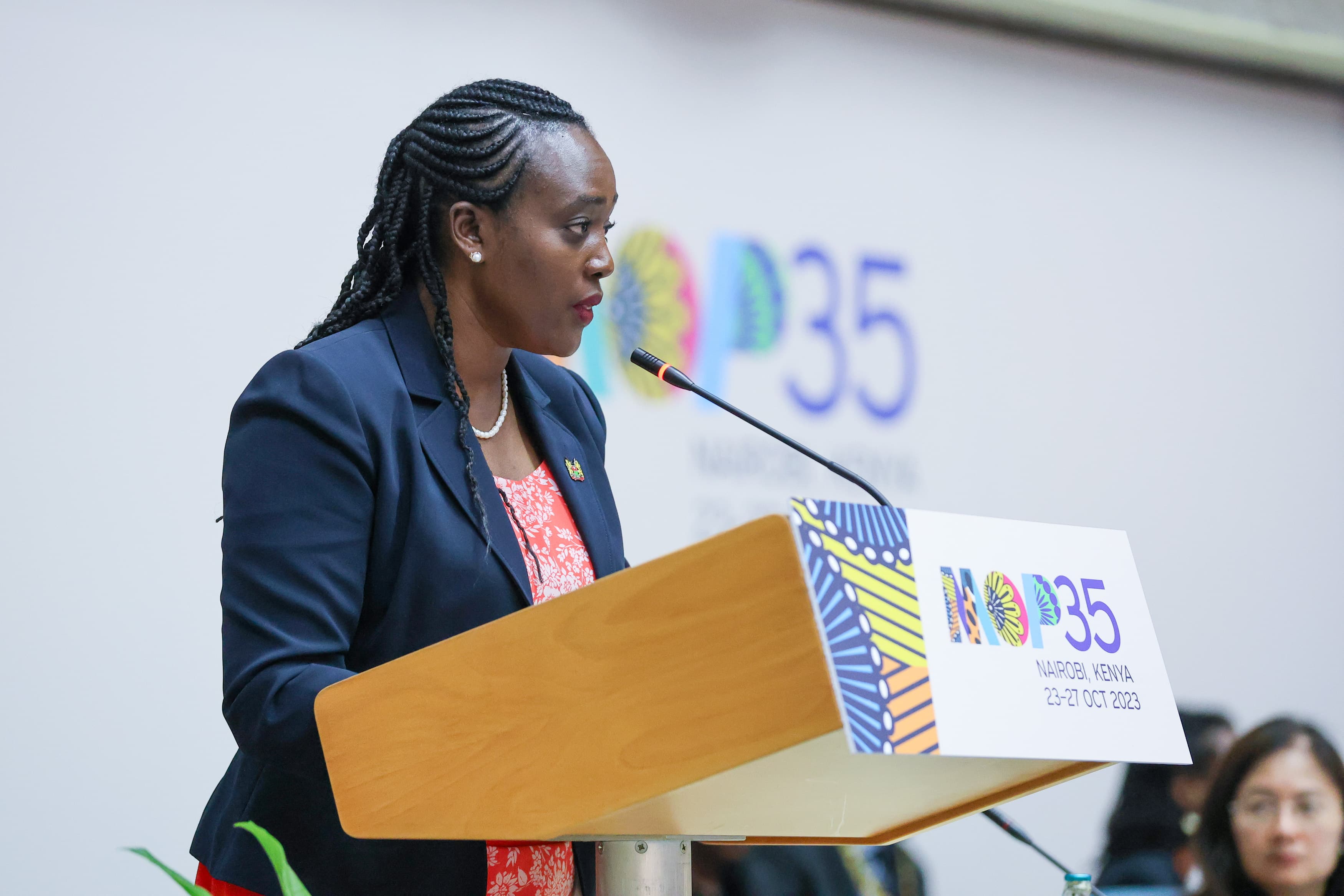
Environment Cabinet Secretary Soipan Tuya announced the establishment of 18 new "seed centers" across the country. These facilities will use tissue culture technology to clone elite tree varieties that mature faster and require less water, a critical adaptation for Kenya’s arid north.
"Conservation must make cents to make sense," Tuya quipped. The strategy involves empowering youth groups and Community Forest Associations (CFAs) to run commercial tree nurseries. The government has committed to buying 30% of its seedlings from these groups, turning the green initiative into a job creation engine.
The success of this plan hinges on the arid counties. With new species like Melia volkensii (Mukau) being promoted for drylands, the government is betting that science can turn the brown map green. It is a race against desertification, and the seedlings are the ammunition.
Keep the conversation in one place—threads here stay linked to the story and in the forums.
Sign in to start a discussion
Start a conversation about this story and keep it linked here.
Other hot threads
E-sports and Gaming Community in Kenya
Active 9 months ago
The Role of Technology in Modern Agriculture (AgriTech)
Active 9 months ago
Popular Recreational Activities Across Counties
Active 9 months ago
Investing in Youth Sports Development Programs
Active 9 months ago
Key figures and persons of interest featured in this article