We're loading the full news article for you. This includes the article content, images, author information, and related articles.
The Central Bank of Kenya has delivered 10 consecutive rate cuts since it began easing in August 2024, demonstrating a focused, gradual strategy to stimulate an economy operating below its true potential.
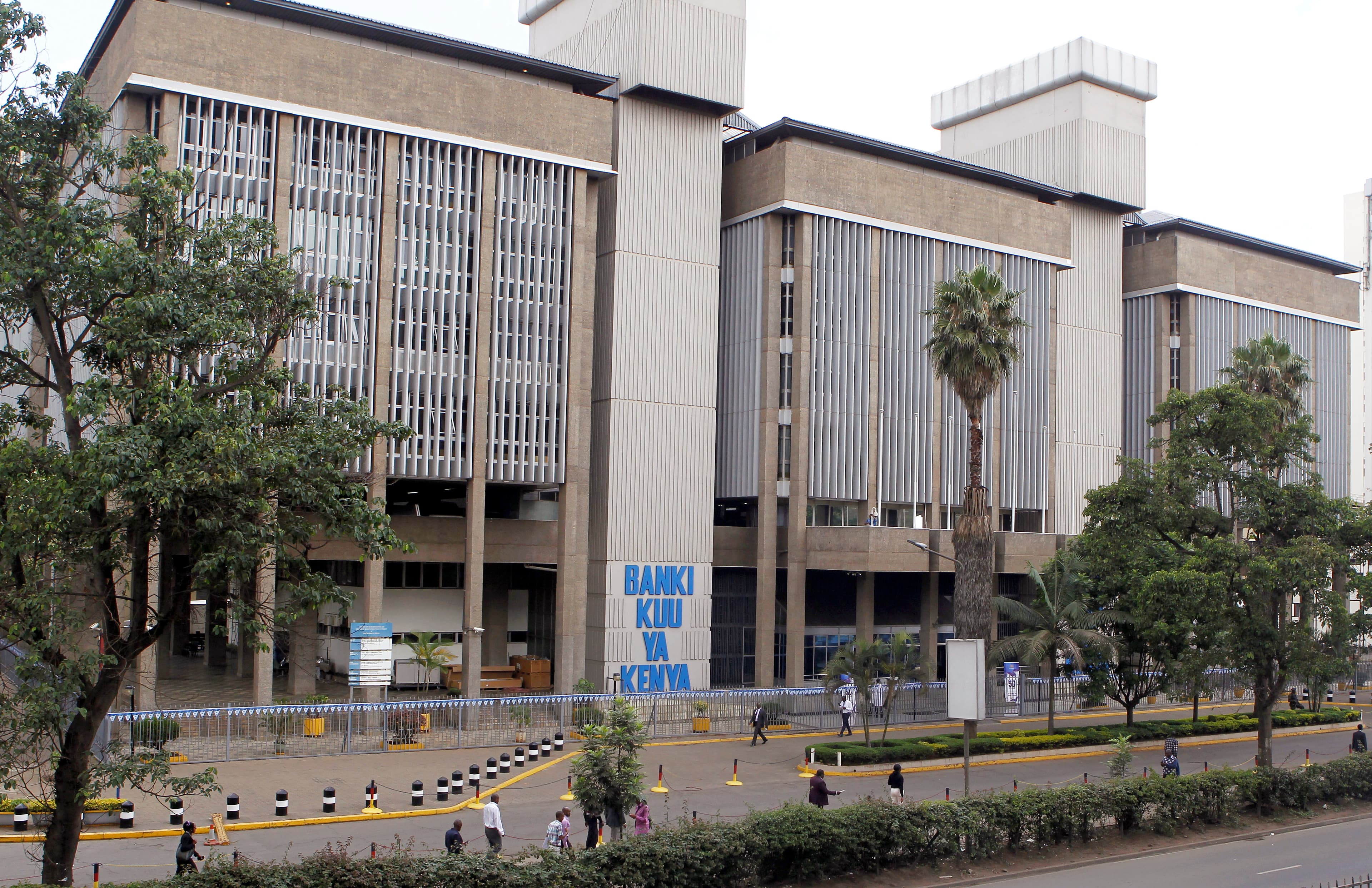
The Central Bank of Kenya has delivered 10 consecutive rate cuts since it began easing in August 2024, demonstrating a focused, gradual strategy to stimulate an economy operating below its true potential.
Inflation remains the apex predator in the ecosystem of global finance, and Kenya is currently navigating one of its most delicate monetary policy transitions in recent history. The Central Bank of Kenya (CBK) is engaged in a high-stakes balancing act to lower borrowing costs without reigniting the flames of inflation.
This economic maneuvering matters immensely because it directly dictates the cost of credit for millions of Kenyan businesses and households. As the nation grapples with a persistent negative output gap, the trajectory of these interest rates will determine whether the economy can achieve a desperately needed recovery or sink deeper into stagnation.
Under the stewardship of CBK Governor Dr. Kamau Thugge, the monetary policy approach has been notably deliberate and sustained. Since the pivot to an easing cycle in August 2024, the institution has executed an unprecedented 10 consecutive rate cuts. This pattern reveals a clear philosophy: Thugge favors a gradual, consistent lowering of rates over dramatic, front-loaded shocks to the system. This method is designed to provide markets with predictability while continuously assessing the lingering inflationary pressures stemming from global supply chain disruptions and local fiscal policies.
The primary catalyst for this sustained easing is the recognition that Kenya is suffering from a severe "negative output gap." In macroeconomic terms, this means the economy is operating significantly below its maximum potential capacity. Factories are not running at full speed, unemployment remains stubbornly high, and consumer demand is deeply suppressed by eroded purchasing power. By systematically lowering the Central Bank Rate (CBR), the CBK aims to inject liquidity into the banking system, encouraging commercial banks to lend to the private sector at more affordable rates, thereby stimulating investment and consumption.
Kenya's battle against inflation cannot be viewed in isolation; it is deeply intertwined with global economic currents. Central bankers worldwide, from the US Federal Reserve to the European Central Bank, have historically viewed inflation as public enemy number one, often inducing recessions deliberately to crush price surges. However, Kenya's specific inflationary drivers are heavily structural—dictated by agricultural performance, fuel import costs, and the volatile exchange rate of the Kenyan Shilling against the US Dollar.
The recent stabilization of the Shilling, which has managed to hold onto forex gains, has provided the CBK with the crucial headroom required to execute these rate cuts. Had the currency continued its aggressive depreciation, imported inflation would have forced the CBK to maintain or even hike rates, completely strangling domestic economic growth. The stabilization is a rare victory for importers and the Treasury alike.
Despite the optimism surrounding the rate cuts, the Central Bank is walking a terrifyingly thin regulatory tightrope. The transmission mechanism in Kenya—the speed at which CBK rate cuts translate into lower interest rates for the ordinary consumer at a commercial bank—is notoriously sluggish and inefficient. Commercial banks, citing high non-performing loans (NPLs) and sovereign risk, are often reluctant to significantly lower their lending rates, hoarding the cheap liquidity or investing it in risk-free government securities instead.
Dr. Thugge faces the monumental task of compelling the banking sector to pass on these benefits to the real economy. If the banks refuse to play ball, the 10 consecutive rate cuts will remain a purely academic exercise, failing to stimulate the targeted growth while leaving the CBK with exhausted policy ammunition should another external shock hit the economy.
As the CBK hints at further potential cuts, the coming months will be critical. The ultimate test of this monetary strategy will be the revival of the manufacturing sector and the creation of formal employment.
The war against inflation requires immense patience and precision. "The Central Bank has provided the oxygen; it is now up to the commercial banking sector to pump it into the dying lungs of the real economy."
Keep the conversation in one place—threads here stay linked to the story and in the forums.
Sign in to start a discussion
Start a conversation about this story and keep it linked here.
Other hot threads
E-sports and Gaming Community in Kenya
Active 9 months ago
The Role of Technology in Modern Agriculture (AgriTech)
Active 9 months ago
Popular Recreational Activities Across Counties
Active 9 months ago
Investing in Youth Sports Development Programs
Active 9 months ago