We're loading the full news article for you. This includes the article content, images, author information, and related articles.
<strong>Ten dead and a fragile peace shattered: The century-old colonial dispute reignites, drawing fresh questions about the durability of American diplomatic interventions.</strong>
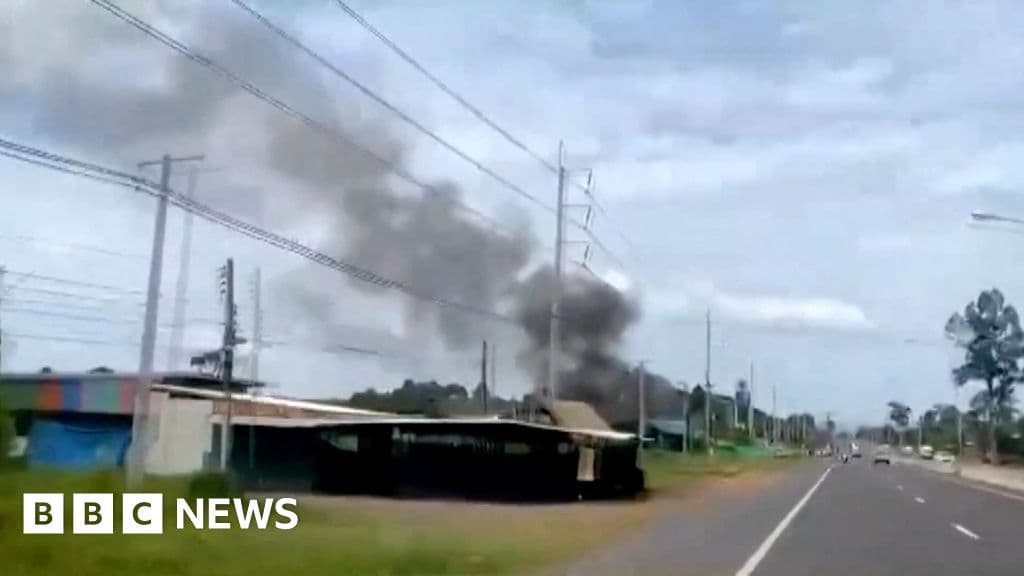
The fragile silence along the jungle border between Thailand and Cambodia shattered on Monday, replaced by the scream of fighter jets and the thunder of artillery. In a dramatic escalation that has left diplomatic efforts in tatters, Thailand launched airstrikes into neighboring territory, marking the deadliest flare-up in the region since July.
This renewed violence signals the definitive collapse of a ceasefire championed by U.S. President Donald Trump just months ago. For observers in Nairobi, the unraveling of this high-profile deal serves as a stark reminder of how quickly unresolved colonial legacies can bleed into modern conflict, destabilizing regions and displacing vulnerable communities.
The human cost of this breakdown was immediate. Reports confirm that at least three Thai soldiers and seven Cambodian civilians have been killed in the crossfire since the week began. Both Bangkok and Phnom Penh have traded fierce accusations regarding who fired the first shot, a narrative friction familiar to anyone watching border disputes unfold.
The clashes are the most severe since a bloody five-day skirmish in July, which left 48 people dead and forced thousands of villagers to flee their homes. That crisis prompted an intervention from the White House, with President Trump—aided by Malaysian diplomats—negotiating what was intended to be a lasting solution.
However, the cracks in the agreement were visible from the start. While President Trump touted the October signing as the "Kuala Lumpur Peace Accord," Thai officials refused to use the title, opting for the cumbersome "Joint Declaration by the Prime Ministers of Thailand and Cambodia."
While the immediate trigger involves the suspended agreement, the root cause is a century old. Much like the arbitrary borders drawn across East Africa during the Scramble for Africa, the dividing line between Thailand and Cambodia was sketched by French colonialists during their occupation of Indochina.
These maps have left the two nations locked in a bitter dispute over sovereignty, particularly around ancient temple sites that hold immense cultural value for both sides. The suspension of the October deal by Thailand was the precursor to this week's violence, but the animosity runs generations deep.
As smoke rises over the border once more, the international community is left scrambling. The failure of the U.S.-backed initiative raises serious questions about the enforceability of such treaties in a volatile geopolitical landscape. Unless a new diplomatic channel is opened immediately, analysts fear the death toll will only rise.
Keep the conversation in one place—threads here stay linked to the story and in the forums.
Sign in to start a discussion
Start a conversation about this story and keep it linked here.
Other hot threads
E-sports and Gaming Community in Kenya
Active 9 months ago
The Role of Technology in Modern Agriculture (AgriTech)
Active 9 months ago
Popular Recreational Activities Across Counties
Active 9 months ago
Investing in Youth Sports Development Programs
Active 9 months ago