We're loading the full news article for you. This includes the article content, images, author information, and related articles.
The landmark decision, granting CEO Elon Musk the largest corporate payout in history, has ignited a global debate on executive compensation and corporate governance, with muted immediate impact but long-term implications for Kenya's nascent electric vehicle market.

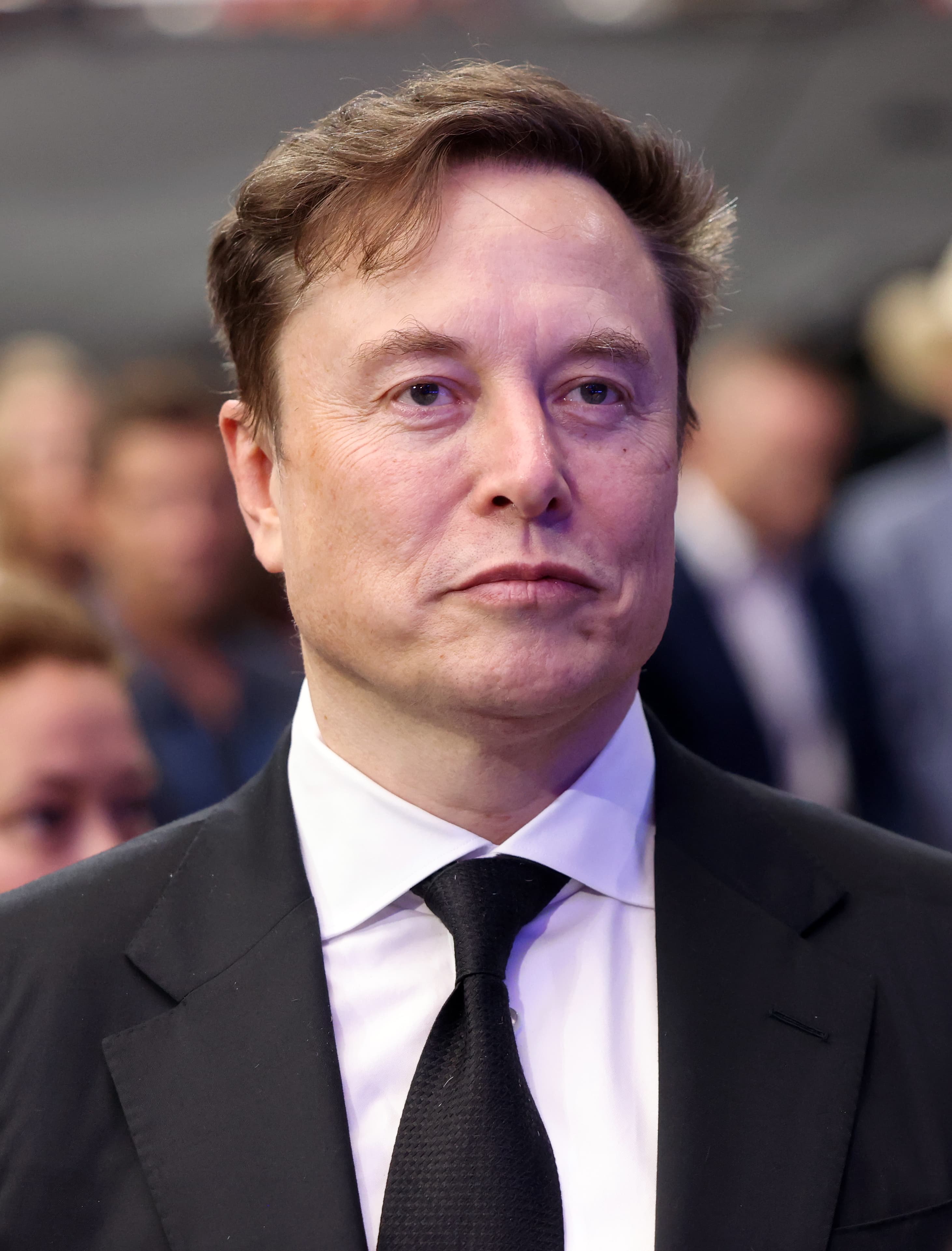
In a decisive move with far-reaching implications for global corporate governance, Tesla Inc. shareholders voted on Thursday, November 6, 2025, to approve a record-breaking compensation package for Chief Executive Officer Elon Musk, potentially valued at a net $878 billion. The approval, which saw more than 75% of votes cast in favour at the company's annual meeting in Austin, Texas, ties Mr. Musk to the electric vehicle (EV) maker for the next decade and is designed to incentivise him to steer the company towards an ambitious future dominated by artificial intelligence and robotics.
The all-stock award is structured to pay out over ten years in 12 tranches, contingent on Tesla achieving a series of exceptionally challenging milestones. These targets include increasing the company's market capitalisation from its current $1.5 trillion to $8.5 trillion and meeting aggressive operational goals such as delivering 20 million vehicles annually, operating a fleet of one million robotaxis, and selling one million humanoid robots. If all targets are met, Mr. Musk, already the world's wealthiest person, could become its first trillionaire. Supporters, including Tesla's board and numerous retail investors, argue the package is essential to retain Mr. Musk's leadership, which they deem critical for the company's next phase of growth.
The vote did not occur in a vacuum. It follows a protracted legal battle in the state of Delaware, Tesla's previous state of incorporation. In January 2024, Chancellor Kathaleen St. Jude McCormick of the Delaware Court of Chancery rescinded a prior, smaller pay package for Mr. Musk from 2018, valued at approximately $56 billion. The court ruled that the process for approving the 2018 deal was "deeply flawed" because the board was not sufficiently independent of Mr. Musk's influence and that key details were not fully disclosed to shareholders. Despite a subsequent shareholder vote in June 2024 to ratify that same package, the Delaware court again rejected Tesla's motion to reinstate it in a December 2024 ruling, calling the legal arguments "unprecedented theories" that went against "settled law." In response, Mr. Musk initiated the process of reincorporating Tesla in Texas, a move also approved by shareholders, which set the stage for this new, even larger compensation plan.
Despite the overwhelming approval, the pay package faced significant opposition from several high-profile institutional investors and proxy advisory firms. Norges Bank Investment Management, which manages Norway's massive sovereign wealth fund and is a top Tesla shareholder, announced its intention to vote against the deal, citing concerns over the "total size of the award, dilution, and lack of mitigation of key person risk." Similarly, major U.S. pension funds like the California Public Employees' Retirement System (CalPERS) and the California State Teachers' Retirement System (CalSTRS) opposed the package, deeming it "excessive" and "highly dilutive to shareholders." Advisory firms Institutional Shareholder Services (ISS) and Glass Lewis also recommended shareholders vote against the plan, echoing concerns about its magnitude and governance implications.
For Kenya and the wider East African region, the direct impact of this shareholder decision is minimal. Tesla has no official presence on the continent, and vehicles are available only through private importation, making them a rare sight on Kenyan roads due to high costs that can exceed KES 9 million before taxes and fees. The primary barriers to widespread adoption remain the high purchase price, a lack of official support and service centres, and a still-developing public charging infrastructure. While companies like Kenya Power and private entities are beginning to install charging stations in major cities, the network is far from comprehensive.
However, the global significance of Tesla's direction under Mr. Musk holds long-term relevance. The company's focus on accelerating the transition to sustainable energy has a ripple effect, influencing global automotive trends and potentially lowering the cost of EV technology over time. As Kenya's government continues to promote green energy and sustainable transport, the evolution of global EV leaders like Tesla will indirectly shape the future landscape of mobility in the country. The debate surrounding Mr. Musk's compensation also serves as a powerful case study in corporate governance for Kenyan firms and investors as the local market continues to mature and integrate into the global economy.
Keep the conversation in one place—threads here stay linked to the story and in the forums.
Sign in to start a discussion
Start a conversation about this story and keep it linked here.
Other hot threads
E-sports and Gaming Community in Kenya
Active 9 months ago
The Role of Technology in Modern Agriculture (AgriTech)
Active 9 months ago
Popular Recreational Activities Across Counties
Active 9 months ago
Investing in Youth Sports Development Programs
Active 9 months ago
Key figures and persons of interest featured in this article