We're loading the full news article for you. This includes the article content, images, author information, and related articles.
The landmark decision, potentially making Musk the world's first trillionaire, unfolds amid a burgeoning electric vehicle market in Kenya, where global tech trends are increasingly shaping local transport futures.
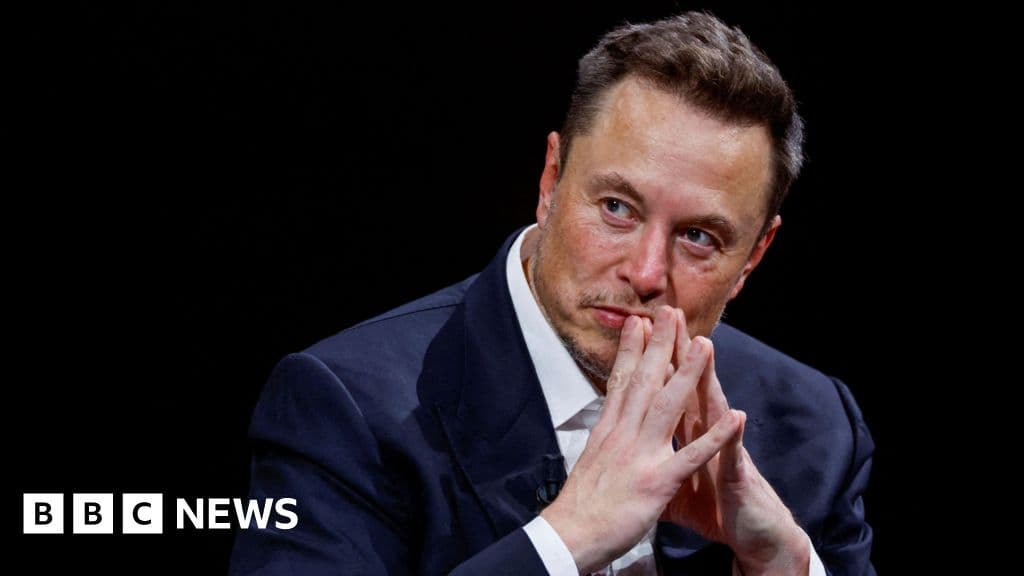
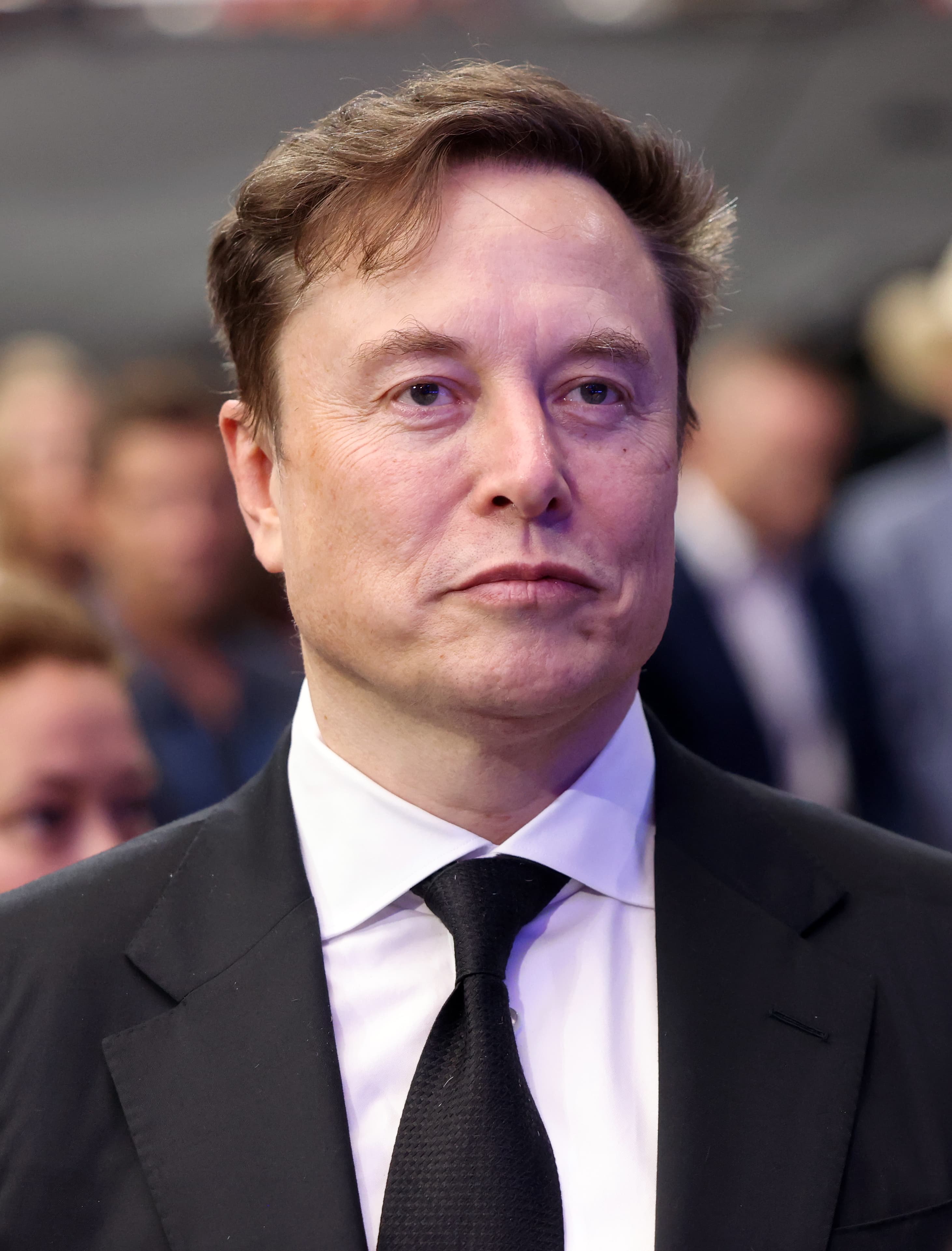
In a move with significant global ramifications for corporate governance and executive compensation, Tesla Inc. shareholders on Thursday, November 6, 2025, approved a record-breaking pay package for CEO Elon Musk potentially worth up to $1 trillion. The decision, announced at the company's annual general meeting in Austin, Texas, saw more than 75% of voting shares endorse the unprecedented 10-year performance-based stock option award. This development, while centered in the United States, occurs as Kenya and the wider East African region accelerate their own transition towards electric mobility, albeit with no direct operational presence from Tesla itself.
The newly approved package requires Musk, who currently receives no salary from Tesla, to meet a series of exceptionally ambitious milestones over the next decade. To unlock the full compensation, he must steer the electric automaker to a market capitalization of $8.5 trillion, a colossal increase from its current valuation of approximately $1.5 trillion as of early November 2025. The plan is structured in 12 tranches, each tied to specific market cap increases and operational targets. These targets include delivering 20 million vehicles, deploying a fleet of 1 million robotaxis, producing 1 million humanoid robots, and achieving 10 million active Full Self-Driving (FSD) subscriptions. If successful, the deal would significantly increase Musk's stake in the company to over 25%.
This vote follows a protracted legal battle concerning Musk's previous 2018 pay package, initially valued at $56 billion. That deal was voided in January 2024 by Chancellor Kathaleen McCormick of the Delaware Court of Chancery, who ruled that the approval process was flawed and unduly influenced by Musk. Despite shareholders voting to re-ratify that same package in June 2024 and Tesla subsequently moving its state of incorporation from Delaware to Texas, the Delaware court again rejected the package in a ruling on Monday, December 2, 2024. The board presented the new, far larger package as essential to retain Musk's focus and motivate him to achieve transformative growth for Tesla.
While Tesla has no official dealerships or service centers in Kenya, its vehicles are present on Kenyan roads through private importation. The high cost of importation, duties, and a lack of official support infrastructure make ownership a niche affair. However, the global EV trend spearheaded by giants like Tesla is a significant catalyst for local developments. The Kenyan government is actively fostering an EV-friendly environment, targeting a 5% market share for electric vehicles by the end of 2025. Policy measures include reducing import duties and removing VAT on electric vehicles to make them more affordable. This has spurred growth in the local market, with EV registrations surging in recent years and companies like BasiGo and Roam making strides in electric buses and motorcycles. The government also plans to expand charging infrastructure, with a goal of installing 1,000 stations by 2027, a critical step for wider adoption.
The immense wealth and influence concentrated in global tech leaders like Musk have an indirect but palpable effect on emerging economies. Decisions made in boardrooms in Austin or Silicon Valley shape the technological products and platforms that become available globally. For Kenya, which has positioned itself as the "Silicon Savannah" and a top destination for foreign direct investment in technology, the strategies of these multinational corporations are critical. While this specific pay package does not have a direct, immediate financial or operational impact on Kenya, it underscores the scale and power of the corporations driving the global digital and green energy transitions—transitions that Kenya is actively working to join. The continued success and expansion of companies like Tesla could eventually lead to official market entry, which would dramatically alter the local EV landscape. For now, the story remains one of global corporate drama with local, aspirational undertones for a greener transportation future in Kenya.
Keep the conversation in one place—threads here stay linked to the story and in the forums.
Sign in to start a discussion
Start a conversation about this story and keep it linked here.
Other hot threads
E-sports and Gaming Community in Kenya
Active 9 months ago
The Role of Technology in Modern Agriculture (AgriTech)
Active 9 months ago
Popular Recreational Activities Across Counties
Active 9 months ago
Investing in Youth Sports Development Programs
Active 9 months ago
Key figures and persons of interest featured in this article