We're loading the full news article for you. This includes the article content, images, author information, and related articles.
A self-confessed suspect has provided a harrowing account of how 900 followers were lured into the deadly Shakahola starvation cult, revealing a dark web of manipulation and deceit.
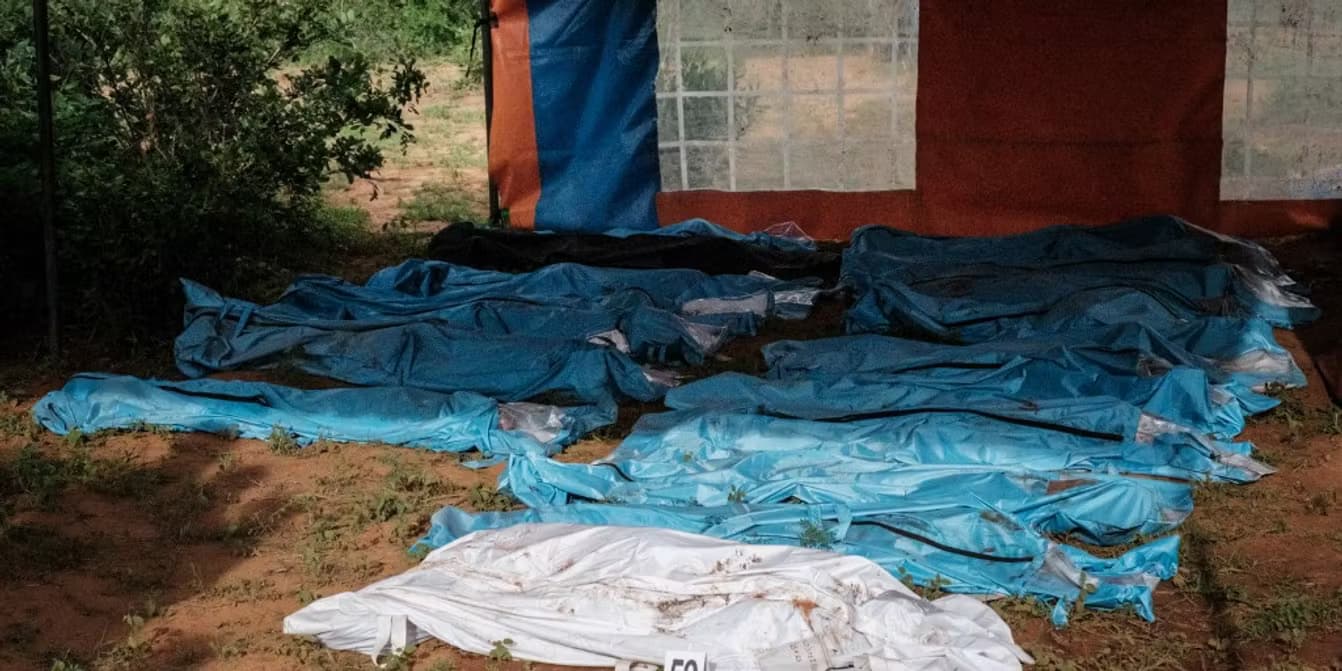
The horrors of the Shakahola forest massacre continue to unfold as new, graphic testimonies expose the calculated cruelty of a rogue ministry. Hundreds of innocent lives were systematically extinguished under the twisted guise of spiritual salvation.
Why does this matter now? This chilling revelation exposes the catastrophic failures in national intelligence gathering and underscores the urgent, non-negotiable need for robust regulatory frameworks governing religious organizations in Kenya, to ensure such unspeakable loss of life is never repeated.
In a deeply disturbing courtroom confession, suspect Enos Amanya Ngala, notoriously known by his alias "Hallelujah", detailed the systematic brainwashing orchestrated by the controversial and heavily indicted preacher, Paul Mackenzie. Ngala painted a grim picture of how vulnerable followers were initially lured into the remote, unforgiving coastal forest with divine promises of meeting their maker, only to be subjected to enforced, brutal starvation protocols. The sheer scale of the deception is staggering, with estimates now indicating that over 900 individuals fell victim to the cult's fatal ideology.
The narrative provided by the suspect reveals a highly regimented environment where dissent was ruthlessly crushed, and isolation from the outside world was strictly enforced. Followers were stripped of their worldly possessions, identification documents, and ultimately, their fundamental will to live. The sect leadership exploited deep-seated socioeconomic vulnerabilities and existential fears, transforming faith into a lethal weapon of mass destruction right under the noses of local authorities.
Perhaps one of the most shocking revelations from Ngala's testimony is the catalyst that accelerated the deadly fasting regime. The suspect disclosed that a bitter, protracted land dispute played a significant role in sparking the extreme measures that led to mass casualties. Faced with the prospect of losing control over the sprawling Shakahola compound, Mackenzie allegedly expedited his doomsday prophecies, compelling his congregation to accelerate their starvation in a deranged bid to avoid earthly eviction and secure a rapid transit to the afterlife.
The Shakahola tragedy is not merely the story of a charismatic madman; it is a damning indictment of systemic institutional failure. How a rogue entity managed to establish a heavily guarded, fatal commune spanning hundreds of acres without triggering alarms within the provincial administration or the National Intelligence Service (NIS) remains a question of national outrage. The tragedy has exposed glaring loopholes in the surveillance of radicalised groups operating under the shield of religious freedom.
In response, the Kenyan government faces mounting pressure to implement draconian oversight mechanisms. The proposed regulatory framework must strike a delicate balance between preserving the constitutional right to freedom of worship and ensuring absolute public safety. Lawmakers are currently debating stringent vetting processes for religious leaders, mandatory financial disclosures for churches, and rapid-response protocols for cultic activities reported by concerned citizens.
The psychological scars inflicted by the Shakahola massacre on the collective conscience of the nation will take generations to heal. The coastal communities, directly impacted by the gruesome discoveries, require intensive psychological support and community rebuilding initiatives. Furthermore, the state must ensure swift, uncompromising justice for the victims to restore public faith in the judicial system.
As the trial of Paul Mackenzie and his accomplices continues, the full extent of the depravity within the forest will undoubtedly come to light. The nation watches with a mix of revulsion and demand for accountability. "Shakahola is a dark stain on our national fabric; we owe it to the dead to ensure the blinding light of justice penetrates every shadow of that forest," declared a leading human rights advocate.
Keep the conversation in one place—threads here stay linked to the story and in the forums.
Sign in to start a discussion
Start a conversation about this story and keep it linked here.
Other hot threads
E-sports and Gaming Community in Kenya
Active 9 months ago
The Role of Technology in Modern Agriculture (AgriTech)
Active 9 months ago
Popular Recreational Activities Across Counties
Active 9 months ago
Investing in Youth Sports Development Programs
Active 9 months ago