We're loading the full news article for you. This includes the article content, images, author information, and related articles.
Regional watchdogs launch twin inquiries into the massive ownership shift, fearing a monopoly that could strangle competition in East Africa’s digital economy.
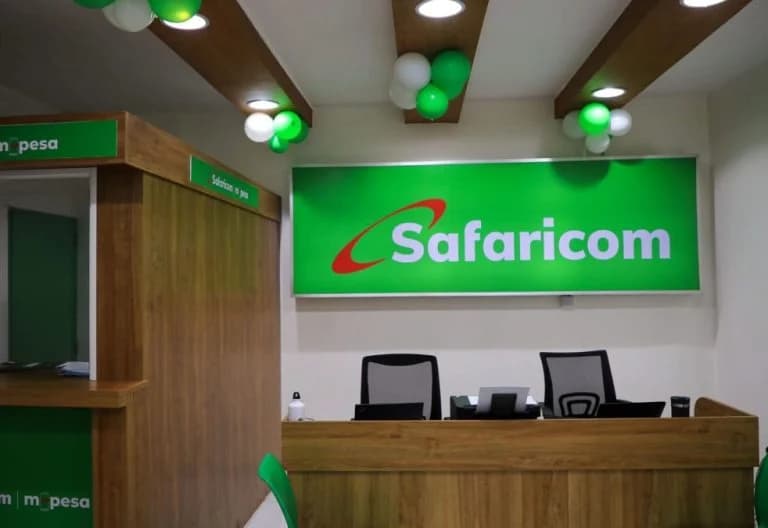
The crown jewel of Kenya’s corporate scene is under the microscope. Regional competition watchdogs from the East African Community (EAC) and COMESA have launched simultaneous formal inquiries into the proposed transaction that would hand South Africa’s Vodacom Group effective majority control of Safaricom PLC.
The deal, which involves the transfer of a 15% stake from Vodafone Kenya to Vodacom, would see the South African giant’s shareholding swell from 40% to a commanding 55%. While the companies frame this as a "strategic consolidation," regulators are sounding the alarm over the potential creation of a monopolistic behemoth that could strangle competition across the region’s digital economy.
Safaricom is not just a telco; it is the central nervous system of Kenya’s economy, largely due to M-Pesa. The EAC Competition Authority and the COMESA Competition and Consumer Commission are investigating whether this consolidation of power in Johannesburg will negatively impact consumer choice in Nairobi. "The concern is entrenchment," says a source close to the EAC probe. "If one entity controls the infrastructure, the data, and the mobile money rails for the entire region, innovation dies."
The Government of Kenya, which is selling the 15% stake, will retain a 19.99% shareholding. However, critics argue this minority position leaves the state as a passenger in its own flagship asset. The inquiries will determine if the deal violates regional anti-trust laws designed to prevent "substantial lessening of competition."
This is more than a boardroom deal; it is a test of East Africa’s regulatory independence. For years, Safaricom has operated as a benevolent giant, but a shift in control to a foreign entity changes the calculus. Local competitors like Airtel and Telkom will likely seize this opportunity to demand a leveling of the playing field, particularly regarding mobile money interoperability and agent networks.
As the deadline for submissions looms, the message from Arusha and Lusaka is clear: Kenya’s digital sovereignty is not for sale without a thorough vetting. The "Green Giant" may be getting a new master, but the watchdogs are determined to keep it on a leash.
Keep the conversation in one place—threads here stay linked to the story and in the forums.
Sign in to start a discussion
Start a conversation about this story and keep it linked here.
Other hot threads
E-sports and Gaming Community in Kenya
Active 9 months ago
The Role of Technology in Modern Agriculture (AgriTech)
Active 9 months ago
Popular Recreational Activities Across Counties
Active 9 months ago
Investing in Youth Sports Development Programs
Active 9 months ago



