We're loading the full news article for you. This includes the article content, images, author information, and related articles.
Iran’s declaration that only "non-hostile" vessels may transit the Strait of Hormuz threatens global oil stability and risks surging fuel prices in Kenya.
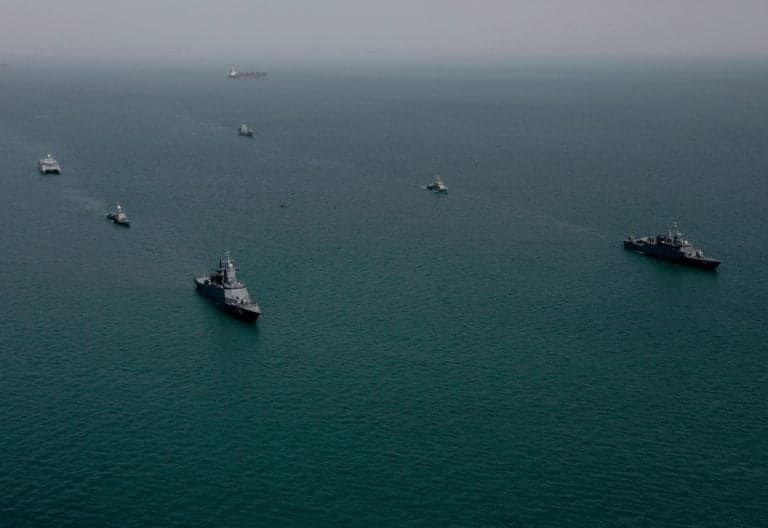
The blue waters of the Strait of Hormuz, a narrow maritime artery carrying roughly 21 million barrels of oil per day, have become the focus of a precarious geopolitical gamble. Tehran’s recent declaration that only "non-hostile" vessels will be permitted safe passage through these chokepoints has sent shockwaves through the global shipping industry, creating an immediate atmosphere of uncertainty for energy importers from Tokyo to Nairobi.
This development is not merely a diplomatic posture it represents a significant escalation in the ongoing tension surrounding Middle Eastern maritime security. For the global economy, the stakes are existential: if this chokepoint—which accounts for nearly a third of global seaborne oil trade—is subjected to arbitrary criteria of "hostility," the resulting volatility could disrupt energy supply chains and trigger inflationary pressures across emerging markets, including Kenya, which remains heavily dependent on refined petroleum imports from the Gulf region.
The Strait of Hormuz is the world’s most important oil transit point. Situated between Oman and Iran, it connects the Persian Gulf with the Gulf of Oman and the Arabian Sea. It is the primary route for crude oil exports from Saudi Arabia, Iraq, and the United Arab Emirates. Data from the International Energy Administration highlights that nearly all of these exports are destined for the Asia-Pacific region, making any disruption a direct threat to the economic stability of the East African coastline, which relies on these specific supply routes for its fuel.
The Iranian government’s vague criteria for what constitutes a "non-hostile" vessel have left maritime insurers and shipping companies in a state of paralysis. Without clear international definitions or transparent enforcement protocols, every tanker traversing the 21-mile-wide channel is effectively navigating a minefield of potential diplomatic and military reprisal. Industry analysts warn that this ambiguity is a tactical maneuver designed to exert pressure on Western powers without necessitating a direct, overt act of war.
For a reader in Nairobi, the distance between the Persian Gulf and the Port of Mombasa may seem vast, but the economic connection is visceral. The Kenyan economy, currently grappling with the nuances of global commodity price fluctuations, is acutely vulnerable to disruptions in the Hormuz passage. Energy experts at the Energy and Petroleum Regulatory Authority (EPRA) in Nairobi have long noted that any spike in global crude benchmarks—such as Brent or Murban crude—transfers directly to the pump prices paid by motorists and transporters across the country.
Consider the potential impact of an extended period of insecurity in the Strait:
An increase of even $10 (approximately KES 1,300) per barrel in global oil prices, if sustained, could translate into a significant contraction in household disposable income for millions of Kenyans. The reliance on this single maritime corridor means that local policymakers have very little agency in the face of such international supply shocks.
The core of the current crisis lies in the lack of a standardized definition of "hostility." In international maritime law, the United Nations Convention on the Law of the Sea (UNCLOS) provides a framework for "innocent passage" through territorial seas and international straits. However, Tehran’s assertion creates a secondary, extralegal layer of scrutiny. Who decides if a ship is hostile? Is it based on the vessel’s flag, its cargo, or its ownership structure?
Military strategists argue that this rhetoric serves as a signaling mechanism. By casting itself as the gatekeeper of the Strait, Iran is challenging the hegemony of international naval coalitions that have historically patrolled the region. This is not the first time such threats have been issued, but the current geopolitical climate, characterized by heightened regional competition and complex proxy dynamics, makes the prospect of a miscalculation significantly higher than in previous decades.
As the international community digests this latest announcement, the shipping industry remains on high alert. Major logistics firms are already exploring alternative routes or implementing "shadow" protocols to avoid potential flashpoints. However, for a strait that handles millions of barrels of oil daily, there is no viable alternative. The reliance on this thin strip of water is a fundamental vulnerability of the modern global energy architecture.
The coming weeks will reveal whether this "non-hostile" policy is a performative diplomatic gambit or the prelude to a new era of maritime enforcement. For now, the global markets are choosing caution, and the ripples of this decision will continue to be felt far beyond the Persian Gulf, manifesting in the fuel prices and economic projections of nations like Kenya that stand at the end of the long supply chain. The question remains: can the world afford to let the gatekeeper of global oil dictate the terms of transit?
Keep the conversation in one place—threads here stay linked to the story and in the forums.
Sign in to start a discussion
Start a conversation about this story and keep it linked here.
Other hot threads
E-sports and Gaming Community in Kenya
Active 10 months ago
The Role of Technology in Modern Agriculture (AgriTech)
Active 10 months ago
Popular Recreational Activities Across Counties
Active 10 months ago
Investing in Youth Sports Development Programs
Active 10 months ago



