We're loading the full news article for you. This includes the article content, images, author information, and related articles.
At Art Basel Miami, digital artist Mike Winkelmann mocks the unchecked power of Musk, Zuckerberg, and Bezos with a grotesque spectacle that asks: Are we the masters, or just pets in their algorithm?
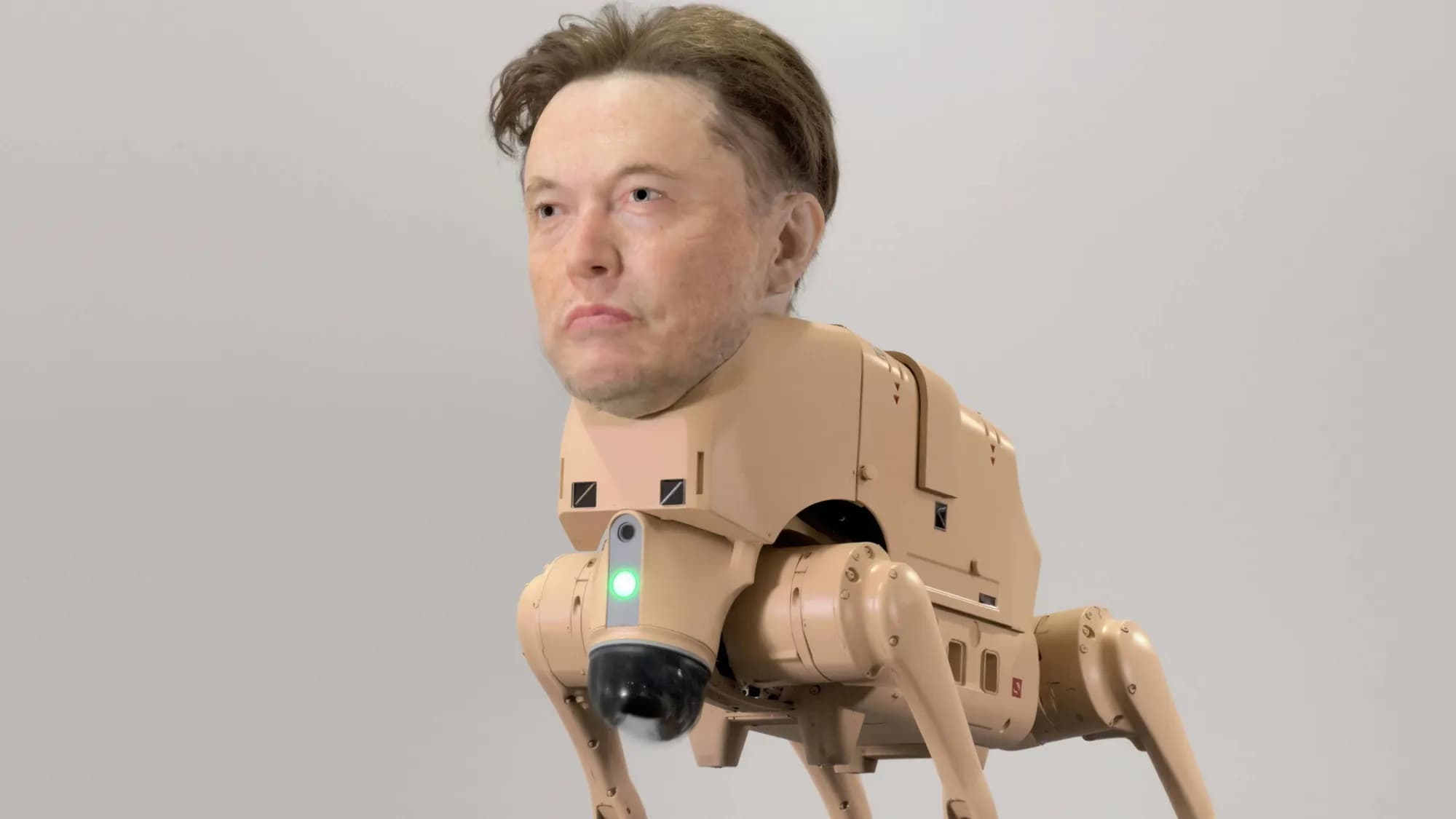
In a spectacle that blurs the line between high art and high-tech mockery, the faces of the world's wealthiest men are currently patrolling a glass pen in Miami on four robotic legs, occasionally stopping to relieve themselves of digital waste.
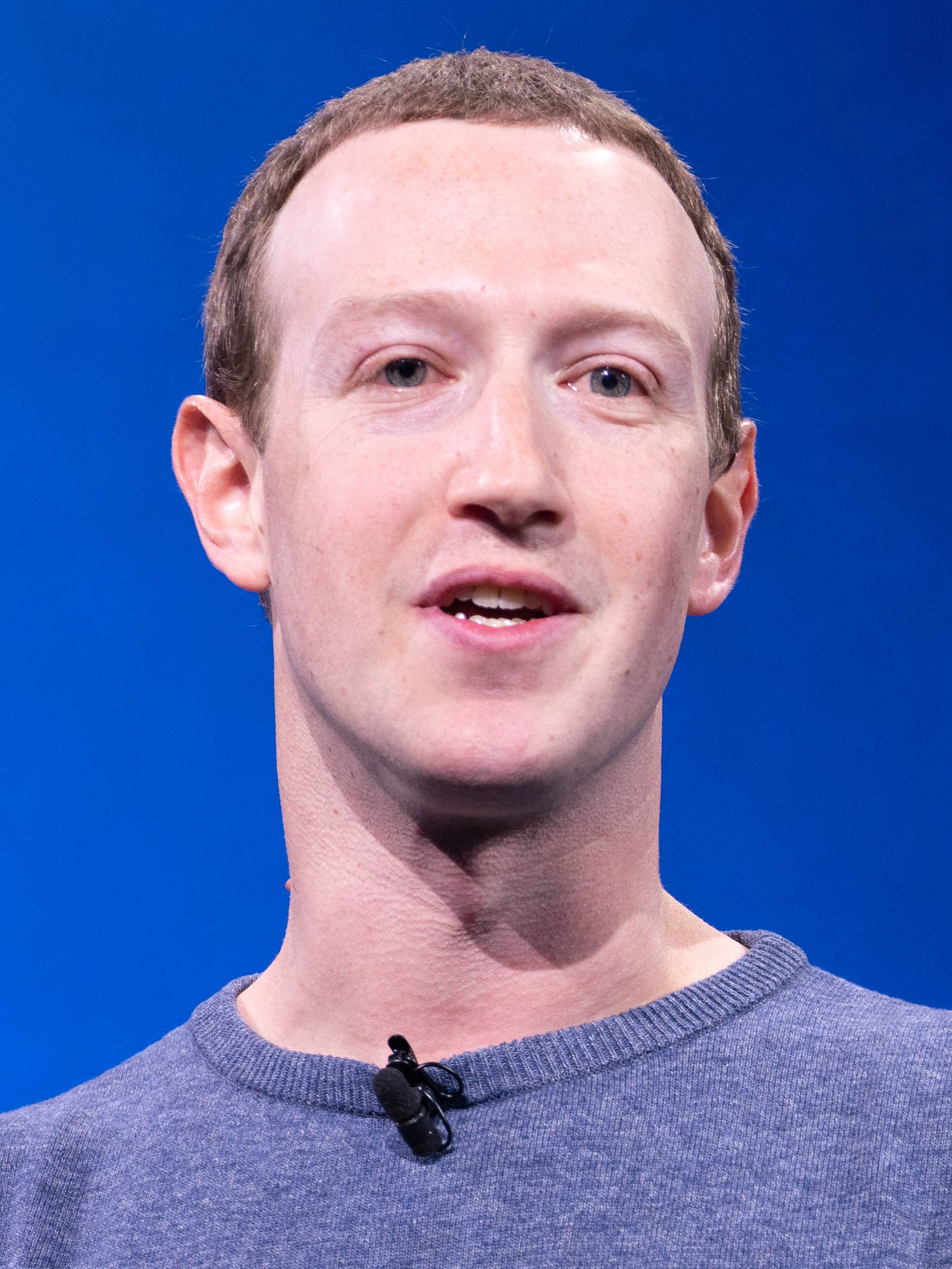
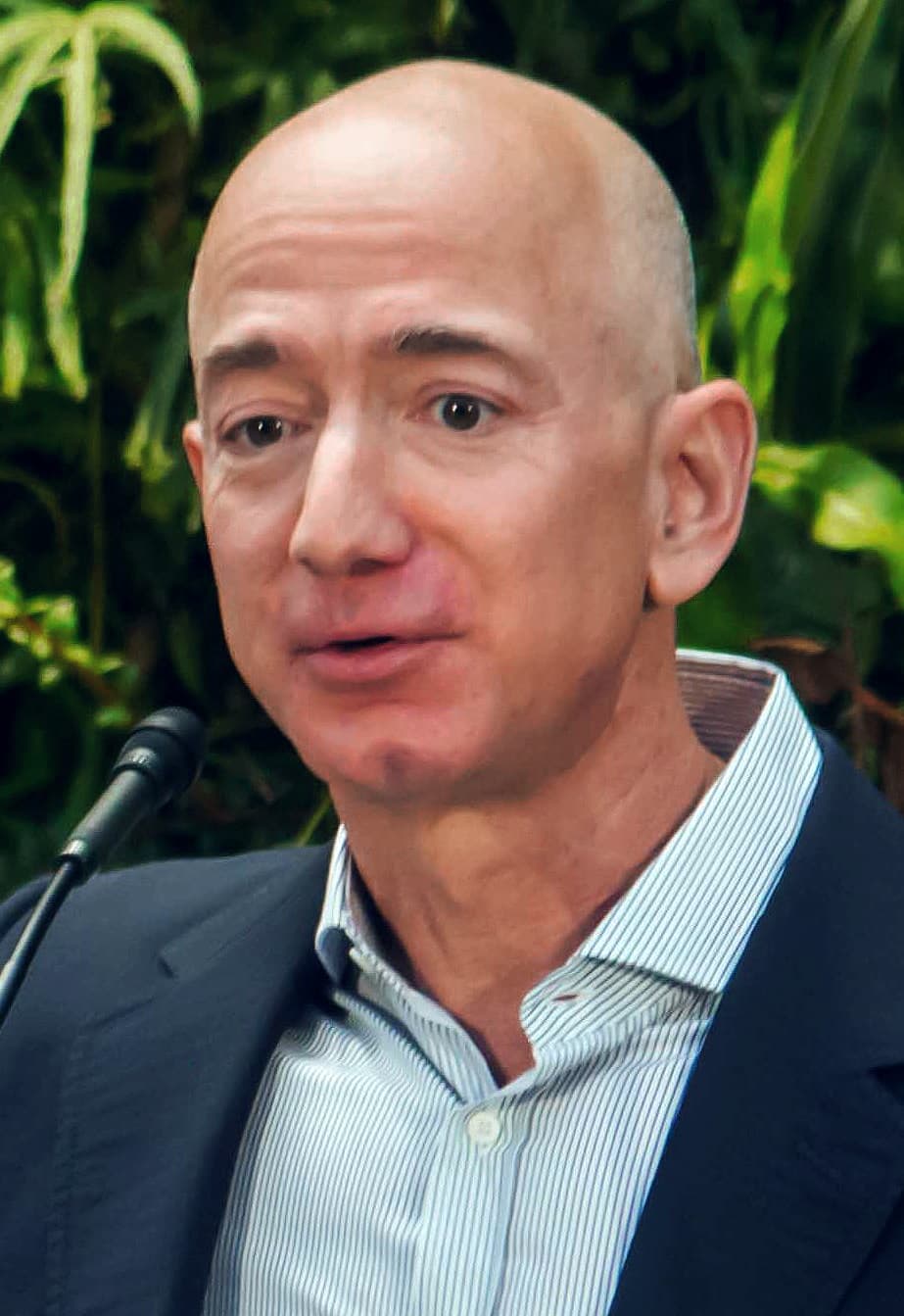
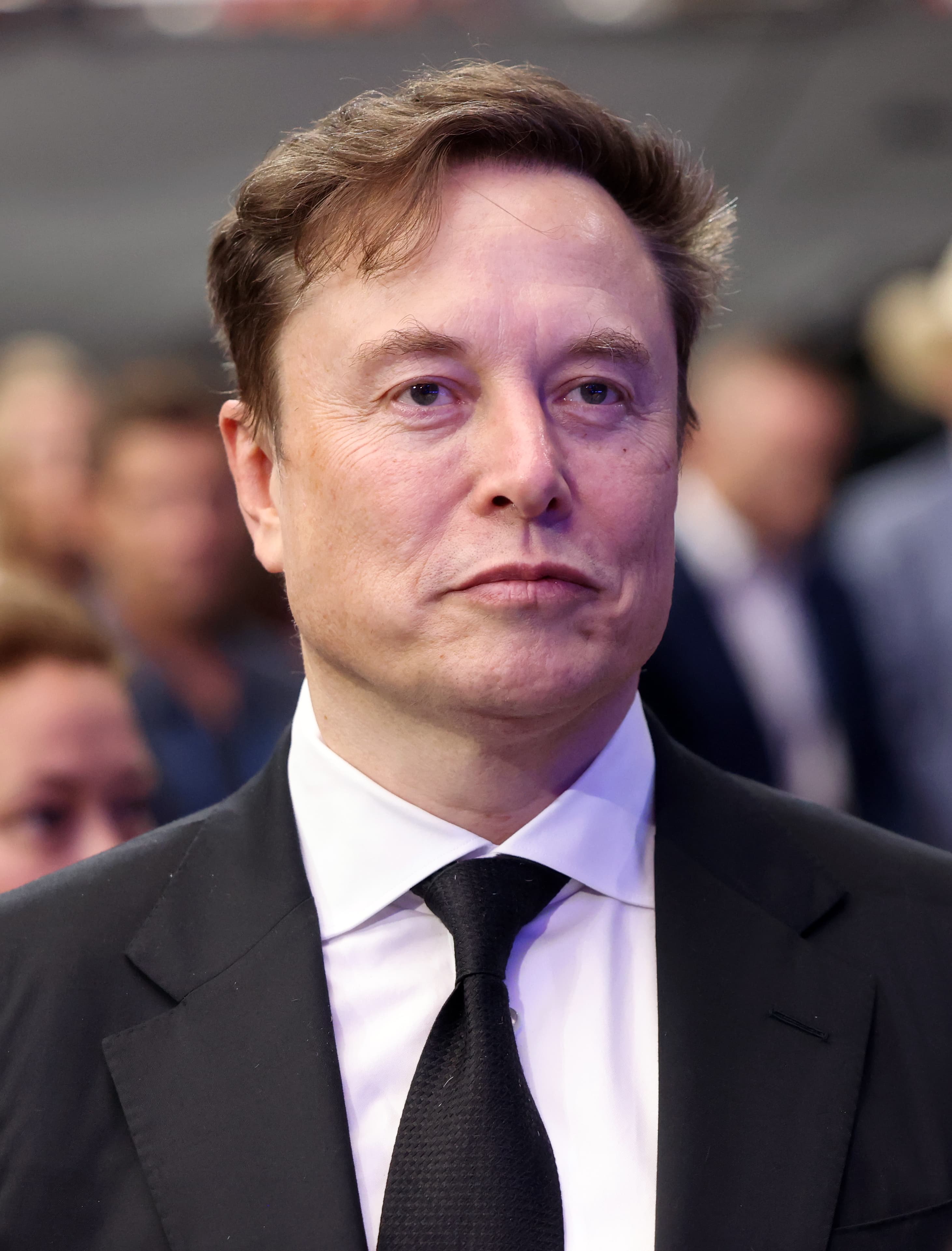
Digital artist Mike Winkelmann, globally known as Beeple, has debuted "Regular Animals" at Art Basel Miami Beach—a biting satire that grafts the hyper-realistic heads of Elon Musk, Mark Zuckerberg, and Jeff Bezos onto Boston Dynamics-style robot dogs. The installation has become the fair's most talked-about exhibit, not just for its uncanny visuals, but for its crude functionality: the mechanical beasts wander the gallery, process images of the crowd, and literally "poop" out printed NFTs.
For the Kenyan observer, accustomed to seeing these figures as distant titans shaping our digital infrastructure, the physical reality of the exhibit is jarring. The robots, equipped with Unitree 4D LiDAR sensors, navigate their enclosure autonomously. When their internal systems dictate, an LED screen on their backs flashes "POOP MODE." The machine then squats and ejects a printed image—a "certificate of authenticity" labeled as "100% pure GMO-free, organic dogshit."
"It used to be that we saw the world interpreted through the eyes of artists, but now Mark Zuckerberg and Elon, in particular, control a huge amount of how we see the world," Beeple told The Art Newspaper. The artist, who made headlines in 2021 with a record-breaking $69 million (approx. KES 8.9 billion) NFT sale, is using the stunt to critique the algorithmic lenses through which we view reality.
While the installation is drawing laughs in Miami, the subtext resonates deeply in Nairobi. Kenya's digital ecosystem is increasingly tethered to the whims of these specific individuals. From the Starlink satellites beaming internet to remote counties, to the Meta algorithms that curate the news feeds of millions of Kenyans, the influence of these "dogs" is inescapable.
Analysts note that Beeple’s work highlights a uncomfortable truth: we are the raw material. Just as the robot dogs harvest images of gallery visitors to create their "excrement," the platforms owned by Musk and Zuckerberg harvest user data to generate profit. The art suggests that in the grand scheme of the digital economy, the users are merely fire hydrants for these tech giants to mark their territory on.
"This project reinterprets the legacy of pop portraiture... through the lens of technology," Beeple explained to Whitewall. "Each robotic humanoid is not simply a static object but a fluid digital canvas whose eyes and ethos we see the world through."
As the exhibition continues, the image of a robotic Elon Musk squatting to print a crypto-token serves as a potent symbol of the modern age: a mix of technological marvel, obscene wealth, and absolute absurdity. It leaves us asking whether we are the audience laughing at the billionaires, or if they are the ones holding the leash.
Keep the conversation in one place—threads here stay linked to the story and in the forums.
Other hot threads
E-sports and Gaming Community in Kenya
Active 8 months ago
Popular Recreational Activities Across Counties
Active 8 months ago
The Role of Technology in Modern Agriculture (AgriTech)
Active 8 months ago
Investing in Youth Sports Development Programs
Active 8 months ago
Key figures and persons of interest featured in this article