We're loading the full news article for you. This includes the article content, images, author information, and related articles.
The Opposition Leader has unveiled a shadow cabinet built for combat, signaling a hardline shift on immigration and a generational changing of the guard.
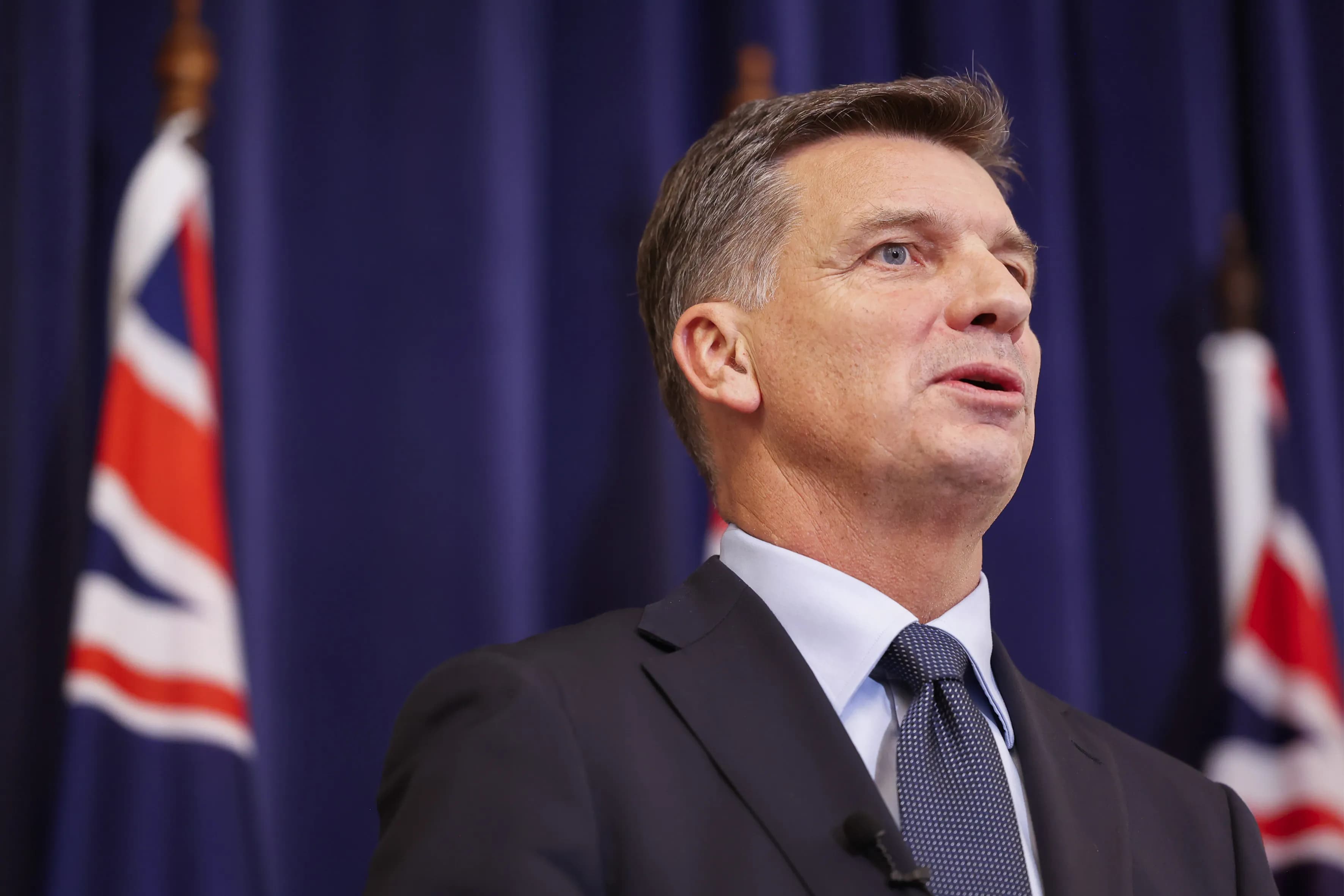
Opposition Leader Angus Taylor unveils a shadow cabinet built for combat, signaling a hardline shift on immigration and a generational changing of the guard.
Canberra — The political tectonic plates of Australia shifted perceptibly this Tuesday as Opposition Leader Angus Taylor unveiled his new shadow ministry, a lineup that is as much a declaration of war as it is a government-in-waiting. Emerging from the turbulence of last week’s leadership spill, Taylor has wasted no time in stamping his authority on the Liberal Party, presenting a frontbench that rewards loyalty, embraces conservatism, and signals a sharp right turn on policy, particularly regarding immigration.
For observers in Nairobi and across the Commonwealth, the reshuffle offers a fascinating glimpse into the mechanics of Westminster-style opposition. Taylor’s choices are not merely administrative; they are ideological markers. The return of firebrand conservatives like Jacinta Nampijinpa Price and Andrew Hastie to the inner sanctum suggests that the Coalition is preparing to fight the next election on the grounds of "values" and "sovereignty"—themes that resonate deeply in today's polarized global political climate.
The headline act of this reshuffle is undoubtedly the resurrection of Senator Jacinta Nampijinpa Price. Sidelined under the previous leadership of Sussan Ley, Price has roared back into the spotlight, securing the shadow portfolios for Skills and Training, and Small Business. Her return was marked with characteristic bravado, telling a podcast audience, "I’m back baby, I’m back. The fire’s back."
Price’s reinstatement is a calculated gamble by Taylor. Her populist appeal and fearless (often controversial) articulation of conservative values make her a potent weapon against the Labor government. By placing her in charge of Skills and Small Business, Taylor is positioning her to speak directly to the "aspirational class"—the tradies, shop owners, and entrepreneurs who form the backbone of the economy. It is a move that mirrors strategies seen elsewhere, where charismatic figures are used to galvanize the base.
Equally significant is the elevation of Andrew Hastie to the role of Deputy Leader in the House of Representatives and Shadow Minister for Industry and Sovereign Capability. A former SAS captain, Hastie brings a military discipline and a focus on national security that aligns perfectly with Taylor’s vision. His portfolio, "Sovereign Capability," is a nod to the growing global anxiety over supply chains and defense self-reliance, a topic of increasing relevance even in East Africa as nations grapple with geopolitical instability.
While the "culture warriors" grab the headlines, the engine room of the shadow cabinet has also been overhauled. Tim Wilson has been appointed Shadow Treasurer, tasked with dissecting Labor’s economic policies during a cost-of-living crisis. Senator Jane Hume takes on the Deputy Leadership of the party and the critical Employment and Industrial Relations portfolio.
This economic team faces a daunting task. With inflation proving sticky and housing affordability at crisis levels, they must present a credible alternative to the government’s fiscal strategy. Taylor has already signaled that this alternative will involve "tough decisions" on immigration. In a move that has already sparked fierce debate, the Opposition Leader indicated a desire to limit migration based on "values" and to protect the "Australian way of life."
The implications of this hardline stance are profound. For skilled workers in Kenya and the broader African continent looking to Australia as a destination, a Taylor-led government could present higher hurdles. The rhetoric of "values-based" immigration often precedes stricter visa conditions and a narrowing of pathways for migrants from non-traditional source countries.
Taylor’s reshuffle is also a ruthlessly efficient consolidation of power. Allies have been rewarded, while those perceived as too close to the ousted Sussan Ley have been moved to the margins. This "cleansing" of the frontbench is designed to end the factional infighting that has plagued the Liberals in opposition. By bringing the Nationals back into the fold—after tensions threatened to fracture the Coalition—Taylor has presented a united face to the public.
However, risks remain. The sheer conservatism of the new lineup may alienate moderate urban voters who deserted the party in previous elections. Taylor is betting that the electorate’s mood has soured enough on Labor to embrace a sharper, harder-edged alternative. As the polls show a slight bump for the Coalition, his gamble appears to be paying early dividends.
The coming months will be a test of fire for this "young" shadow cabinet. They must transition from internal victory to external persuasion. For now, Angus Taylor has steadied the ship, but he has steered it into choppy, right-wing waters.
"This is a team that blends proven experience with the next generation of Coalition talent," Taylor declared. Whether that talent can win back the country remains the ultimate question.
Keep the conversation in one place—threads here stay linked to the story and in the forums.
Sign in to start a discussion
Start a conversation about this story and keep it linked here.
Other hot threads
E-sports and Gaming Community in Kenya
Active 9 months ago
The Role of Technology in Modern Agriculture (AgriTech)
Active 9 months ago
Popular Recreational Activities Across Counties
Active 9 months ago
Investing in Youth Sports Development Programs
Active 9 months ago



