We're loading the full news article for you. This includes the article content, images, author information, and related articles.
Senior Counsel Kivutha Kibwana has declared the Kenya Defence Forces' ban on tattooed recruits unconstitutional, sparking a fierce national conversation about individual rights versus institutional discipline.
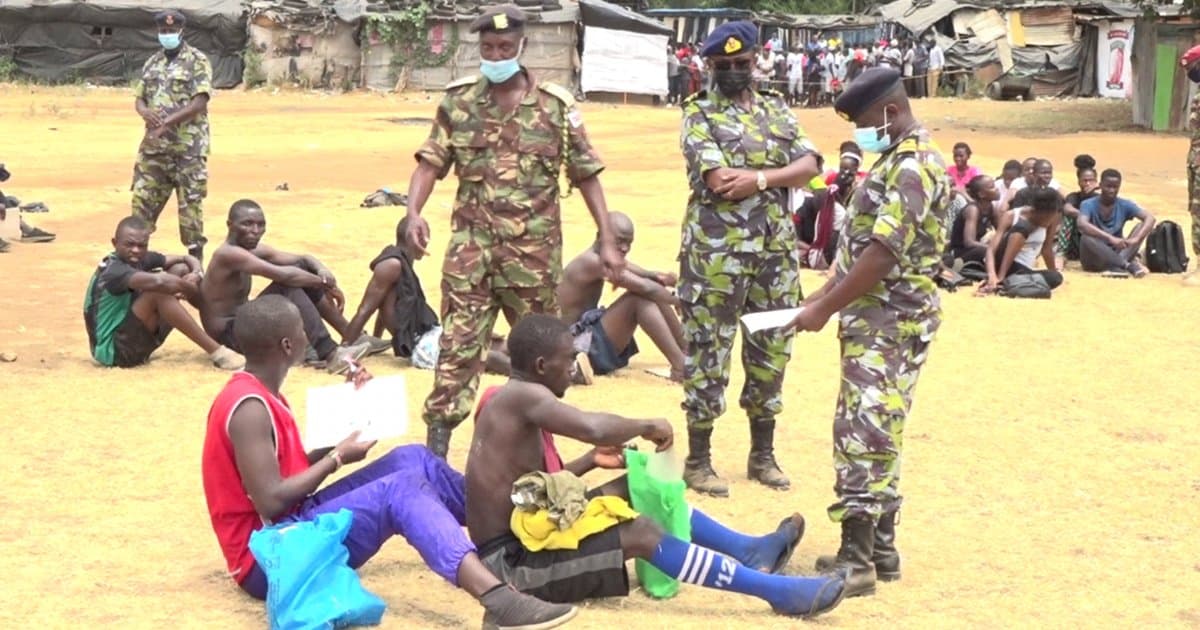
A firestorm has erupted over the long-standing Kenya Defence Forces (KDF) policy that bars Kenyans with tattoos from military service, after former Makueni Governor and Senior Counsel Kivutha Kibwana labelled the rule unconstitutional. The declaration has pitted constitutional freedoms against the cherished traditions of a disciplined force.
The debate strikes at the heart of a critical question for many young Kenyans: should personal expression, etched in ink, be a barrier to serving the nation? At stake is the interpretation of Kenya's progressive constitution against the KDF's rigid recruitment standards, which directly impacts the career aspirations of thousands of youths who face this hurdle.
In a statement that quickly gained traction online, Prof. Kibwana argued that disqualifying applicants over body art is a direct violation of Article 27(4) of the Constitution. He noted that the article explicitly protects citizens from discrimination on grounds of conscience, belief, culture, and dress. “It is discriminatory practice and therefore unconstitutional to disqualify a Kenyan from admission into the defence forces for wearing a tattoo,” Kibwana stated.
The backlash to Kibwana's position was immediate. Former Nyamira Senator Okongo Mong’are countered that constitutional rights must be understood within the unique context of the armed forces. He emphasized that discipline, uniformity, and combat readiness are paramount. “The Defence Forces are a unique institution,” Mong’are said, adding that the Constitution allows for reasonable limitations on rights to maintain order.
The KDF's official position remains firm. During recruitment drives, the military has consistently enforced the ban. Vice Chief of Defense Forces, Lieutenant General Jonah Mwangi, has previously affirmed the rule, stating, “Recruitment policy says that you are not supposed to join with a tattoo. You are not going to be recruited if you are wearing a tattoo.” Recruitment advertisements often specify that a candidate's skin must be “devoid of large or deep scars and tattoos.”
The debate has also drawn comparisons to international standards, with some Kenyans pointing out that other powerful militaries have adapted to changing social norms. Several users online noted that the United States military, for example, has significantly relaxed its tattoo policies to widen its recruitment pool. Indeed, branches of the U.S. military now permit tattoos on hands and necks, provided they are not extremist or offensive in nature, a move aimed at attracting more recruits.
This global shift highlights the core of the Kenyan debate: whether the KDF's tattoo ban is an essential pillar of military discipline or an outdated rule that unnecessarily narrows the pool of potential defenders of the nation. While the online discussion rages, the arguments laid out by Prof. Kibwana could pave the way for a future legal challenge, forcing a definitive judicial interpretation of where personal expression ends and military tradition begins.
Keep the conversation in one place—threads here stay linked to the story and in the forums.
Sign in to start a discussion
Start a conversation about this story and keep it linked here.
Other hot threads
E-sports and Gaming Community in Kenya
Active 9 months ago
The Role of Technology in Modern Agriculture (AgriTech)
Active 9 months ago
Popular Recreational Activities Across Counties
Active 9 months ago
Investing in Youth Sports Development Programs
Active 9 months ago



