We're loading the full news article for you. This includes the article content, images, author information, and related articles.
Tanzania overtakes Uganda as Kenya’s primary electricity buyer, driving exports to a record 52.11 GWh in December 2025 via the new 400kV interconnector.
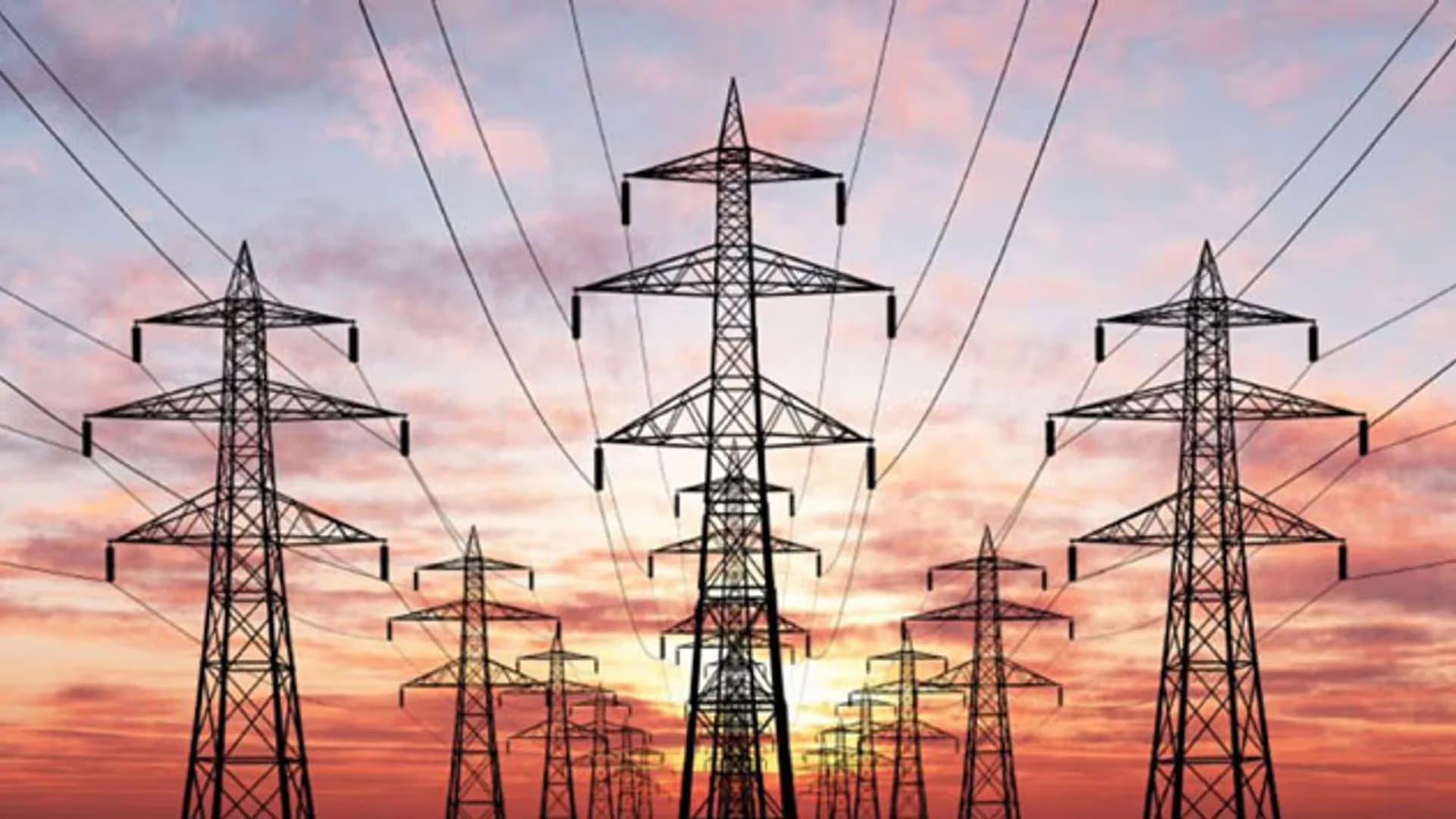
A historic shift has occurred in East Africa’s energy landscape, with Tanzania dethroning Uganda as the primary buyer of Kenyan electricity.
Data from the final quarter of 2025 reveals that Kenya’s southern neighbor has driven electricity exports to unprecedented heights, purchasing a staggering 96% of the country’s total external power sales in December. This development marks the full operational maturity of the 400kV Kenya-Tanzania interconnector and signals a new era of integrated regional energy trade.
The numbers paint a picture of rapid transformation. In December 2025 alone, Kenya exported 52.11 gigawatt-hours (GWh) of electricity, a figure that eclipses entire annual export volumes from previous years. For decades, Uganda was the default destination for Kenya’s surplus power, but the commissioning of the high-voltage Isinya-Singida line has flipped the script.
This surge is not accidental. It is the dividend of years of infrastructure investment designed to create the Eastern Africa Power Pool (EAPP). The grid interconnection allows Tanzania to stabilize its own supply by tapping into Kenya’s geothermal and wind surplus, while Kenya monetizes generation capacity that would otherwise sit idle during off-peak hours.
What makes this dynamic fascinating is that Kenya is trading aggressively in both directions. While it floods Tanzania with power, it is simultaneously importing record amounts from Ethiopia. In October 2025, imports peaked at 172.33 GWh, primarily sourced from Ethiopia’s massive hydro-dams. This "buy low, sell high" arbitrage strategy allows Kenya to import cheaper hydroelectricity for domestic base load while exporting its own renewable mix to Tanzania at competitive rates.
Energy experts argue this is the model for the future: a fluid, borderless grid where electrons flow to where they are needed most. "We are no longer an island grid," noted a senior engineer at Kenya Power. "We are a regional hub, wheeling power from the Blue Nile to the Indian Ocean."
For the Kenyan taxpayer, this trade balance is crucial. Utility companies have long struggled with "deemed energy" costs—payments for power generated but not used. By opening a massive export valve to Tanzania, the sector can improve its financial health. The revenue from these sales provides a critical buffer against currency fluctuations and the high cost of thermal generation.
However, the reliance on regional trade brings new risks. Kenya’s grid stability is now intimately tied to the technical performance of its neighbors. A blackout in Addis Ababa or a fault in Arusha can now ripple through to Nairobi. Yet, as the pylons stretch across the savannah, the message is clear: the East African Community is finally powered by a shared current.
Keep the conversation in one place—threads here stay linked to the story and in the forums.
Sign in to start a discussion
Start a conversation about this story and keep it linked here.
Other hot threads
E-sports and Gaming Community in Kenya
Active 9 months ago
The Role of Technology in Modern Agriculture (AgriTech)
Active 9 months ago
Popular Recreational Activities Across Counties
Active 9 months ago
Investing in Youth Sports Development Programs
Active 9 months ago