We're loading the full news article for you. This includes the article content, images, author information, and related articles.
Tanzania shifts its Second International Kiswahili Language Conference to July to align with World Kiswahili Language Day, boosting global soft power.

In a calculated diplomatic maneuver to maximize international visibility, the government of Tanzania has officially postponed the Second International Kiswahili Language Conference, shifting the event from late April to early July 2026. The gathering, which is set to take place at UNESCO headquarters in Paris, France, will now be held from July 4–7, 2026.
This rescheduling, confirmed by Gerson Msigwa, Permanent Secretary in the Ministry of Information, Culture, Arts and Sports, is more than a simple calendar adjustment it is a strategic repositioning designed to anchor the conference directly to the global celebrations of World Kiswahili Language Day on July 7. By aligning the event with this UN-sanctioned observance, the Tanzanian government aims to leverage maximum international attention for its 10-year National Strategy for the commercialization and global expansion of Kiswahili, currently targeting a trajectory through 2032.
The decision to move the conference from the initial dates of April 27–30 was driven by intensive consultations with key stakeholders. These experts argued that separating the high-level diplomatic forum from the annual World Kiswahili Language Day diluted the potential impact of Tanzania’s soft-power initiative. By consolidating these events, the government effectively ensures that global cultural leaders, linguistic scholars, and diplomats gathered in Paris will be focused on the narrative of Kiswahili’s growth during the peak of its international recognition.
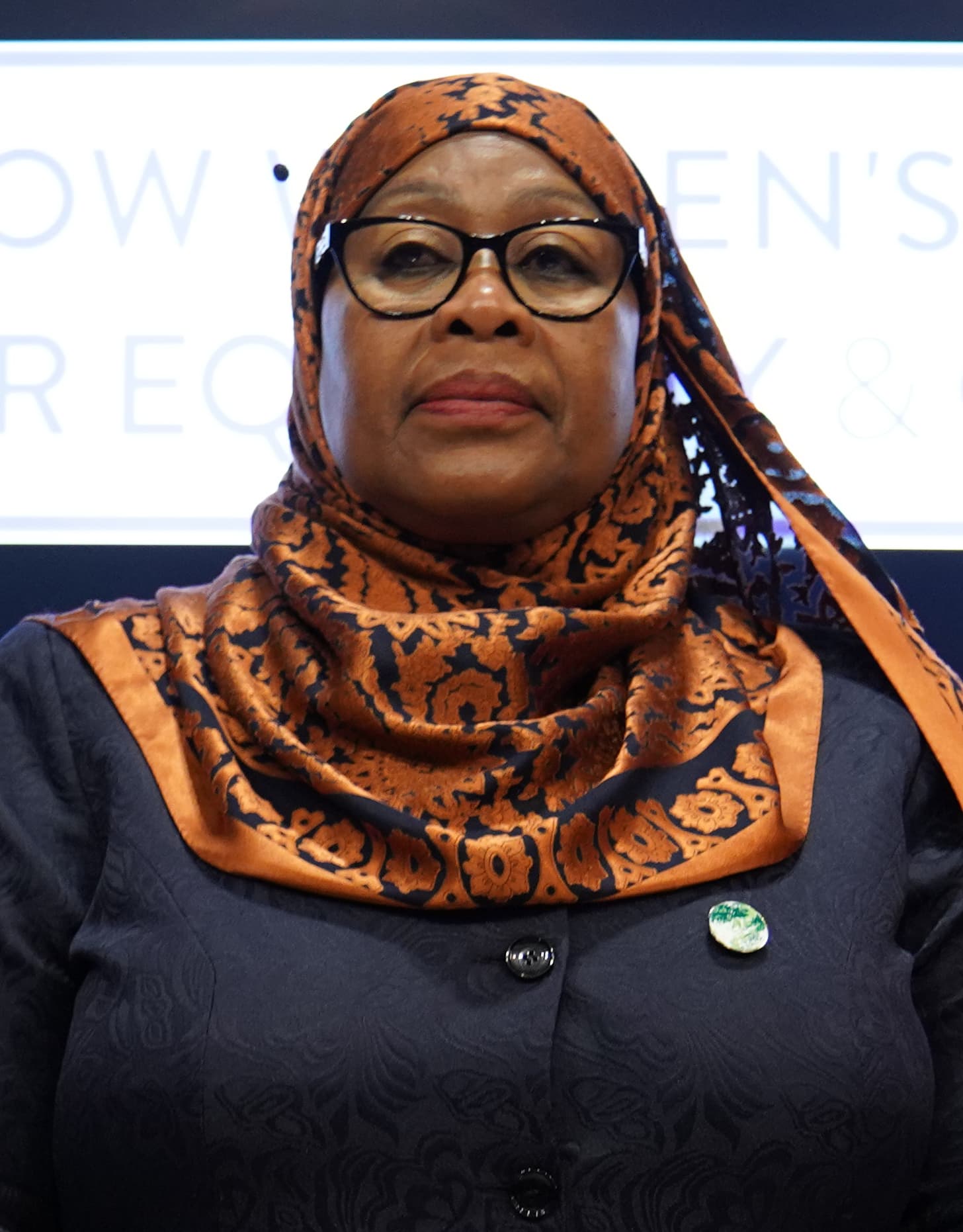
For the Tanzanian administration, this is a matter of prestige and policy influence. The conference, established under the direction of President Samia Suluhu Hassan, serves as the primary instrument for advancing Tanzania’s economic, political, and cultural interests on the world stage. By anchoring the forum to July 7, the government aims to dominate the discourse on multilingualism and African identity during a week when UNESCO and global media outlets are already tuned into the significance of the language.
The conference is a cornerstone of the broader National Strategy for the commercialization of Kiswahili (2022–2032). This policy framework, managed by the Ministry of Information, Culture, Arts and Sports in collaboration with the National Kiswahili Council (BAKITA), aims to transform the language from a regional medium of communication into a global commodity.
Key pillars of this strategy include:
Economists and cultural policymakers note that the language has become an essential soft-power asset. The success of this strategy is already visible in the language’s adoption by major international bodies. The move to hold the conference in Paris, the seat of UNESCO, is intended to reinforce these gains and push for further integration in global educational and technological frameworks.
The rising influence of Kiswahili is backed by significant institutional milestones that have fundamentally altered its global standing. In recent years, the language has transitioned from a localized African lingua franca to a recognized tool of international diplomacy. The following timeline underscores the rapid ascent of Kiswahili:
This institutional recognition is supported by demographic trends. With more than 500 million speakers globally and its adoption as an official language in regional blocs such as the East African Community (EAC), the Southern African Development Community (SADC), and the African Union (AU), Kiswahili serves as a crucial unifying thread across the continent. Its current expansion into over 150 higher learning institutions worldwide suggests that the language is effectively bridging cultural divides and creating new professional avenues for the youth of East Africa.
Beyond the linguistic and cultural celebration, the conference is inherently an economic vehicle. As the language gains global traction, the demand for specialized services—such as interpretation at high-stakes summits, translation of literature and technical manuals, and certified pedagogical instruction—creates direct employment opportunities for thousands of Tanzanians.
By hosting this event in France, Tanzania is actively courting the international education sector, seeking to embed Kiswahili curricula in European and North American universities. The government’s outreach is targeted at creating a sustainable pipeline where the language is not only spoken but is actively used as a medium for business, legal contracts, and intellectual exchange. As the July dates approach, the pressure now shifts to the organizers to convert this diplomatic alignment into tangible agreements that can sustain the long-term, decade-long objectives of the national strategy.
Whether this strategic delay will result in the heightened global engagement that the Tanzanian administration seeks remains a subject of keen observation by diplomats and linguists alike. However, the government’s intent is clear: to ensure that when the world turns its attention to Kiswahili in July, the conversation is centered in Paris, under the banner of Tanzanian leadership.
Keep the conversation in one place—threads here stay linked to the story and in the forums.
Sign in to start a discussion
Start a conversation about this story and keep it linked here.
Other hot threads
E-sports and Gaming Community in Kenya
Active 10 months ago
Popular Recreational Activities Across Counties
Active 10 months ago
The Role of Technology in Modern Agriculture (AgriTech)
Active 10 months ago
Investing in Youth Sports Development Programs
Active 10 months ago
Key figures and persons of interest featured in this article