We're loading the full news article for you. This includes the article content, images, author information, and related articles.
The Ministry of Health mandates heightened surveillance and strict preventive measures amid rising cases of severe influenza, COVID-19, and dengue fever.
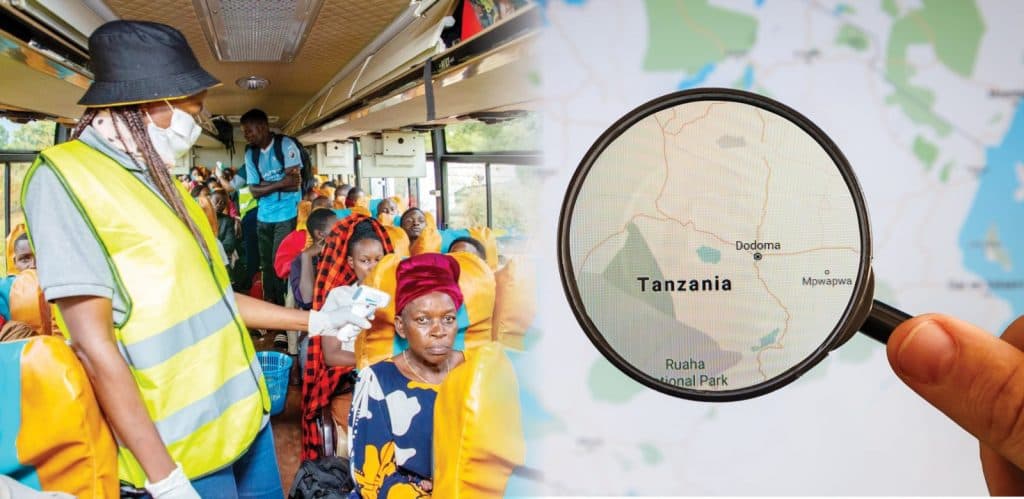
The Tanzanian Ministry of Health has triggered a nationwide high alert following a documented surge in severe respiratory infections and multi-vector epidemic diseases.
This aggressive public health mobilization is critical to preventing localized outbreaks from compounding into a national health emergency. The immediate deployment of sentinel surveillance protocols reflects an urgent necessity to protect vulnerable demographics and maintain economic stability during peak transmission seasons.
Epidemiological data gathered from regional referral hospitals and localized health centres indicates a sharp, unseasonal spike in severe influenza and resurgent COVID-19 cases. Chief Medical Officer Dr. Grace Magembe issued stringent directives from Morogoro on February 25, 2026, compelling all medical facilities to vastly accelerate the processing and submission of pathogen samples to the National Laboratory. This rapid-response surveillance is deemed the nation's primary defensive perimeter against uncontrolled viral proliferation.
Health authorities note that these respiratory pathogens, primarily transmitted through aerosolized droplets and contaminated surfaces, typically exhibit seasonal peaks between November and April. The clinical presentation among current patients includes acute high fever, severe myalgia, persistent coughing, and profound fatigue. The government has implored the citizenry to instantly reinstate foundational pandemic-era hygiene practices, including mandatory masking in congested areas, rigorous hand sanitation, and the isolation of symptomatic individuals.
A secondary, yet equally critical, crisis highlighted by the Ministry is the escalating danger of antimicrobial resistance (AMR). Dr. Magembe issued a severe warning against the widespread civilian practice of self-medicating with over-the-counter antibiotics for viral respiratory symptoms. The indiscriminate consumption of these restricted pharmacological agents is fundamentally altering the genetic makeup of local pathogens, rendering standard medical treatments highly ineffective.
Citizens experiencing acute symptoms are now legally and morally urged to seek professional clinical diagnostics before commencing any pharmaceutical regimen. This strict regulatory stance is designed to preserve the efficacy of the nation's strategic drug reserves.
Compounding the respiratory crisis is a simultaneous explosion of vector-borne and waterborne diseases, exacerbated by heavy monsoon rains. Authorities have reported concerning outbreaks of Dengue Fever, a debilitating illness transmitted by the daytime-biting Aedes mosquito. Because Dengue symptoms—such as severe retro-orbital pain and joint agony—closely mimic those of malaria, clinical misdiagnosis remains a highly lethal risk. Citizens have been mobilized to aggressively eradicate mosquito breeding grounds, particularly stagnant water pools in urban slums.
Furthermore, residual cholera threats continue to loom over the Kilimanjaro and Njombe regions, despite national containment efforts. Cross-border health officials in neighboring Kenya, particularly at the Namanga and Isebania border crossings, are monitoring the situation with extreme vigilance. An uncontrolled outbreak in Tanzania poses an immediate epidemiological threat to the entire East African transit network, demanding cohesive regional containment strategies.
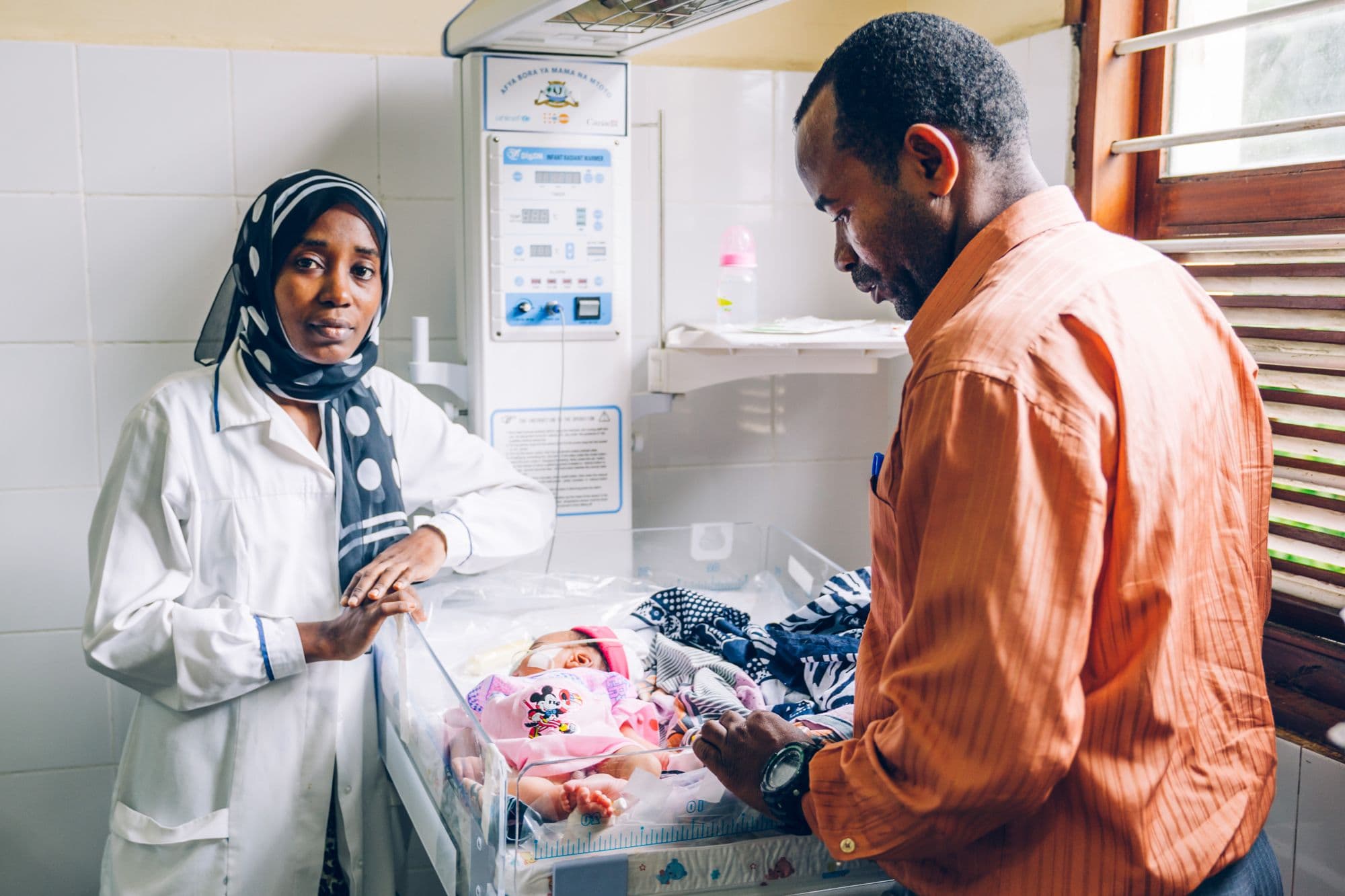
The Tanzanian government is not fighting this multifaceted biological war in isolation. Strategic partnerships with the World Health Organization (WHO) and the International Organization for Pathogens (PATH) are providing critical logistical and technical reinforcement. The state has invested heavily in empowering decentralized health centres to act as early-warning epidemiological radars.
"Our laboratory surveillance networks are the ultimate firewall; there is absolutely no alternative to hyper-vigilance in the face of these evolving biological threats," asserted Dr. Magembe.
Keep the conversation in one place—threads here stay linked to the story and in the forums.
Sign in to start a discussion
Start a conversation about this story and keep it linked here.
Other hot threads
E-sports and Gaming Community in Kenya
Active 9 months ago
The Role of Technology in Modern Agriculture (AgriTech)
Active 9 months ago
Popular Recreational Activities Across Counties
Active 9 months ago
Investing in Youth Sports Development Programs
Active 9 months ago