We're loading the full news article for you. This includes the article content, images, author information, and related articles.
One year after the Assad dynasty crumbled, former warlord Ahmed al-Sharaa commands global attention but struggles to unite a fractured nation.
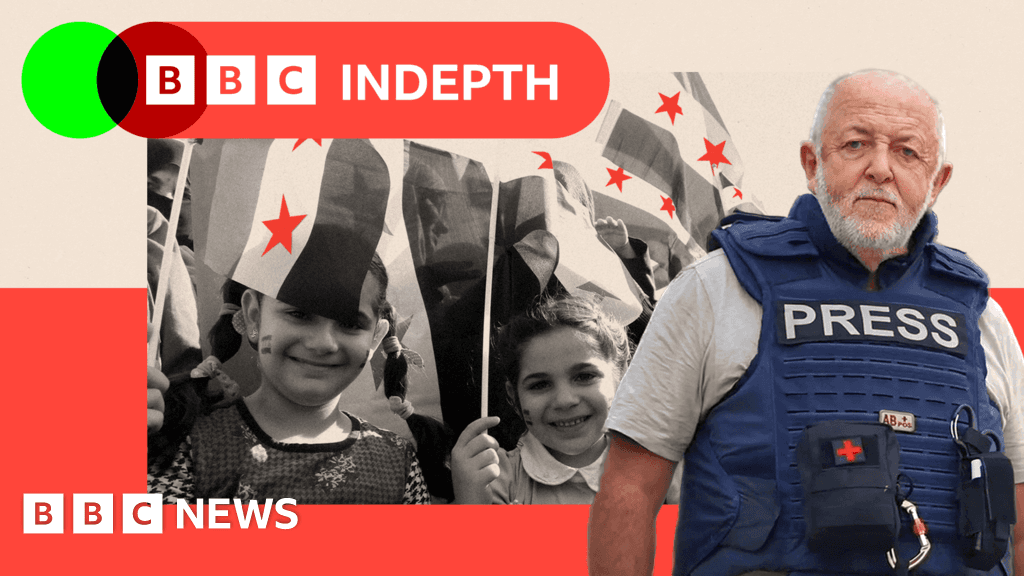
The suffocating weight of the Assad dynasty has lifted from the streets of Damascus, replaced not by immediate prosperity, but by the eerie, dusty silence of a nation starting over. A year has passed since the stunning offensive that toppled President Bashar al-Assad, sending him into gilded exile in Russia and turning the geopolitical map of the Middle East on its head.
For the first time in decades, Syrians are navigating a landscape defined by possibility rather than fear. Yet, as the dust settles, the reality of governance is proving far more complex than the mechanics of conquest. The man at the helm, Interim President Ahmed al-Sharaa, faces a monumental task: transforming a collection of bombed-out cities into a functioning state.
The trajectory of Ahmed al-Sharaa—formerly known by the nom-de-guerre Abu Mohammed al-Jolani—is a case study in political metamorphosis that observers in Nairobi and global capitals are watching closely. Once the leader of the hardline militia Hayat Tahrir al-Sham (HTS), Sharaa has effectively shed his fatigues for a suit, convincing power brokers in Saudi Arabia and the West that he represents Syria’s best hope for stability.
This diplomatic pivot was cemented in May during a high-stakes meeting brokered by the Saudi Crown Prince. Sharaa met with U.S. President Donald Trump, a diplomatic coup that would have been unthinkable just two years ago. Sources familiar with the encounter report that Trump later characterized the interim leader as a "young attractive tough guy," signaling a pragmatic shift in Washington’s foreign policy that prioritizes order over historical grievances.
While Sharaa secures handshakes abroad, the view from the ground remains grim. The physical devastation of Syria is absolute. In cities across the country, families are sheltering in the shells of skeletal buildings, their homes gutted by years of relentless aerial bombardment. The cost of rebuilding will be astronomical, likely running into hundreds of billions of dollars—a figure that dwarfs the GDP of many African nations combined.
However, the psychological shift is palpable. Interviews with residents over the last ten days reveal a population that, despite the rubble, feels a distinct lightness. The pervasive intelligence apparatus that once monitored every whisper has fractured, allowing a cautious return of public discourse.
Despite his international rehabilitation, Sharaa’s control over Syria is far from absolute. The country remains a patchwork of competing interests, mirroring the tribal and sectarian complexities often seen in post-conflict zones in the Horn of Africa. His writ faces significant challenges in key regions:
As Syria enters this second year of post-Assad rule, the question remains whether a former insurgent can stitch together a country torn apart by a decade of blood. For now, the guns are largely silent, but the peace is as fragile as the buildings standing in Damascus.
Keep the conversation in one place—threads here stay linked to the story and in the forums.
Sign in to start a discussion
Start a conversation about this story and keep it linked here.
Other hot threads
E-sports and Gaming Community in Kenya
Active 9 months ago
The Role of Technology in Modern Agriculture (AgriTech)
Active 9 months ago
Popular Recreational Activities Across Counties
Active 9 months ago
Investing in Youth Sports Development Programs
Active 9 months ago



