We're loading the full news article for you. This includes the article content, images, author information, and related articles.
New Infotrak data reveals a 'life-cycle of stress' where youth battle unemployment while the elderly are forced to pay school fees, trapping families in a cycle of dependency.
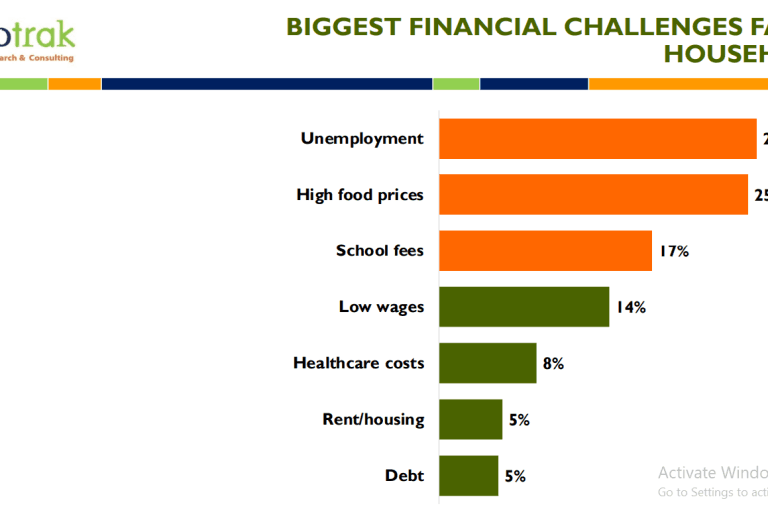
For millions of Kenyans, the end of 2025 is not marked by celebration, but by a grim calculation of survival. A definitive poll released yesterday by Infotrak Research and Consulting has quantified the national anxiety: unemployment (26%) and high food prices (25%) are now the twin crises suffocating households across the country.
The numbers tell a story of a broken economic conveyor belt. While the headline figures are stark, the demographic breakdown reveals a more insidious "life-cycle of financial stress." The burden is not shared equally; it shifts with age, trapping generations in a relay race of debt.
"This data highlights a cycle of dependency rather than wealth creation," Infotrak noted in their report. "The elderly are funding the education of dependents who, upon graduation, cannot find work to support the family."
The pain is distributed unevenly across the map, painting a picture of two Kenyas. In Nairobi, the struggle is for work, with unemployment cited as the leading burden by 29% of residents. The capital's hustle has turned into a desperate scramble for gig work.
Contrast this with the North Eastern region, where the crisis is existential. Here, 43% of households say high food prices are their biggest nightmare. In these counties, the question is not about career progression, but simply putting a meal on the table.
The Coast region faces a unique double tragedy, recording high anxiety for both unemployment (30%) and food prices (30%), the highest dual-burden in the nation.
How are Kenyans surviving? The survey paints a picture of a resilient but fraying social fabric. Nearly 39% of respondents are frantically seeking additional income streams—the "side hustle" is no longer optional; it is mandatory.
More worryingly, the traditional safety net is snapping. About 22% of families are borrowing from friends and relatives to survive, while 15% have turned to predatory lenders and credit cards. The mental toll is undeniable: half of all respondents (50%) reported increased stress and anxiety due to economic pressure.
As the country looks toward 2026, the message from the ground is clear. Government assurances of economic recovery have yet to reach the kitchen table. Until the cost of unga stabilizes and the youth find dignity in work, the average Kenyan household remains in a state of emergency.
Keep the conversation in one place—threads here stay linked to the story and in the forums.
Sign in to start a discussion
Start a conversation about this story and keep it linked here.
Other hot threads
E-sports and Gaming Community in Kenya
Active 9 months ago
The Role of Technology in Modern Agriculture (AgriTech)
Active 9 months ago
Popular Recreational Activities Across Counties
Active 9 months ago
Investing in Youth Sports Development Programs
Active 9 months ago



