We're loading the full news article for you. This includes the article content, images, author information, and related articles.
Kenyan athletes dominate Sunday road races across Europe and Asia, sweeping podiums and reinforcing the country’s status as the global powerhouse of distance running.
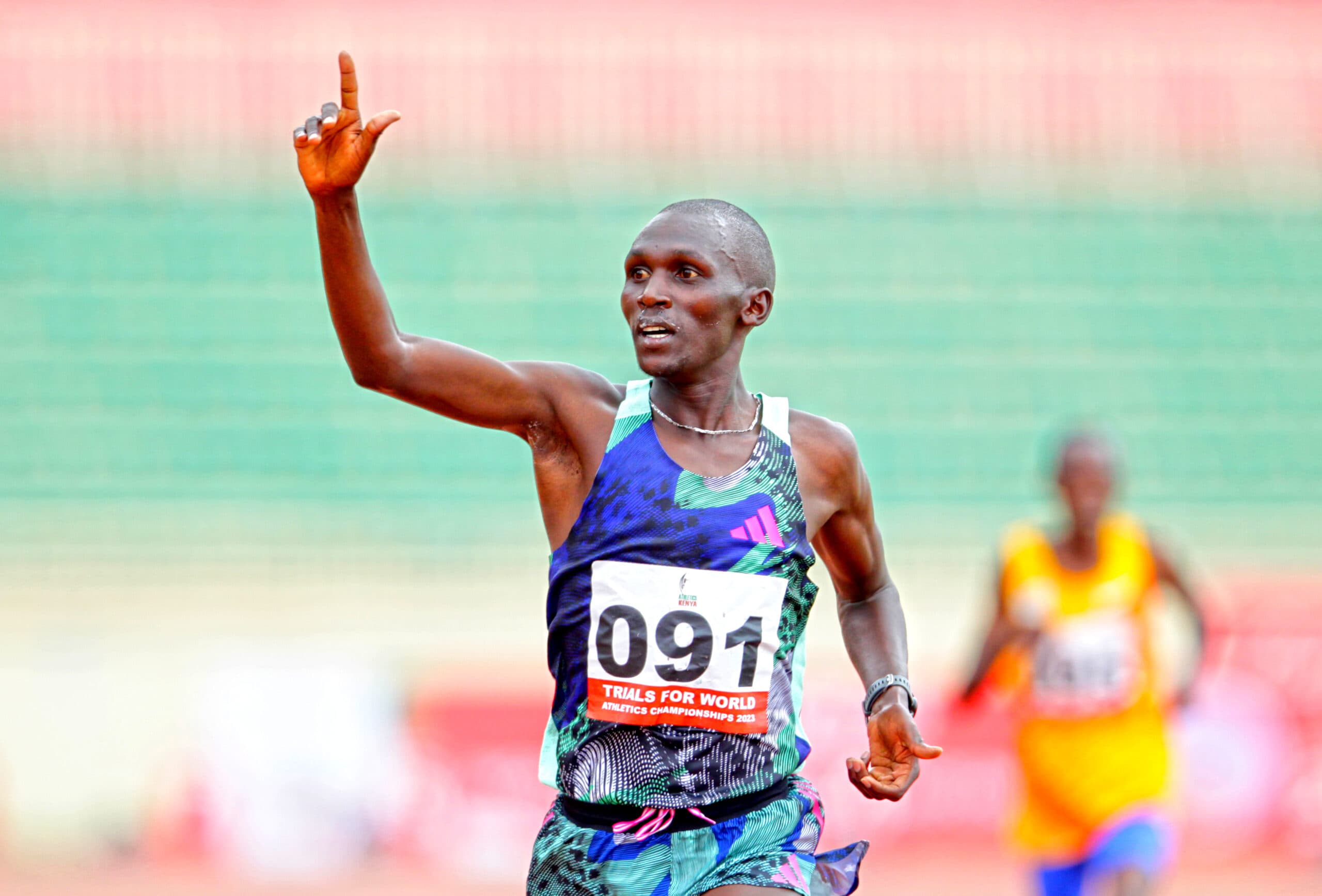
It was another “office day” for Kenya’s elite runners this Sunday, as they once again obliterated the competition across two continents, sweeping podiums and underscoring the nation’s enduring mastery of long-distance running.
From Valencia to Tokyo, Kenyan athletes stood tall on the podium—collecting gold, silver and bronze medals in elite marathons and half-marathons, reinforcing why the Kenyan anthem remains one of the most familiar in global athletics circles.
On the streets of Spain and Japan, Kenyan competitors set blistering paces and showcased depth rarely matched by any other nation this early in the 2026 road-race calendar.
In Valencia, the men’s and women’s fields saw Kenyans secure top honours, holding off intense challenges from international rivals.
In Tokyo, a mix of seasoned stars and rising talents powered to the front, highlighting the Rift Valley pipeline’s continued productivity.
These results arrive even as Kenyan athletics grapples with funding shortfalls and infrastructure gaps at home, a contrast to the individual success its runners produce abroad.
The ongoing string of victories speaks not only to individual brilliance, but to the resilience of Kenya’s talent development ecosystem—rooted in high-altitude training hubs such as Iten and Eldoret. These towns have become synonymous with world-class distance running talent.
While concerns about doping and governance have surfaced in various sporting discussions, each new race seems to produce fresh stars ready to carry the mantle forward.
“We run to eat, we run to live,” one Kenyan winner said in a post-race interview—a sentiment that captures the raw motivation fuelling the athletes who train through the thin air of the Rift Valley.
Beyond medals and prize money, these performances generate significant economic impact for communities in Kenya. Earnings from international competition often find their way back into local economies—spurring investment in:
Schools and educational programmes supported by athletes’ winnings
Hospitality businesses, including hotels and guest houses
Training facilities and local clubs that nurture rising runners
In counties such as Uasin Gishu and Elgeyo Marakwet, the success of elite runners has become a backbone for community development.
Yet amid the celebrations, a recurring challenge remains clear: Kenya must invest in sports science and world-class facilities at home. Many athletes still travel to Europe or Asia not just for competition, but to access high-quality tracks, physiotherapy and biomechanical support that are scarce domestically.
Athletics experts argue that with enhanced local infrastructure—track stadiums, recovery centres, and sports science programmes—Kenya could further consolidate its competitive edge and provide broader support for up-and-coming runners.
As the 2026 season progresses, the world continues to watch Kenyan runners set the pace—in times, titles and inspiration.
The message from the Rift Valley is clear: catch us if you can.
Keep the conversation in one place—threads here stay linked to the story and in the forums.
Sign in to start a discussion
Start a conversation about this story and keep it linked here.
Other hot threads
E-sports and Gaming Community in Kenya
Active 9 months ago
The Role of Technology in Modern Agriculture (AgriTech)
Active 9 months ago
Popular Recreational Activities Across Counties
Active 9 months ago
Investing in Youth Sports Development Programs
Active 9 months ago