We're loading the full news article for you. This includes the article content, images, author information, and related articles.
Tanzania’s President strides back onto the continental stage, championing climate action while questions about her landslide victory linger.
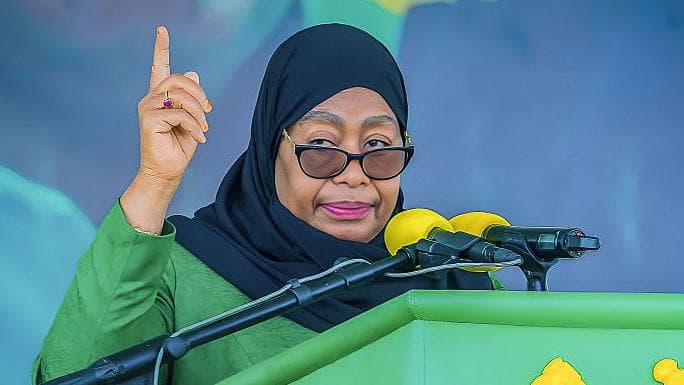
Fresh from a contentious landslide victory, Tanzanian President Samia Suluhu Hassan has stepped back onto the international stage, projecting stability abroad while questions about democracy simmer at home.
President Samia Suluhu Hassan has arrived in Addis Ababa for the African Union Summit, marking her first major international appearance since securing a second term in office. Her re-election, confirmed last week with a staggering 97.6% of the vote, has been hailed by her supporters as a mandate for continuity but decried by critics as a democratic charade. As she mingles with continental peers, the contrast between her polished diplomatic persona and the turbulent domestic political landscape could not be starker.
The sheer scale of Suluhu’s victory has raised eyebrows across the globe. Securing nearly 98% of the ballot in a multi-party democracy is a statistical anomaly that often invites scrutiny. Opposition leaders, many of whom were either barred from running or found themselves entangled in legal battles, have rejected the results as a fabrication. The election period was marred by reports of low voter turnout, internet slowdowns, and a heavy security presence in opposition strongholds.
Despite the domestic outcry, Suluhu’s administration is keen to move the narrative forward. In Addis Ababa, she is positioning herself as a champion of "green industrialization," pledging Tanzania’s full support for continental climate action. Her agenda focuses on value addition in key sectors, aiming to attract investment that can drive Tanzania’s economy toward middle-income status. "We must build a sustainable future for Africa," she told delegates, effectively pivoting the conversation away from ballot boxes to carbon credits.
President Suluhu, who initially took power in 2021 following the death of John Magufuli, was once seen as a reformer. She lifted bans on media and allowed political rallies, sparking hope for a democratic opening. However, this recent election suggests a return to the heavy-handed tactics of the past. By securing such a crushing victory, she has consolidated power but perhaps at the cost of legitimacy among the urban youth and intelligensia.
As she navigates the corridors of the AU headquarters, Suluhu is walking a tightrope. She must maintain the confidence of foreign investors and donors while managing a restless population at home that feels disenfranchised by the electoral process. For now, the "Iron Lady" of Tanzania remains firmly in charge, her eyes set on continental leadership, even as the dust from a contested election refuses to settle.
Keep the conversation in one place—threads here stay linked to the story and in the forums.
Sign in to start a discussion
Start a conversation about this story and keep it linked here.
Other hot threads
E-sports and Gaming Community in Kenya
Active 9 months ago
The Role of Technology in Modern Agriculture (AgriTech)
Active 9 months ago
Popular Recreational Activities Across Counties
Active 9 months ago
Investing in Youth Sports Development Programs
Active 9 months ago
Key figures and persons of interest featured in this article