We're loading the full news article for you. This includes the article content, images, author information, and related articles.
A shocking medical case reveals how a daily habit—common among Nairobi’s workforce—could be a ticking time bomb for heart health.

It began as a routine habit to power through the day, but for one otherwise fit 50-year-old man, a daily regimen of energy drinks ended in a life-altering medical emergency. The harrowing ordeal, detailed recently by doctors in the United Kingdom, has reignited a global debate on the safety of high-caffeine beverages—a debate that resonates deeply in Kenya, where these stimulants are a staple for everyone from exhausted matatu drivers to students burning the midnight oil.
The case, published in the prestigious BMJ Case Reports, serves as a grim warning: the beverages we consume to wake up might be putting our hearts to sleep permanently.
The patient, whose identity remains protected, presented with symptoms that would alarm any medical professional. Despite being fit and healthy, he had suffered a stroke that left him with permanent numbness in his hands and feet. Upon admission to the hospital, his vital signs painted a terrifying picture.
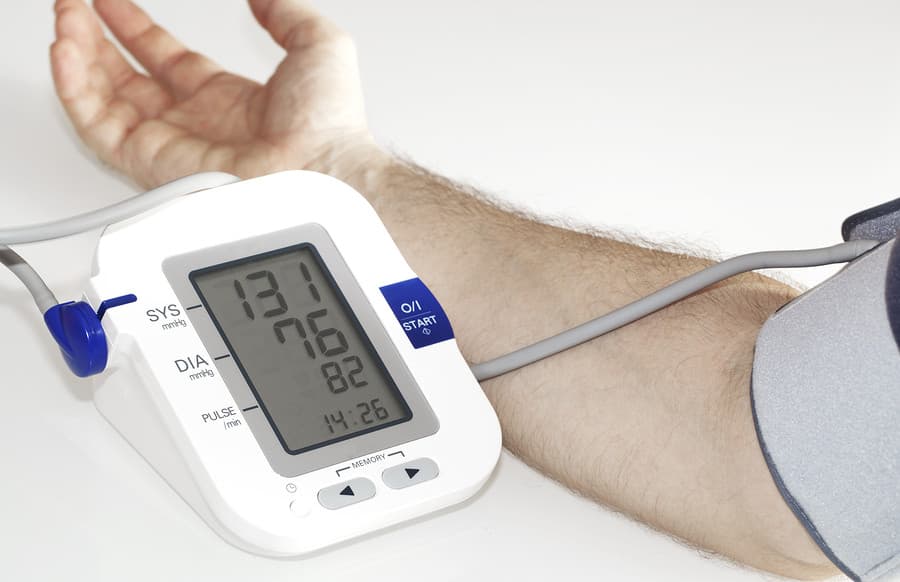
Doctors recorded his blood pressure at a staggering 254/150 mmHg. To put this into perspective, a healthy reading is typically around 120/80 mmHg. The patient was essentially walking around with a cardiovascular system under siege.
"This is not just high; it is a hypertensive crisis," the medical team noted. Even after administering medication to lower his pressure, the numbers refused to stabilize once he returned home. It was only after a rigorous investigation into his lifestyle that the culprit emerged.
While this specific case occurred in Nottingham, England, the implications for Kenya are severe. In Nairobi, energy drinks are ubiquitous, often sold for as little as KES 100. They are marketed aggressively as essential fuel for the hustle, promising alertness and vitality.
However, the contents of these cans are a potent cocktail. Most contain over 150mg of caffeine per litre, paired with excessive glucose-based sugars and taurine. For a boda boda rider taking three or four cans to survive a double shift, the cumulative effect mirrors the dangerous levels seen in the British patient.
"The combination of high caffeine and sugar causes a rapid spike in blood pressure," explain cardiovascular experts. "When this becomes a chronic habit, the blood vessels lose their elasticity, significantly raising the risk of heart disease and stroke."
The Nottingham medical team is not viewing this as an isolated incident. They have issued a strong call for tighter regulation on the sales and advertising of energy drinks, arguing that current warnings are insufficient given the potential lethality of the products.
The report emphasizes that while occasional consumption may be benign for most, the addictive nature of caffeine can lead users down a dangerous path of escalation. As the patient in this case discovered, the damage can be done long before the first symptom appears.
For Kenyans, the takeaway is clear: that extra boost of energy comes with a hidden, and potentially devastating, price tag.
Keep the conversation in one place—threads here stay linked to the story and in the forums.
Sign in to start a discussion
Start a conversation about this story and keep it linked here.
Other hot threads
E-sports and Gaming Community in Kenya
Active 9 months ago
The Role of Technology in Modern Agriculture (AgriTech)
Active 9 months ago
Popular Recreational Activities Across Counties
Active 9 months ago
Investing in Youth Sports Development Programs
Active 9 months ago