We're loading the full news article for you. This includes the article content, images, author information, and related articles.
A regional civil society coalition releases a damning report on Uganda’s election, citing military intimidation and ballot stuffing, and urges the EAC to withhold endorsement of the results.
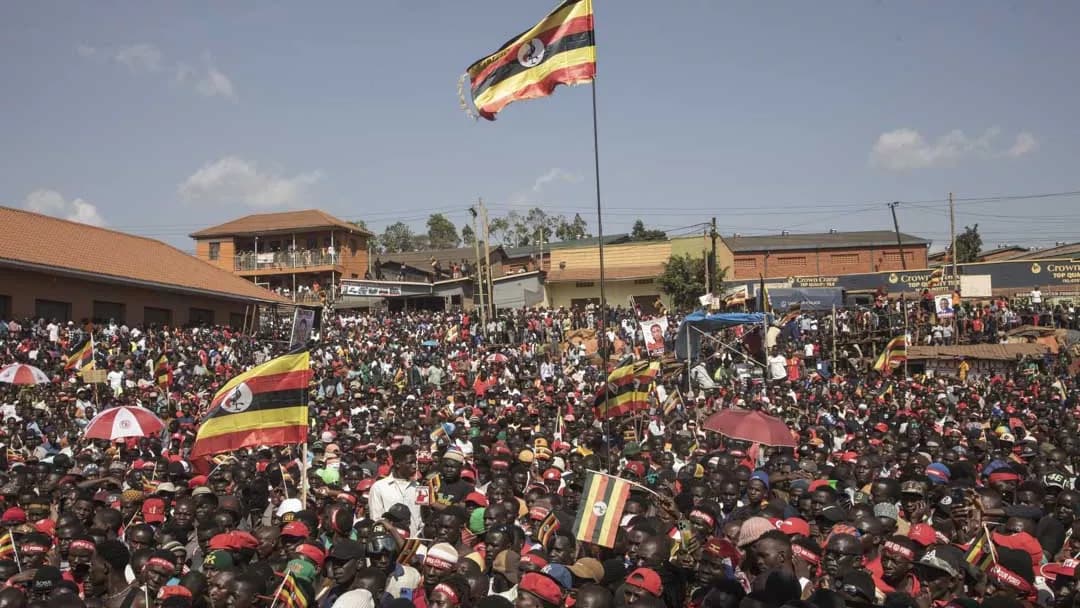
The credibility of Uganda’s presidential election is facing renewed scrutiny after a coalition of East African civil society organizations released a scathing preliminary assessment alleging widespread voter suppression, militarization of the process, and the arrest of more than 1,000 opposition polling agents.
The coalition, Democracy Watch East Africa, says it was forced to coordinate its election monitoring from Nairobi following a nationwide internet shutdown in Uganda that has effectively sealed off independent reporting and opposition tallying efforts. Drawing on reports from field observers, the group argues that what unfolded on polling day bore the hallmarks of a controlled exercise rather than a competitive democratic vote.
“This is not an election; it is a selection process managed by the gun,” said coalition spokesperson Ndungu Wainaina, in one of the strongest public rebukes yet from regional civil society.
In its report, the coalition highlights several “red flags” that, if verified, would strike at the core of electoral integrity.
Among the most serious claims are allegations of pre-ticked ballots and ballot stuffing in parts of northern and western Uganda, including Gulu and Mbarara. Observers reported signs that some ballot boxes may have been compromised before polling stations officially opened, undermining the principle of a secret and fair vote.
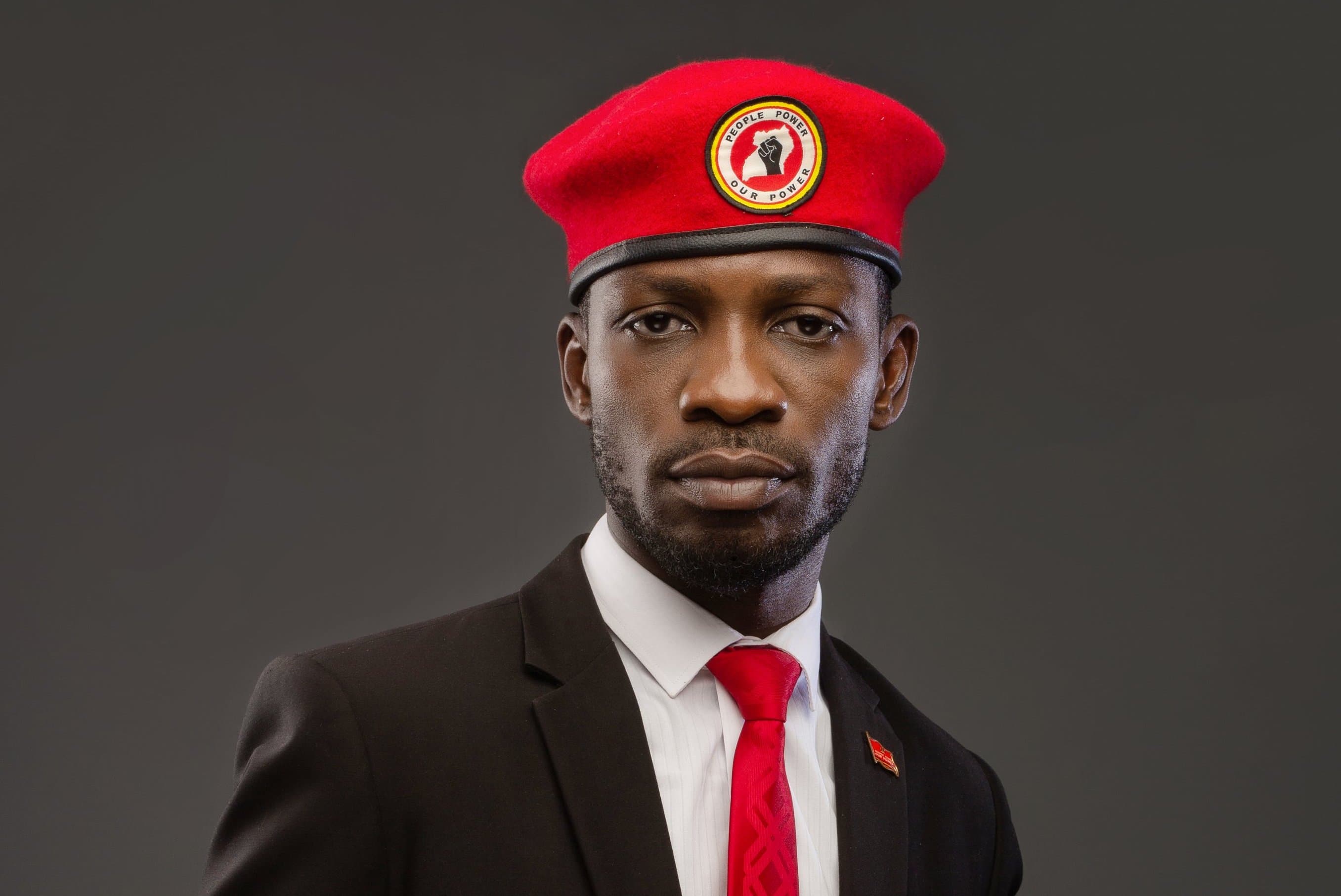
The report also details the systematic exclusion of polling agents from the National Unity Platform (NUP), the opposition party led by Bobi Wine. According to the coalition, NUP agents were denied access to polling stations in key districts, leaving vote counting and verification entirely under the control of the Electoral Commission and officials aligned with the ruling National Resistance Movement (NRM).
Compounding these concerns is what the coalition describes as a “digital siege.” The ongoing internet shutdown has prevented opposition parties and independent observers from transmitting results, coordinating legal responses, or conducting parallel vote tallies. In the absence of alternative information flows, the state broadcaster has emerged as the dominant — and in many cases sole — source of official election updates.
The coalition has formally called on the East African Community (EAC) and the African Union (AU) to withhold recognition of the election results pending an independent and credible audit. However, the appeal faces long odds.
Historically, regional blocs have been reluctant to challenge sitting governments, often prioritizing stability and diplomatic cohesion over confrontational accountability. Critics argue that this pattern of incumbent solidarity has steadily eroded democratic norms across the region, allowing flawed elections to be normalized through quiet endorsement.
For Uganda’s opposition and civil society, the stakes extend beyond a single electoral cycle. At issue is whether elections remain a meaningful mechanism for political change, or merely a ritual that confers legitimacy on outcomes determined elsewhere.
As official results continue to emerge under conditions of restricted communication and heavy security presence, questions about transparency and consent are unlikely to fade. Whether regional and continental bodies choose to interrogate those questions — or look away — may shape not only Uganda’s political future, but the democratic trajectory of East Africa as a whole.
Keep the conversation in one place—threads here stay linked to the story and in the forums.
Sign in to start a discussion
Start a conversation about this story and keep it linked here.
Other hot threads
E-sports and Gaming Community in Kenya
Active 9 months ago
The Role of Technology in Modern Agriculture (AgriTech)
Active 9 months ago
Popular Recreational Activities Across Counties
Active 9 months ago
Investing in Youth Sports Development Programs
Active 9 months ago
Key figures and persons of interest featured in this article