We're loading the full news article for you. This includes the article content, images, author information, and related articles.
From broken $21 promises to KES 540,000 tickets—why the North American dream is fast becoming a financial nightmare for the 'People's Game.'
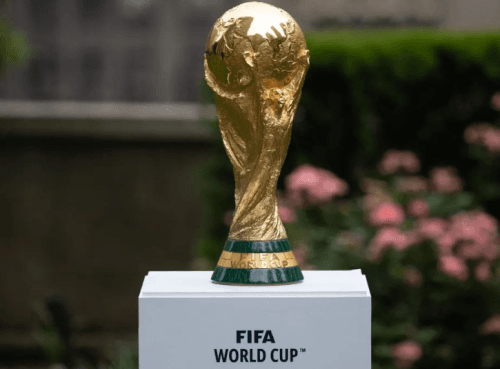
The dream of watching the Harambee Stars—or any global giant—play on North American soil in 2026 has just hit a wall of cold, hard cash. As the countdown to the expanded 48-team tournament ticks under the six-month mark, the excitement of the draw has been instantly dampened by a wave of outrage. The reason? A newly released ticket pricing structure that fan groups are calling a "monumental betrayal" of the sport's working-class roots.
For decades, the World Cup has been billed as a global festival, accessible to all. But the figures emerging from FIFA's latest sales phase suggest a pivot toward an exclusive, corporate-heavy event where passion is secondary to the depth of one's pockets. For the Kenyan fan, already battling a volatile exchange rate, the costs are not just high—they are astronomical.
When the United States, Canada, and Mexico launched their joint bid to host the tournament seven years ago, they dazzled the world with promises of accessibility, floating ticket prices as low as $21 (approx. KES 2,700). That promise now feels like a distant memory.
According to data released this week by the Football Supporters Europe (FSE) and confirmed by various national associations, the reality is starkly different. The cheapest tickets for group stage matches in the "Follow Your Team" allocation are starting around $180 (approx. KES 23,300). To put that in perspective, a single 90-minute group game now costs more than the monthly minimum wage in Nairobi.
But the numbers get truly eye-watering as the tournament progresses:
"This is extortionate," the FSE stated in a blistering press release on Thursday. "It ignores the contribution of supporters to the spectacle it is."
For a Kenyan supporter plotting a trip to the Americas, the ticket is merely the entry fee to a much larger financial labyrinth. Analysts estimate that a fan wishing to follow their team from the opening match through to the final would need to shell out over $7,000 (approx. KES 906,000) on tickets alone.
That figure—nearly a million shillings—does not include the exorbitant costs of trans-continental flights, accommodation in some of the world's most expensive cities, or the visa fees that remain a hurdle for many African passport holders. In local terms, the cost of a full World Cup "experience" could now purchase a prime plot of land in Kamulu or a decent used vehicle.
Furthermore, FIFA has introduced a "dynamic pricing" model for certain sales phases—a system similar to Uber's surge pricing. While the governing body claims this won't apply to the main ballot, the mere existence of fluctuating prices based on demand sets a worrying precedent for the future of sports ticketing.
The backlash isn't just about the numbers; it's about the soul of the game. Critics argue that by pricing out the "legacy fans"—the ones who sing for 90 minutes regardless of the score—FIFA risks sanitizing the stadium atmosphere. The fear is that stands will be filled not by die-hard supporters, but by corporate clients and casual tourists who can afford the premium.
"You pay more to watch a match than to feed your family this month," one fan noted on a popular forum, capturing the mood of disenfranchisement spreading from London to Lagos to Nairobi.
As we approach the June kickoff, the question remains: Will empty seats or a sterile atmosphere force a rethink? For now, the 2026 World Cup is shaping up to be the biggest sporting event in history—but only for those who can pay the ransom.
Keep the conversation in one place—threads here stay linked to the story and in the forums.
Sign in to start a discussion
Start a conversation about this story and keep it linked here.
Other hot threads
E-sports and Gaming Community in Kenya
Active 9 months ago
The Role of Technology in Modern Agriculture (AgriTech)
Active 9 months ago
Popular Recreational Activities Across Counties
Active 9 months ago
Investing in Youth Sports Development Programs
Active 9 months ago