We're loading the full news article for you. This includes the article content, images, author information, and related articles.
In 2024, about 74% of new HIV-Aids infections were among the youth. Now, a shortage of condoms is forcing a dangerous prioritization of pregnancy prevention over disease protection.
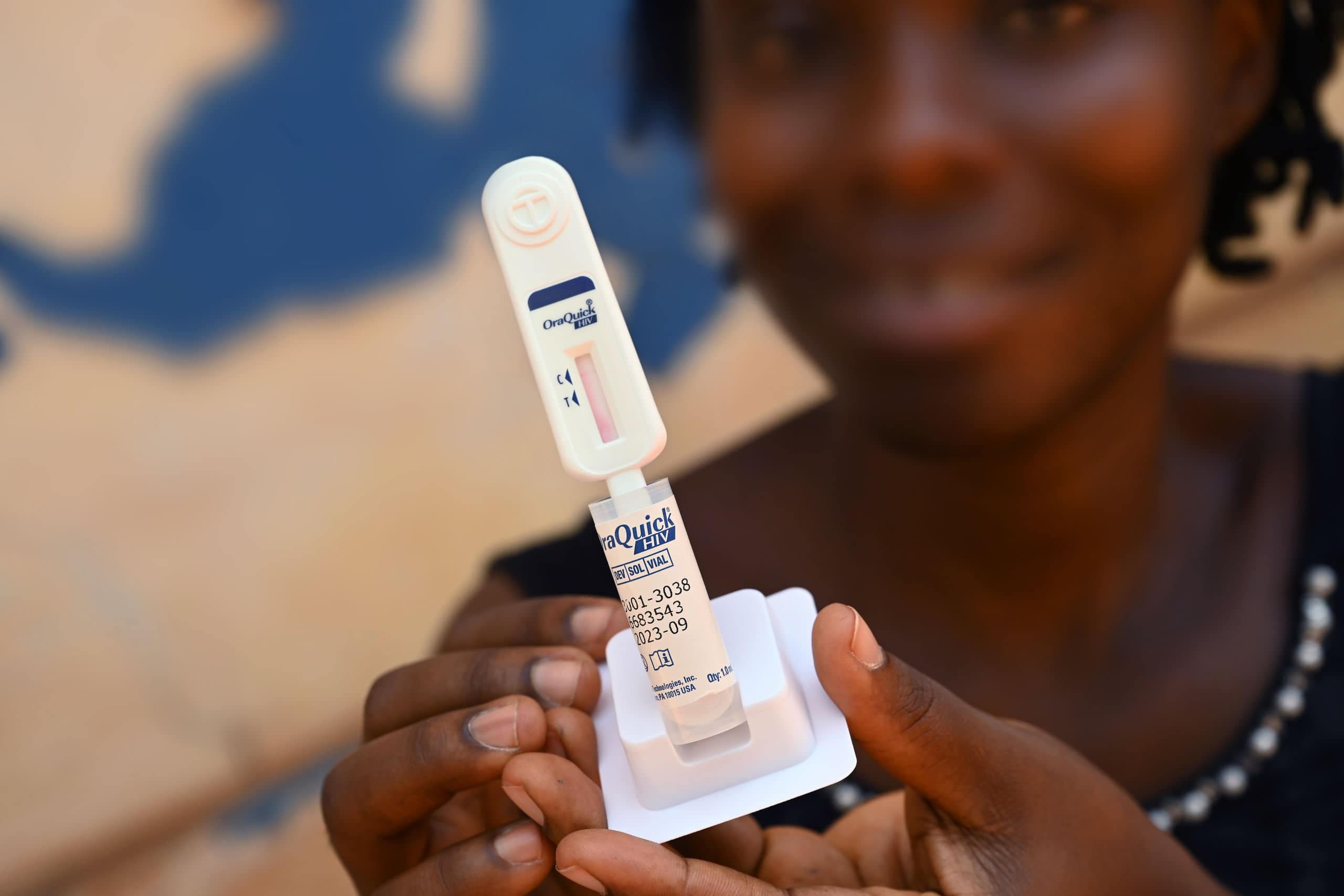
A quiet crisis is unfolding in the pharmacies and clinics of Kenya, one that threatens to undo decades of progress in public health. As a biting shortage of condoms grips the nation, a startling sentiment is emerging among the youth: the fear of an unplanned pregnancy now far outweighs the fear of HIV or other Sexually Transmitted Infections (STIs).
This shift in priority is not merely anecdotal; it is a survival mechanism born of economic desperation. In a series of candid interviews across Nairobi’s universities and social hubs, young Kenyans painted a grim picture. With the cost of raising a child skyrocketing and youth unemployment remaining stubbornly high, a baby is seen as a "financial death sentence." Conversely, HIV is increasingly viewed—dangerously so—as a manageable chronic condition, thanks to the availability of ARVs.
The "So What?" here is catastrophic. This change in attitude, coupled with the unavailability of barrier protection, is creating a perfect storm for a resurgence in infections. Data from 2024 already indicates a warning flare: 74% of new HIV infections were recorded among the youth. If condoms are absent, and the fear of the virus is gone, those numbers will only climb.
The shortage is acute. Government dispensaries, which used to dole out free government-issue condoms by the box, are running dry. Commercial brands, meanwhile, have seen price hikes due to the weakening shilling, putting them out of reach for the average campus student. A pack of three premium condoms can now cost upwards of KES 300—the price of two meals.
"I walk into the clinic and the dispenser is empty," says Brian, a 22-year-old student at UoN. "So what do I do? I buy the Morning After pill for my girlfriend because that prevents the baby. We don't talk about the diseases. We just hope for the best."
Brian’s testimony highlights a dangerous trend: the substitution of condoms with emergency contraception (EC). While EC prevents pregnancy, it offers zero protection against syphilis, gonorrhea, or HIV. The "P2" pill has become a staple, a weekly ritual for many couples who cannot find or afford condoms. This reliance on hormonal quick-fixes is a ticking time bomb for reproductive health.
Health experts are sounding the alarm. "We are seeing a generation that is sexually active but biologically vulnerable," warns Dr. Amina Juma, a reproductive health specialist. "The fear of pregnancy is rational—it is immediate and visible. The fear of an STI is abstract until it is too late. We need to restock the shelves, but we also need to reboot the conversation."
The government has promised to expedite the clearance of condom consignments currently stuck at the Port of Mombasa. But logistics are only half the battle. There is an urgent need for a new education campaign that re-sensitizes the youth to the dual risks of sex. The narrative that "HIV is manageable" must be challenged, not to stigmatize, but to remind the youth that prevention is still the only true cure.
Until the dispensers are full again, Kenya’s youth are playing a high-stakes game of roulette. And right now, the house is winning.
"It’s simple math," Brian concludes, shrugging. "A baby costs millions. A pill costs hundreds. The virus? That’s a problem for another day."
Keep the conversation in one place—threads here stay linked to the story and in the forums.
Sign in to start a discussion
Start a conversation about this story and keep it linked here.
Other hot threads
E-sports and Gaming Community in Kenya
Active 9 months ago
The Role of Technology in Modern Agriculture (AgriTech)
Active 9 months ago
Popular Recreational Activities Across Counties
Active 9 months ago
Investing in Youth Sports Development Programs
Active 9 months ago