We're loading the full news article for you. This includes the article content, images, author information, and related articles.
The continent’s first geothermal-powered industrial city goes live in Olkaria, promising manufacturers 40% cheaper power and a shield against global carbon taxes.
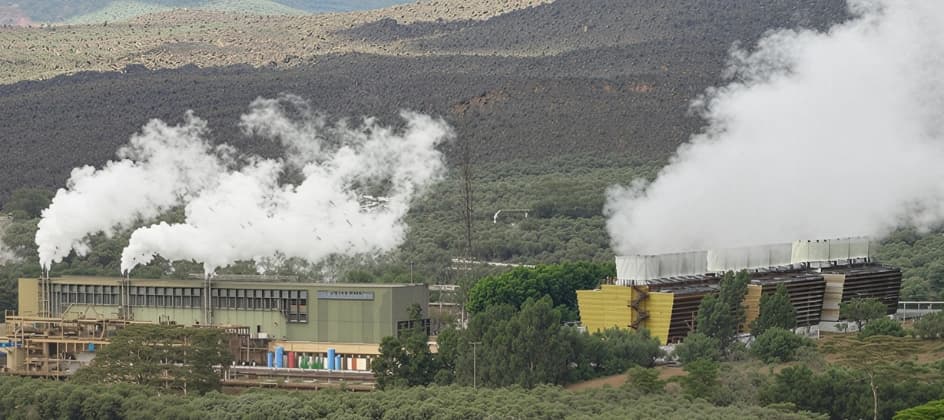
OLKARIA, NAIVASHA — For decades, the white plumes of steam rising from the Rift Valley floor were a scenic backdrop for tourists and a technical marvel for engineers. As of this morning, they are officially the engine room of Africa’s industrial future.
In a landmark ceremony today, the Kenya Electricity Generating Company (KenGen) unveiled the Green Energy Park, a sprawling industrial city designed to run exclusively on geothermal steam and electricity. The launch marks a decisive shift in Kenya’s economic strategy: moving from simply exporting raw power to the national grid to selling "energy-rich real estate" directly to manufacturers.
“We are not just selling electricity anymore; we are exporting sustainability,” KenGen Managing Director Peter Njenga noted during the ribbon-cutting at the 342-hectare site. “For a factory owner here, the cost of power is no longer a headache—it is a competitive advantage.”
The park’s value proposition is simple but radical. By locating directly at the source, tenants bypass the transmission losses and distribution levies that bloat national power bills. Manufacturers at the park will access electricity at approximately $0.07 (KES 9.10) per kilowatt-hour, significantly lower than the standard industrial rates that often hover above $0.12 (KES 15.60).
For energy-hungry industries—such as steel, fertilizer, and textiles—this price difference is the line between profit and loss. But the park offers a second, rarer commodity: direct steam. Companies can tap into the geothermal brine for heating processes, slashing the need for expensive heavy fuel oil.
The timing of the launch is calculated. With the European Union’s Carbon Border Adjustment Mechanism (CBAM) now tightening the noose on high-carbon imports, Kenyan manufacturers face a choice: go green or pay up. Goods produced at Olkaria will carry a "zero-carbon" certificate, effectively bypassing these new tariffs.
Trade analysts warn that without such zones, Kenyan exports like flowers and apparel could lose their edge. “This is an insurance policy for our export economy,” explained an investment analyst at the event. “If you are making steel or processing textiles here, you are future-proofing your product for the Western market.”
For the residents of Nakuru County, the park promises more than just high-voltage talk. The project is expected to generate thousands of direct jobs as factories break ground. The shift from a capital-intensive power plant to a labor-intensive industrial zone means welders, engineers, and logistics experts are in high demand.
However, the transition has not been without local friction. Community leaders have previously raised concerns about land use and the allocation of jobs. KenGen officials emphasized today that a strict quota system is in place to ensure the local community benefits first from the employment wave.
As the first heavy machinery roared to life this afternoon, the message from Olkaria was clear: Kenya is done waiting for industrialization to arrive. It is building it, one steam vent at a time.
Keep the conversation in one place—threads here stay linked to the story and in the forums.
Sign in to start a discussion
Start a conversation about this story and keep it linked here.
Other hot threads
E-sports and Gaming Community in Kenya
Active 9 months ago
The Role of Technology in Modern Agriculture (AgriTech)
Active 9 months ago
Popular Recreational Activities Across Counties
Active 9 months ago
Investing in Youth Sports Development Programs
Active 9 months ago